


Health
Diagnosis of dementia slow for people with learning disabilities in Wales


GETTING a diagnosis of dementia can take longer for people with learning disabilities in Wales
People living with a learning disability are more likely to get dementia at a younger age, but getting a diagnosis of dementia can take longer, say Alzheimer’s Society Cymru.
Around one in five people with learning disabilities who are over the age of 65 will develop dementia. While those with Down’s syndrome have an even higher risk, with about two in three people over the age of 60 developing dementia, usually Alzheimer’s disease.
This World Down’s Syndrome Day (March 21) Alzheimer’s Society Cymru is sharing useful tips to help recognise signs and symptoms.
Angelo Makri, Senior Knowledge Officer for Wellbeing at Alzheimer’s Society said: “You are likely to know the person that you care for best, which makes you well-placed to recognise subtle changes. This could include acting out of character or taking more time to carry out certain tasks. Any changes that you, or the person’s other carers, family or friends notice, can play an important part in helping to spot the early signs of dementia.
“If you notice ongoing changes rather than a one-off, tell the GP or learning disability team as soon as possible. They can arrange for the person to have an assessment designed to identify dementia in people with learning disabilities.”

Alzheimer’s Society Cymru have produced a free symptoms checklist, endorsed by the Royal College of GPs, to help people talk to their health professional to get a vital diagnosis. Symptoms include:
- Changes in behaviour and personality.
- Confusion or memory problems, including changes in mood.
- Memory loss, asking the same question over and over or repeating phrases.
- Epilepsy or fits; if a person with Down’s syndrome in later life begins to have fits, or experiences them more than usual, this could be a sign of dementia.
Angelo Makri said: “A timely and accurate diagnosis is crucial to access treatment and support that can help people manage dementia symptoms and avoid ending up in crisis.
“If you or your loved one are worried about experiencing dementia symptoms, you should visit your GP. They will try to assess what’s likely to be causing the problem.”
Alzheimer’s Society Cymru is here for everyone affected by dementia. They provide accessible publications designed for people with learning disabilities which are available in Easy Read. Call their Dementia Support Line on 0333 150 3456, if you speak Welsh call the Welsh-speaking support line on 03300 947 400, or visit alzheimers.org.uk



RESIDENTS across Pembrokeshire can now back the campaign to protect services at Withybush Hospital by signing a paper petition available in council offices across the county.
The initiative has been introduced to ensure those who are digitally excluded – including older residents and people without reliable internet access – are still able to have their say.
The petition, originally launched online by local resident Ajay Owens, has already attracted more than 11,000 signatures. Campaigners say the introduction of paper copies will help ensure the final total reflects the views of the whole community.

SUPPORT GATHERS PACE
Local Senedd Members Paul Davies and Samuel Kurtz, who are supporting the campaign, said it was vital that every voice is heard.
The Preseli Pembrokeshire MS, PAUL DAVIES said: “We have taken significant steps to highlight the importance of protecting services at Withybush Hospital, including gathering evidence from staff, patients and residents, and raising concerns with health leaders. It is vital that people continue to share their experiences of why local services matter.”
SAMUEL KURTZ MS added: “The community has come together before to oppose cuts to Withybush, and once again the community are showing they will not accept the closure of services at Withybush lying down. We will stand beside them every step of the way until this decision is overturned.”
Both Members have formally requested that the petition be debated in the Senedd before its dissolution, in a bid to ensure Pembrokeshire residents’ concerns are considered at the highest level.
RURAL CARE CONCERNS
Campaigners argue that maintaining services at Withybush Hospital is critical for patient safety, timely emergency care, and supporting rural communities, where travel times to alternative hospitals can be significantly longer.
Residents wishing to sign the petition can do so at their local town or community council office during normal opening hours.

Ajay Owens said: “I am incredibly heartened by the support from our local town halls and businesses. This petition is about giving every resident in Pembrokeshire a voice, and having these physical locations available ensures that everyone, regardless of their access to the internet, can stand up for what matters to our community and share their concerns.”
WHERE TO SIGN
Paper copies of the petition are currently available at locations including Fishguard and Goodwick Town Hall, Haverfordwest Town Council at the Old Wool Market, Milford Haven Cemetery Lodge, Narberth Community Library, Newport Town Council, Pembroke Town Hall, Pembroke Dock Town Council, and across Saundersfoot via local distribution.
Opening times vary depending on location.


Clear framework aims to deliver faster access, better support, and improved outcomes
PEOPLE across Wales are set to benefit from clearer and more consistent mental health care, as new national standards outlining what good services should look like are introduced.
Two new quality statements, published this week (Mar 24) set out the outcomes and expectations for NHS and social care services. They aim to ensure patients can access timely, compassionate, and effective support — including same-day, open access care and improved services for those who have self-harmed.
The measures form part of the Welsh Government’s wider Mental Health and Wellbeing Strategy and Suicide Prevention and Self-Harm Strategy. Ministers say they are designed to move Wales towards becoming the first nation to offer same-day, open access mental health support nationwide.
Around 20 pilot schemes are already underway across Wales, offering support without the need for a GP referral. These “demonstrator sites” are intended to provide early help and reduce the number of people reaching crisis point.
One such scheme includes a university liaison service in Cardiff, supporting students across Cardiff University, Cardiff Metropolitan University, the University of South Wales, and the Royal Welsh College of Music and Drama.
Since its launch in 2022, more than 240,000 people have contacted the NHS 111 “press 2” service for urgent mental health support.
The Mental Health Quality Statement sets out nine key principles aimed at reshaping services. These include designing care with input from people with lived experience, embedding trauma-informed approaches, and ensuring services are flexible, collaborative, and centred around individual needs.
A separate Self-harm Quality Statement outlines six pillars of care: immediate treatment, trauma-informed support, continuity of care, safety planning, holistic signposting, and skilled responders. It stresses that anyone who self-harms must receive compassionate, person-centred care, regardless of intent.
The standards have been developed in partnership with NHS Wales, third sector organisations, and individuals with lived experience.
The Cabinet Secretary for Health and Social Care, Jeremy Miles said: “These standards will ensure people have access to consistent, compassionate and effective mental health support wherever they are in Wales.
“We are moving towards a future of open access services, so people can get help earlier and avoid reaching crisis point. These standards will play a key role in improving mental healthcare across Wales.”
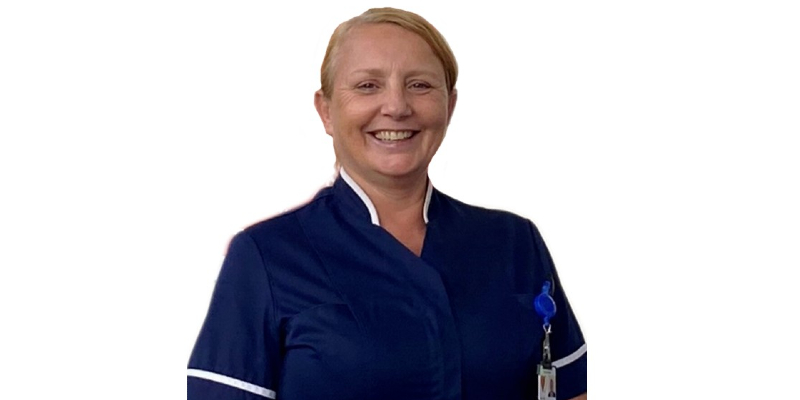
NICOLA WILLIAMS will take up the role in April, bringing more than three decades of experience in nursing and senior leadership.
The Royal College of Nursing (RCN) has announced the appointment of Nicola Williams as its new Executive Director for Wales.
She joins the organisation from Velindre University NHS Trust, where she currently serves as Executive Director for Nursing, Allied Health Professionals and Health Care Scientists. With 38 years of experience in nursing and more than six years at executive board level, she is widely recognised across NHS Wales for her work in improving patient outcomes.
A highly experienced strategic leader, Williams has worked across a wide range of clinical and organisational settings. She has led major transformation programmes, strengthened national clinical leadership networks and championed innovation and evidence-based improvements in care. Her work has contributed to changes adopted across Wales and has been recognised with national awards.
Speaking about her appointment, Nicola Williams said: “I feel privileged to be appointed as Executive Director of RCN Wales. I’m a proud nurse, passionate about patient safety and improving care standards.
“Delivering the best care is only possible when nursing staff are supported to work in safe, inclusive environments. I will stand alongside members and their patients.
“Nursing staff are the backbone of health and care. I am determined to support our members across Wales, wherever they work, to meet the challenges ahead and shape the future of our profession.
“I look forward to meeting members across Wales and ensuring our work is informed by their experiences and expertise.”
In her new role, Williams will lead the RCN’s work in Wales and provide strategic leadership across key priority areas spanning the UK.
She succeeds Helen Whyley, who has held the position since February 2019 and will move into a new role as Director of Service Innovation at the RCN.



Business35 minutes ago
Could Primark be coming to Haverfordwest? Major retailer in talks for former Wilko site
Council confirms advanced discussions as speculation grows over high street boost HAVERFORDWEST could soon see a major high street revival,...


Business1 hour ago
Rail investment ‘could unlock 40,000 jobs and £11bn for Wales’ says new report
RAILWAY stations across Wales could help unlock around 40,000 jobs and more than £11 billion for the economy by 2036,...


Local Government2 hours ago
Milford Haven set for £200m investment with schools, leisure centre and rail upgrade
Council outlines major plans for town with backing from Welsh Government MILFORD HAVEN is set for a major transformation with...


Community20 hours ago
Broad Haven volunteers secure ‘national asset’ status for nature reserve
A SMALL stretch of woodland and former opencast coal mine has been transformed into a nationally recognised biodiversity site, in...


Entertainment2 days ago
Tenby steams up in spectacular style as crowds flock to festival
Colourful parade, towering creations and Victorian flair bring town centre to life TENBY was transformed into a vibrant Victorian fantasy...


Crime3 days ago
Publican jailed for six years for supplying cocaine and cannabis
Milford Haven man sentenced at Swansea Crown Court following drug dealing operation A MILFORD HAVEN publican has been jailed for...


Local Government3 days ago
Poverty summit highlights support efforts across Pembrokeshire
A SUMMIT bringing together key organisations from across Pembrokeshire has highlighted both the scale of local poverty and the work...


Education4 days ago
Milford Haven school plans unveiled but funding not yet secured
PLANS for a new £100 million school in Milford Haven have been unveiled, but the project has not yet secured...


News4 days ago
Council unveils plans for new state-of-the-art secondary school in Milford Haven
PEMBROKESHIRE COUNTY COUNCIL has revealed plans for a new state-of-the-art school in Milford Haven, promising modern, inspiring learning spaces for...


Health4 days ago
NHS waiting list falls — but cancer delays and diagnostic backlog worsen
Record progress claimed by Welsh Government as critics warn key targets are still being missed THE NHS in Wales has...
-

 News6 days ago
Emergency services flood Haverfordwest after reports of person in river
-

 Crime5 days ago
Mother given community order after admitting child cruelty offence
-
Health4 days ago
NHS waiting list falls — but cancer delays and diagnostic backlog worsen
-

 News6 days ago
Senedd vote to ban greyhound racing hailed as ‘landmark moment’ by charities
-

 News6 days ago
Senedd votes to ban Greyhound racing in Wales to protect animal welfare
-

 News5 days ago
Reform secures first Pembrokeshire councillor in Hakin by-election win
-

 News6 days ago
Could Pembrokeshire hold the key to St Patrick’s lost birthplace?
-

 Crime5 days ago
Woman stole from pharmacy despite ban, court hears