


Farming
Farmers’ union takes Inheritance Tax fight to the Senedd


AHEAD of a Senedd debate on the UK Government’s controversial changes to Agricultural Property Relief (APR) on Wednesday 5 March, the Farmers’ Union of Wales (FUW) were in the Senedd, lobbying Welsh politicians to press for the UK Government to review their far-reaching changes.
The debate, tabled by Plaid Cymru, called on the the Welsh Government to make representations to the UK Government to reconsider and pause the family farm tax until they have conducted a thorough consultation and economic review of its impact on working farms.
Despite support from the Welsh Conservatives and Welsh Liberal Democrats, the debate itself saw the Plaid Cymru motion narrowly voted down.
An amended motion supported by the Welsh Government was passed, which recognised the concerns expressed by Welsh farmers about changes to APR, and that Welsh Ministers would continue to advocate to the UK Government that the views of Welsh farmers be given full and proper consideration.
Ahead of the debate the FUW, the independent voice of Wales’ family farms, met with Welsh Conservatives rural affairs spokesperson, Peter Fox MS and Plaid Cymru’s Llyr Gruffydd MS, relaying the farming sectors’ concerns over the potential impact the Treasury’s reforms could have on family farms and domestic food production.

The Prime Minister had previously insisted a “vast majority” of farmers would not be affected by the changes, which are due to take effect from April 2026. Meanwhile UK Treasury’s figures have previously claimed it expects around 500 estates across the UK to be affected by the changes each year.
However, previous research by industry bodies has drawn significant doubts over the Treasury’s figures.
The FUW’s own analysis suggests as many as 48% of Basic Payment Scheme (BPS) recipients in Wales could be affected by the changes, with the union warning the changes could have devastating impact on family farms and food production, as well as leading towards an increase in agricultural land being transferred into the ownership of remote corporate bodies and companies.
The FUW has previously put forward a range of proposals to the proposed changes to better safeguard family farms and the UK’s food security. – a stance it reiterated to the UK Government on several occasions, including a meeting with UK Treasury officials in London in late February.
These proposed changes include the principle that farming/agricultural assets should not be taxed when passed from one generation to another for farming themselves or letting to another farming family. However, if a generation decides to sell those assets, those assets should be taxed at the point of selling.
Commenting following the debate, FUW President, Ian Rickman said: “Changes to APR have triggered significant anxiety within the farming sector in Wales during what is an incredibly difficult time for Welsh farmers, and the FUW has consistently called for the changes to be reviewed.
Considering the continued frustrations within the farming sector that were powerfully articulated during this debate, there was an opportunity here for the Senedd to send a clear, united message to Westminster that this ill-thought-out policy must be paused and reconsidered.

Disappointingly, this opportunity fell short, however as pressure continues to mount from the sector and from the government’s own back benches, the UK Treasury must now do the right thing and revisit these proposals to better safeguard our family farms and the future of Welsh agriculture.”
As well as opposition spokespersons, FUW President Ian Rickman and Deputy President, Dai Miles, also met Welsh Government’s Cabinet Secretary for Climate Change and Rural Affairs, Huw Irranca-Davies MS. The meeting provided an opportunity to discuss the far-reaching impact changes to APR could have on Welsh family farms, as well as discuss other pressing issues facing the sector, including the Sustainable Farming Scheme, the ongoing review of the Control of Agricultural Pollution regulations, bovine TB and the surveillance of Bluetounge Virus.

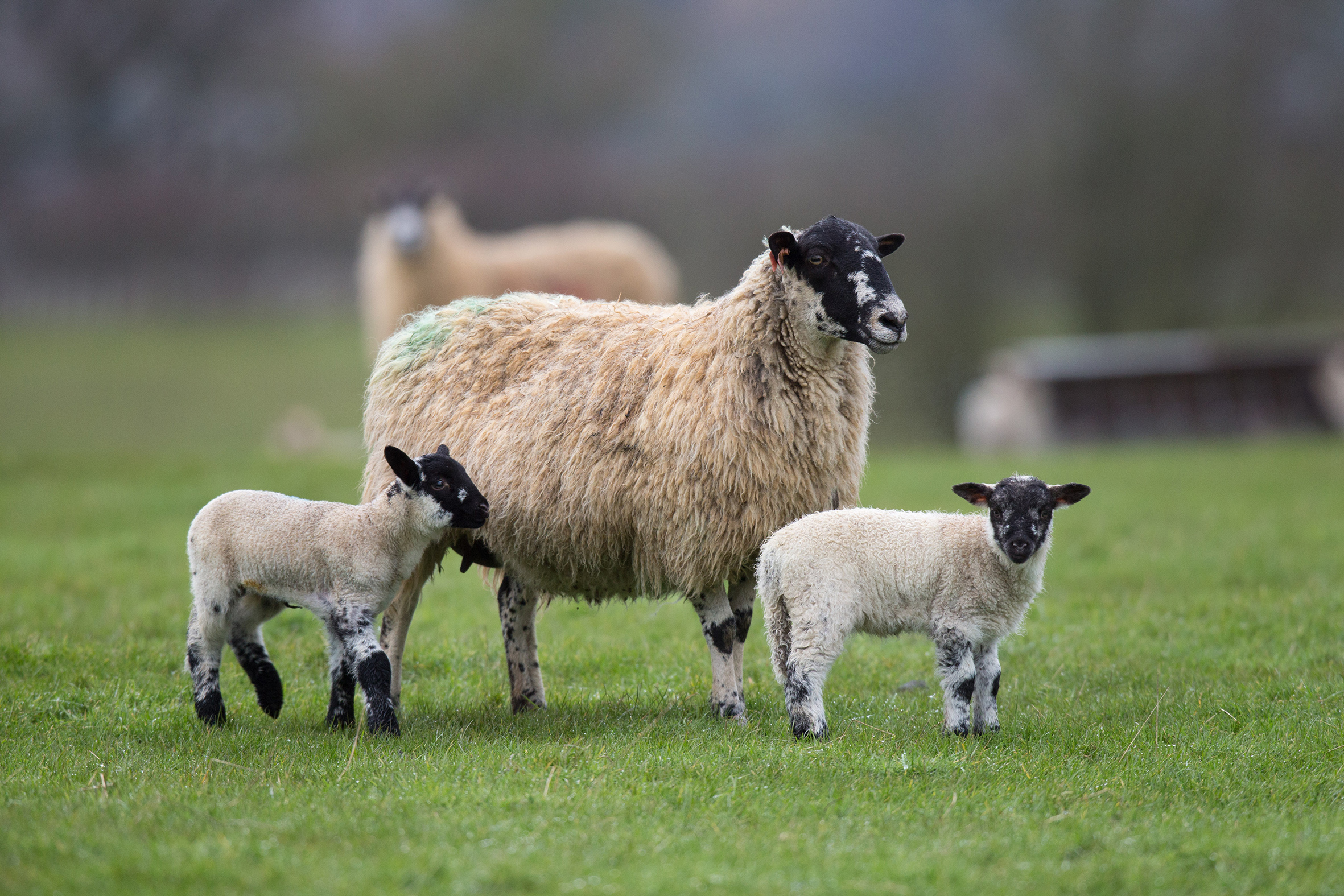
PEMBROKESHIRE sheep farmers are being urged to use weaning as a key opportunity to check ewe condition and deal with any problems before tupping.
With many local flocks now moving towards weaning, farmers are being advised to assess body condition score, as well as checking teeth, feet and udders, while there is still time to improve nutrition ahead of the breeding season.
Dr Alison Bond, Technical Services Manager at Rumenco, said close monitoring at this stage can help avoid major changes in ewe condition and improve overall flock productivity.
She said weaning at around 12 weeks was a good target, when lambs should usually be between 25kg and 30kg and taking very little milk from the ewe.
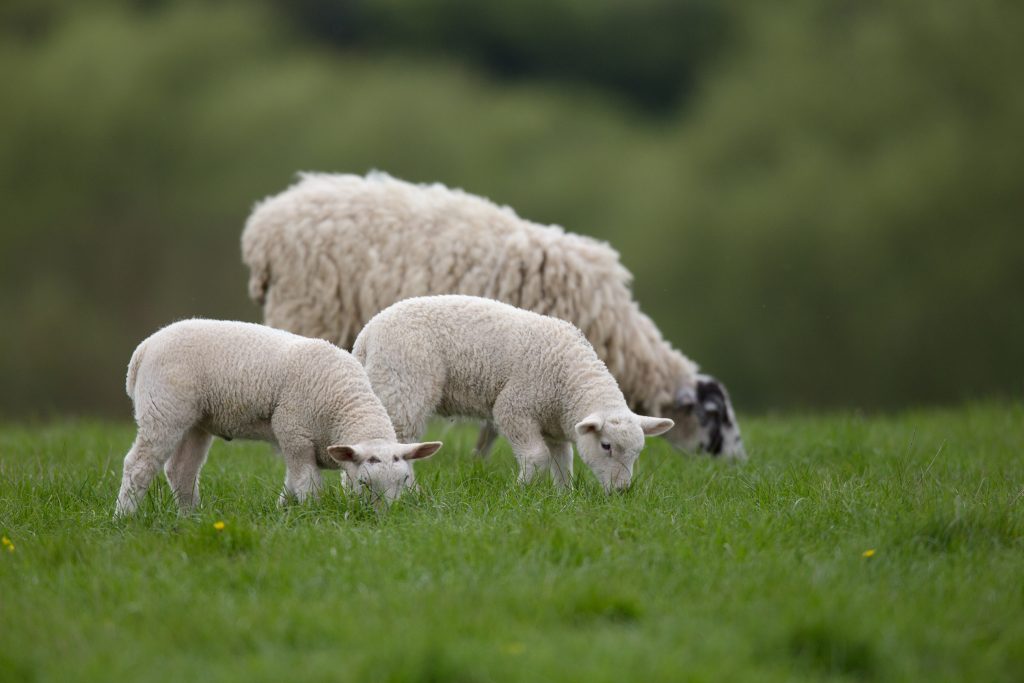
“There will of course be a focus on the lambs’ readiness for market at this stage, but it is equally important to put a hand across the ewes to assess their condition,” she said.
For lowland flocks, ewes with a body condition score below 2.5 at weaning should be given priority, as they may struggle to reach the target score of around 3.5 by tupping.
Those poorer condition ewes should be grouped separately, moved onto the best available grazing and given appropriate supplementary feeding where needed.
Dr Bond said waiting until closer to tupping could be less effective and may affect performance.
She added that ewes in good condition at tupping are more likely to scan with more lambs, produce healthier lambs after birth, and rear heavier lambs by eight weeks of age.
“It affects the whole production cycle, and not just one element,” she said.
The advice will be particularly relevant to farms across Pembrokeshire, Carmarthenshire and Ceredigion, where sheep remain a major part of the rural economy and where grass quality can vary sharply depending on weather, soil type and stocking pressure.
Dr Bond said the aim should be to keep ewes between body condition score 2.5 and 3.5 throughout the cycle, avoiding big dips and peaks.

Routine checks at weaning, she said, give farmers the best chance of correcting problems before the tups go in two to three months later.
Pic: Farmers are being urged to check ewe condition at weaning to protect flock performance ahead of tupping (Pic: Tim Scrivener/Agriphoto).

LOW UPTAKE HAS RAISED FRESH QUESTIONS OVER THE FUTURE OF SUPPORT FOR WELSH FARMERS
REFORM WALES has called for an urgent review of the Sustainable Farming Scheme after figures showed only around half of eligible farmers have signed up.
The party said the lower-than-expected uptake showed that serious concerns remained within the farming community over the complexity of the scheme, compliance rules and uncertainty about how it will operate in the long term.
Laura Anne Jones MS, Reform Wales’ Shadow Cabinet Minister for Food, Farming and Rural Affairs, raised the issue during questions to the Welsh Government.
She said: “The figures released by the Welsh Government today confirm what many farmers have been saying for some time: the Sustainable Farming Scheme is too complex, too restrictive and too bureaucratic.
“Farmers need certainty and security, not endless paperwork and rigid requirements that fail to reflect the realities of farming in Wales.
“Reform Wales believes the scheme should be reviewed as a matter of urgency, with a greater focus on flexibility, common sense and practical outcomes.
“Welsh farmers deserve a scheme that works with them, not against them.”
The Sustainable Farming Scheme is due to replace previous systems of agricultural support in Wales and has been one of the most contentious issues facing the rural sector.
Farming unions and campaigners have repeatedly warned that any new system must be practical for family farms and must not add unnecessary red tape at a time when many businesses are already under pressure from rising costs, bovine TB and market uncertainty.
Reform Wales said the Welsh Government must now explain how it intends to respond to the level of take-up and whether changes will be made before the scheme is fully rolled out.


PLANS to convert historic farm buildings near north Pembrokeshire’s Whitesands beach for use as holiday accommodation have been given the go-ahead, but their use doesn’t have to be restricted to just that purpose.
In an application to Pembrokeshire Coast National Park, Matthew James of James Properties, through agent Harries Planning Design Management sought permission for the conversion of two derelict barns to two self-catering holiday accommodation units at Porthmawr Ganol, Whitesands, St Davids.
An officer report said: “The farmstead occupies a prominent position within a landscape characterised by open agricultural fields enclosed predominantly by traditional dry-stone walls, exposed coastal pasture and areas of heathland associated with Carn Llidi.”
It added: “The site lies within the Porthmawr Historic Landscape Character Area, an area recognised for its historic pattern of dispersed settlement, traditional farmsteads, dry-stone wall field boundaries and evidence of medieval and post-medieval agricultural activity.
“The retention and reuse of the existing buildings therefore has the potential to preserve an important element of the area’s historic landscape character whilst securing a viable long-term future for structures that would otherwise continue to deteriorate.”
It said that insufficient evidence had initially been submitted to demonstrate that the buildings were unsuitable for permanent residential conversion and only for self-catering accommodation and therefore an affordable housing contribution should be secured.
Policy would lead to a contribution of £36,400, the report said, but a financial viability assessment by the applicant “demonstrated that the development would not be viable if required to provide the full policy contribution,” the maximum contribution capable of being supported whilst maintaining viability was £12,641.
This reduced figure was accepted, the officer report saying: “Whilst this represents a reduced contribution when compared with the full policy requirement, the submitted viability evidence demonstrates that the development could not reasonably support the full contribution whilst remaining deliverable.
“In these circumstances, securing a reduced contribution is considered preferable to losing the opportunity to secure the restoration and beneficial reuse of the historic buildings.”
It stated that, with the affordable contribution, the scheme would not be limited to self-catering development only.
The application was conditionally approved by Park planners.



News8 hours ago
Brexit at 10: How Britain was sold a dream that cost us dearly
A decade after the referendum, the promised benefits remain hard to find while the economic costs are increasingly difficult to...


Crime10 hours ago
Worcestershire man jailed after violent attack on woman in Tenby
Defendant was already serving a suspended sentence when serious assault took place A WORCESTERSHIRE man has been jailed for more...


Climate12 hours ago
Offshore wind ‘could bring new generation of jobs to Milford Haven’
Pembrokeshire ports and Celtic Sea projects placed at centre of Wales’ green energy ambitions MILFORD HAVEN and Pembroke Dock could...


Community1 day ago
Police officer hailed hero after midnight sea rescue in Milford Haven
PC swam 100 metres offshore to save distressed woman heard calling for help in darkness A DYFED-POWYS POLICE officer has...


Local Government2 days ago
Security privately arranged by Mayor at Beating of the Bounds
HAVERFORDWEST TOWN COUNCIL has confirmed that security personnel seen at this year’s Beating of the Bounds were privately arranged and...


Business3 days ago
Celtic Freeport five-year plan puts Milford Haven at centre of green energy future
Strategy promises investment, skilled jobs and new supply chains, but major barriers remain over grid connections, planning and delivery THE...


Education3 days ago
Closure of Ysgol Clydau approved after emotional council debate
COUNCILLORS WARNED RURAL COMMUNITIES WILL REMEMBER DECISION PEMBROKESHIRE councillors have voted to close Ysgol Clydau following an emotional debate over...


Education3 days ago
Manorbier school closure process to continue after narrow council vote
Questions remain over insurance, rebuilding costs and possible legal action by Diocese PEMBROKESHIRE councillors have voted to press ahead with...


Community3 days ago
The father, son and daughter lifeguard trio saving lives in Pembrokeshire
A FATHER, son and daughter are preparing to help keep beachgoers safe on the Pembrokeshire coast this summer as part...


Community3 days ago
Beating of the Bounds brings music, boats and tradition to Haverfordwest
CENTURIES-OLD CEREMONY DRAWS FAMILIES TO THE RIVERSIDE HAVERFORDWEST’S historic Beating of the Bounds returned on Sunday (Jun 14), with boats,...
-

 Community3 days ago
Pembrokeshire Chess Club crowned Welsh champions
-
Local Government2 days ago
Security privately arranged by Mayor at Beating of the Bounds
-

 Crime7 days ago
Pembroke Dock teenager sentenced over train strangulation attack
-

 Education5 days ago
Diocese threatens legal action as Manorbier school closure battle intensifies
-

 Crime7 days ago
Man accused of six rapes including alleged Haverfordwest offence
-

 Crime1 day ago
Man wanted by court after failing to attend hearing over alleged shop thefts
-

 Local Government6 days ago
Taxi suspended after county-wide licensing checks
-

 Crime7 days ago
Brothers found guilty of causing death of Welsh dad in ‘reckless’ race