


Politics
Watchdog ‘stretched to limit’ amid deluge of complaints

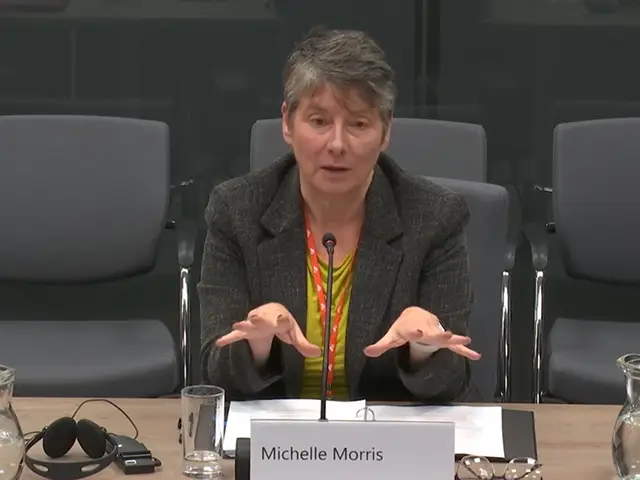
A PUBLIC services watchdog received a record 3,500 formal complaints last year – a 10% increase that is stretching resources to their limit, a Senedd committee has heard.
Michelle Morris, the public services ombudsman for Wales, warned her office has “reached capacity” with its staff having to queue new cases to manage the workload.
Appearing before the finance committee on Thursday (October 16), the ombudsman said her office is receiving increasingly complex cases that require resource-intensive investigation.
Ms Morris told Senedd Members: “We felt we were operating very close to capacity with the case numbers we experienced the year before and given the increases we’ve now seen last year on top of that, we really do feel that we’ve reached capacity with our current workforce.”
The ombudsman has requested a 5.4% budget increase, with 3% covering pay and price pressures – and the remaining 2.4% needed to cope with increases in demand.

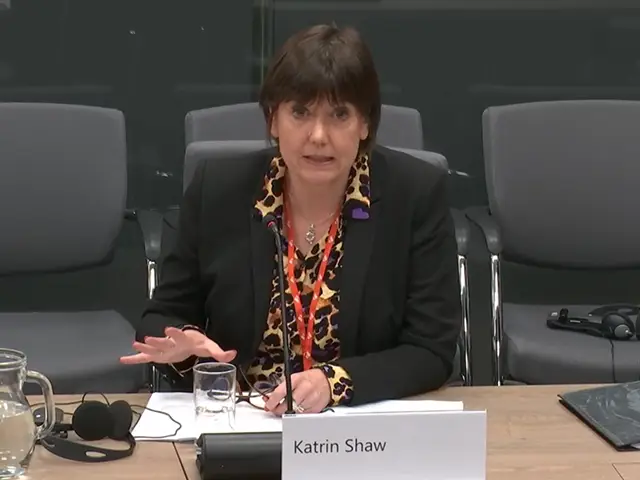
Katrin Shaw, the ombudsman’s casework and legal director, warned of a “constant juggling act” to manage demand and told the committee: “We are fully stretched.”
She added: “As soon as we move resources to assist in one area, we are so stretched that we start seeing issues in another.”
Ms Shaw expressed concerns about the impact of artificial intelligence, with complainants using AI tools to write their submissions – leading to a surge in cases.
She pointed to the problem of premature complaints before an issue has been raised with a public body itself and AI tools giving incorrect information about the ombudsman’s powers.

While the average investigation time has improved to 53 weeks, Ms Shaw said she was “really concerned” about the number of “aged investigations” open for more than a year.
In 2019, the office was given powers to carry out wider “own-initiative” investigations – launching inquiries into homelessness and carers’ needs in 2022 and 2024 respectively.
Ms Morris suggested the next inquiry will focus on social housing, with a consultation in early November to confirm the topic and scope before a full investigation in the new year.

She told the committee: “What I’m minded to look at is the issue of social housing and the issue of disrepair, damp and mould in social housing, and particularly how that affects more vulnerable groups within our community.”
The ombudsman explained her office will seek views from public bodies, tenants’ associations and Senedd Members to “first confirm that is the right way to go”.
Ms Morris reflected on lessons learned from the first two major investigations, suggesting the next inquiry will have a tighter scope, targeted consultation and clearer engagement.
But her office warned such proactive investigations could be jeopardised if the budget is hit by a failure to pass the Welsh Government’s annual spending plans.
If not passed by the start of the financial year in April, funding for the ombudsman’s office would revert to 75% of last year’s budget – rising to 95% if not agreed by the end of July.
Finance director Heather Beynon warned of job losses in such a scenario, saying the office would not be able to absorb redundancy costs and would need to request further funding.
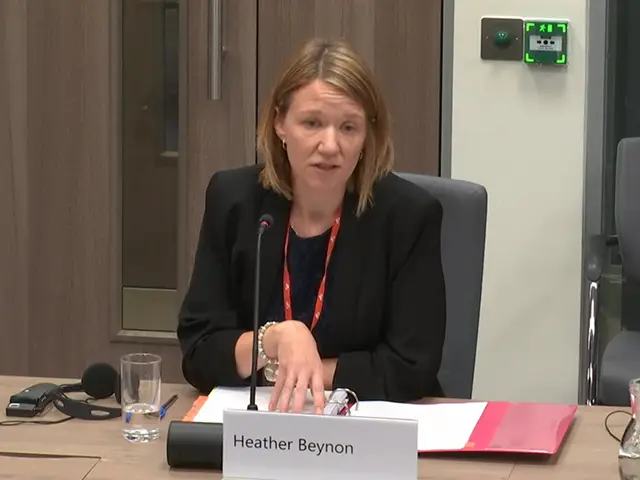
Ms Beynon told the committee the cuts would have an “adverse impact on the complainant experience”, leading to longer response times and less detailed consideration of cases.
She said: “Essentially, it wouldn’t allow us to achieve our strategic aims and objectives, we feel it would expose us to a significant risk, and it would take us a long time to recover from.”


Rayner, Healey and Miliband handed senior roles as Reeves, Lammy and Stevens leave government
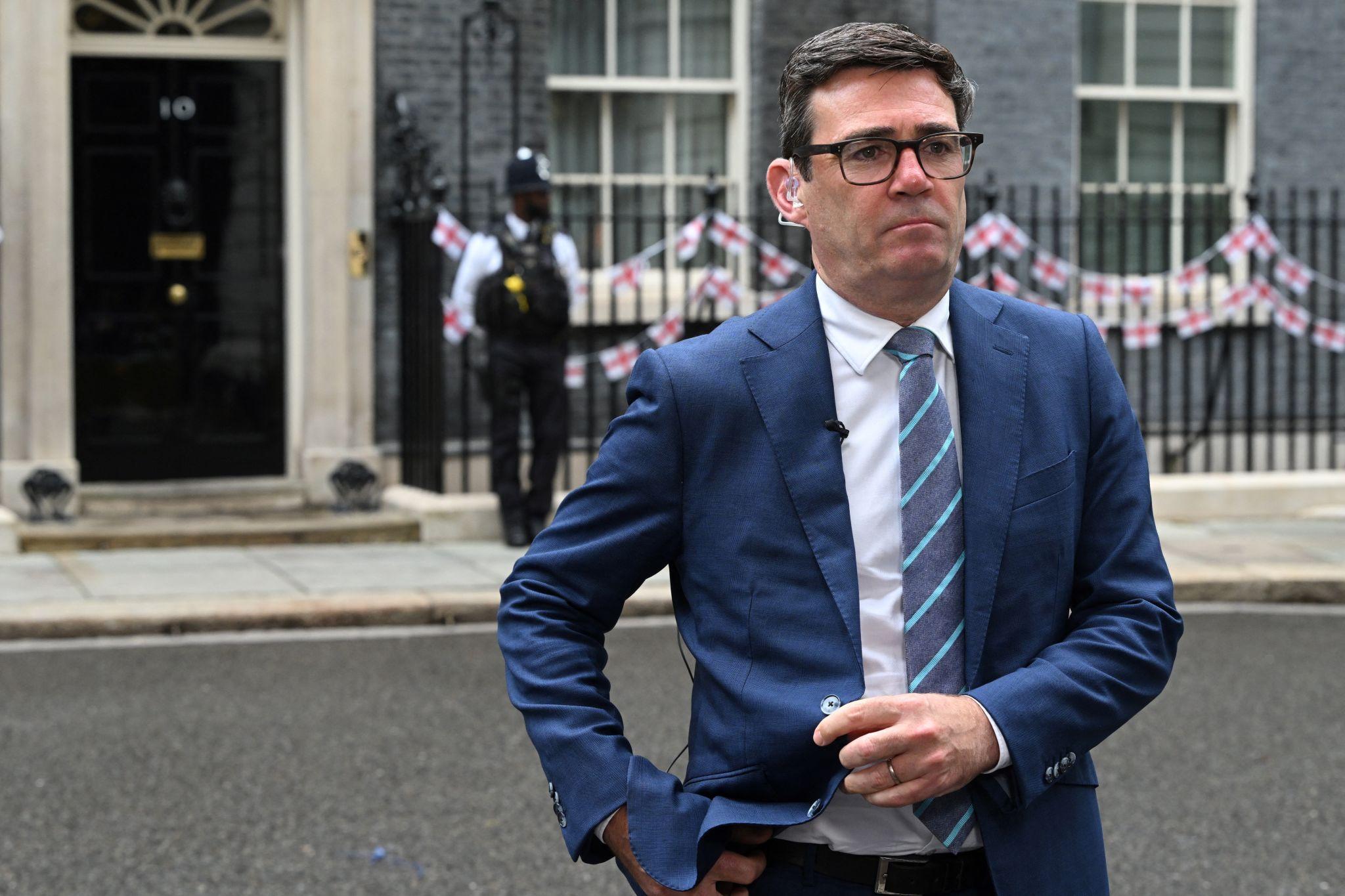
PRIME MINISTER Andy Burnham has announced a further wave of Cabinet appointments, bringing Angela Rayner back into government and handing senior roles to Lucy Powell, Jonathan Reynolds and close political ally Anneliese Midgley.
The latest announcements confirm that Burnham is carrying out a significant restructuring of Sir Keir Starmer’s former administration rather than simply moving a handful of ministers between departments.
Rayner has returned as Secretary of State for Housing, Communities and Local Government, the position she left last year. The department will also oversee Burnham’s plans to transfer greater powers away from Westminster and into the nations, regions and local government.
Lucy Powell, Labour’s deputy leader, has been appointed Education Secretary, replacing Bridget Phillipson.
Phillipson will remain in government as Minister for Women and Equalities, although the move represents a substantial reduction in her responsibilities.
Jonathan Reynolds has returned to his former position as Business and Trade Secretary after serving as Chief Whip under Starmer.
His department is being expanded to take responsibility for science and innovation and will be renamed the Department for Business, Innovation, Science and Trade.
Anneliese Midgley, who played a central role in Burnham’s return to Parliament and leadership campaign, has been appointed Chief Whip.
The appointments follow the earlier confirmation that former Defence Secretary John Healey will become Chancellor.
Healey’s selection was considered a surprise after Ed Miliband and Shabana Mahmood had both been strongly linked to the Treasury. He replaces Rachel Reeves, who left the government after reportedly turning down another senior Cabinet role.
Miliband has instead been appointed Foreign Secretary, replacing Yvette Cooper, while Mahmood remains Home Secretary.
Cooper has moved to the Department of Health and Social Care, where she replaces James Murray. Burnham has made reform of adult social care one of the central missions of his government.

Pat McFadden will continue as Work and Pensions Secretary, providing one of the clearest elements of continuity with the previous administration.
Louise Haigh has been handed one of the most powerful positions in the new government. She becomes First Secretary of State, Chancellor of the Duchy of Lancaster and the senior Cabinet Office minister.
Although she has not formally been given the title of Deputy Prime Minister, the appointment makes Haigh Burnham’s principal coordinator across government and effectively his deputy at the Cabinet table.
Who has left?
The reshuffle has seen several figures closely associated with Starmer removed from government.
Rachel Reeves has departed as Chancellor, while David Lammy has left his positions as Deputy Prime Minister and Justice Secretary.
Darren Jones, who served as Chief Secretary to the Prime Minister, has also been removed, alongside former Housing Secretary Steve Reed and Business Secretary Peter Kyle.
Attorney General Lord Richard Hermer, Science and Technology Secretary Liz Kendall, Welsh Secretary Jo Stevens and Northern Ireland Secretary Hilary Benn have also confirmed their departures.
James Murray has been replaced as Health Secretary, although it remains unclear whether he will be offered another government position.
Wales still waiting
No replacement has yet been announced for Jo Stevens as Secretary of State for Wales.
The vacancy is particularly significant because Burnham has promised a major programme of constitutional change and greater devolution of powers from Westminster.
The identity of the new Welsh Secretary will provide an early indication of how prominently Wales will feature within the new Prime Minister’s plans.
Several further senior appointments remain outstanding, including the posts of Defence Secretary, Justice Secretary, Northern Ireland Secretary and Welsh Secretary.
Wes Streeting, Lisa Nandy, Heidi Alexander, Miatta Fahnbulleh, Angela Eagle and a number of other Labour figures have entered Downing Street, but their positions had not been formally confirmed at the time of publication.
Burnham took office on Monday after being formally appointed by the King, promising what he described as a “circuit breaker” moment for Britain.
His government is expected to announce its first package of cost-of-living measures on Tuesday, with proposals involving energy bills and bus fares among the policies being considered.
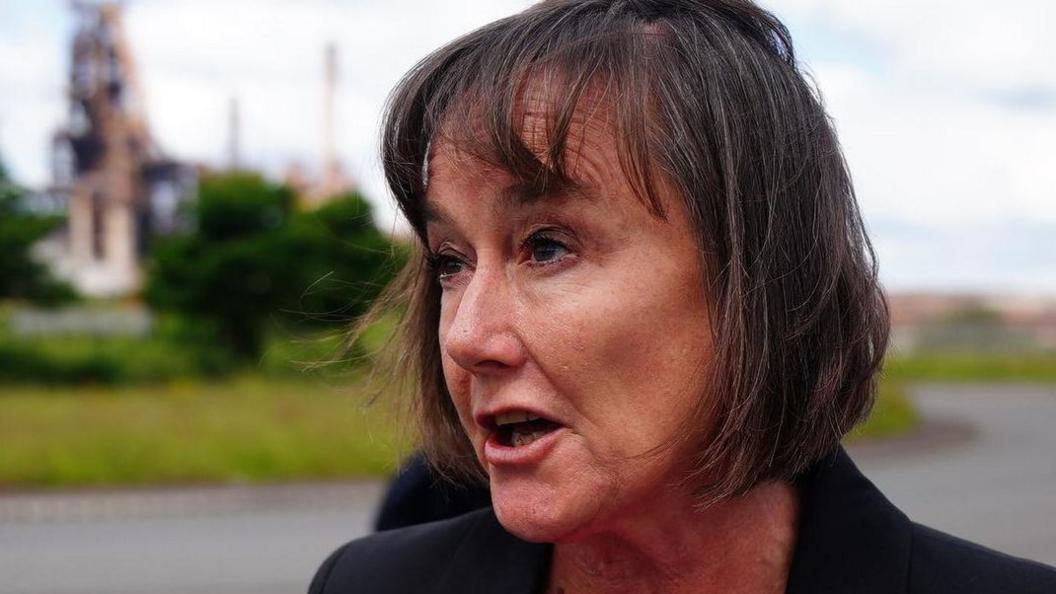
Cardiff East MP repeatedly visited Pembrokeshire to champion clean energy jobs, but her successor inherits unresolved questions over Milford Haven’s share of the Celtic Sea boom
JO STEVENS is out as Secretary of State for Wales after new Prime Minister Andy Burnham chose not to retain her in his first Cabinet.
The Cardiff East MP confirmed on Monday (Jul 20) that she would no longer serve as Welsh Secretary, bringing her two-year tenure at the Wales Office to an end.
Her departure has particular significance for Pembrokeshire, where she became one of the UK Government’s most prominent advocates for floating offshore wind, the Celtic Freeport and the transition from oil and gas towards cleaner forms of energy.
Ms Stevens made repeated visits to Milford Haven and Pembroke Dock, met apprentices and major employers and spoke directly to The Pembrokeshire Herald about the prospect of skilled jobs being created in West Wales.
Some tangible investment followed those visits. However, many of the biggest employment figures attached to the green energy transition remain forecasts rather than jobs already created.
Her successor will inherit the task of proving that Pembrokeshire will receive a substantial and lasting share of the promised economic benefits.
Departure despite backing Burnham
The decision is particularly notable because Ms Stevens publicly backed Mr Burnham during the Labour leadership contest.
She said in June that he had the experience, values and political reach required to become Prime Minister.
Her departure therefore appears to be part of Mr Burnham’s wider effort to create a new Cabinet and establish a clear break with the previous administration, rather than the result of hostility between the two politicians.
Ms Stevens is among a number of senior figures from Sir Keir Starmer’s government who have left Cabinet as Mr Burnham builds his new administration.
At the time of publication, her replacement as Secretary of State for Wales had not been announced.
Early visit to Milford Haven
Ms Stevens began building links with Pembrokeshire before Labour entered government.
As Shadow Welsh Secretary, she visited the Port of Milford Haven with Henry Tufnell in early 2024 to discuss the port’s operations, its development plans and the barriers facing further investment.
Following the visit, Labour identified ports including Milford Haven as potential beneficiaries of its proposed investment in floating offshore wind and domestic renewable-energy manufacturing.
The promise was significant for Pembrokeshire, which has lost thousands of well-paid industrial jobs following the closure of several major oil refineries.
Labour argued that investment in ports, offshore wind and associated manufacturing could create a new generation of skilled employment.
Pembroke Dock Marine opening
After Labour’s general election victory and her appointment as Welsh Secretary in July 2024, Ms Stevens returned to the county for the official opening of the £60 million Pembroke Dock Marine redevelopment.
She attended alongside then Deputy Prime Minister Angela Rayner and former First Minister Eluned Morgan.
The development included a new slipway, enlarged workboat pontoons, upgraded quayside facilities and infrastructure intended to support marine renewable-energy projects.
It was forecast that the wider development could support up to 1,800 jobs.
The project was funded and developed over several years through the Swansea Bay City Deal and other partners. It would therefore be misleading to describe it as an achievement delivered solely during Ms Stevens’ tenure.
However, she used its opening to reinforce the new UK Government’s commitment to Pembrokeshire’s energy sector and helped place the county prominently within Labour’s industrial message.
Ledwood and Dragon LNG visits
Ms Stevens returned in January 2025 to confirm Pembrokeshire’s inclusion in a clean-energy skills pilot.
During the visit, she met workers and apprentices at Ledwood Mechanical Engineering in Pembroke Dock and representatives from Dragon LNG.
The initiative was intended to help existing workers transfer their skills into sectors including offshore wind, hydrogen and other low-carbon industries.
Speaking to The Herald, Ms Stevens described the pilot as an important step towards creating the workforce required for clean-energy expansion in the Celtic Sea.
She later said she wanted more young people to be able to remain in West Wales and build careers in the emerging industries being attracted to the area.
Those visits gave the county political visibility and helped bring employers, training providers and government representatives together.
The longer-term test, however, is whether the training leads to substantial numbers of permanent jobs based in Pembrokeshire.
Investment beginning to arrive
There have been concrete developments during Ms Stevens’ time in office.
Ledwood Engineering was among the Pembrokeshire businesses selected to benefit from a £13 million offshore wind supply-chain funding programme backed by The Crown Estate.
Work has also progressed on a proposed £50 million hydrogen production facility at the former refinery site now operated as the Impala Terminal in Milford Haven.
The hydrogen scheme is expected to create around 60 jobs during construction and approximately ten permanent positions once operational.
Floating wind projects in the Celtic Sea have also moved forward through seabed leasing, government support and preparatory investment.
These developments show that the clean-energy programme is more than a political slogan.
Nevertheless, the number of permanent jobs confirmed so far remains considerably below the thousands repeatedly discussed in speeches and government announcements.
The Freeport question
Ms Stevens also strongly supported the Celtic Freeport, which links Milford Haven and Port Talbot.
The project was backed with £26 million of government funding and designed to attract investment through tax incentives, customs arrangements and simplified planning.
Ministers said the Freeport could help generate thousands of jobs and attract major private investment into South and West Wales.
However, The Herald has repeatedly raised questions about how those benefits will be divided between the two ports.
Port Talbot has secured up to £64 million to develop a specialist floating offshore wind hub and has been described as a cornerstone of the emerging industry.
Its proposed role in turbine assembly and large-scale port infrastructure has been set out in considerable detail.
Milford Haven’s role in operations, maintenance, engineering, fuel production and marine support remains important, but the eventual scale of the work and number of local jobs have been less clearly defined.
That does not mean Pembrokeshire has been excluded from the opportunity.
It does mean that the incoming Welsh Secretary must provide greater clarity about what work will be based locally, when it will begin and how many permanent jobs it will create.
Stevens defends her record
In announcing her departure, Ms Stevens said serving as Welsh Secretary had been a privilege and an honour.
She said her priorities had included attracting investment, creating jobs and giving Welsh communities greater control over their futures.
Ms Stevens highlighted what she described as the largest Welsh public-services settlement since devolution, support for the steel industry, investment in nuclear power at Wylfa and a long-term commitment to Welsh rail infrastructure.
She also pointed to local-growth funding and cooperation between the UK and Welsh governments.
Those are substantial claims and form an important part of any fair assessment of her tenure.
Critics will argue that several major commitments, particularly on rail funding and green employment, have yet to produce all the results promised.
Supporters will point out that large infrastructure and energy projects take years to develop and that many of the schemes promoted during her time in office are still at an early stage.
Pembrokeshire promises now pass to successor
Jo Stevens leaves the Wales Office having made Pembrokeshire a regular feature of the UK Government’s clean-energy narrative.
She visited the county, met local businesses and apprentices and repeatedly argued that West Wales should benefit from the transition towards floating wind, hydrogen and renewable energy.
Her record should not be dismissed simply because every promised job has not yet materialised.
Equally, announcements, visits and projected employment figures cannot be treated as completed delivery.
The fairest conclusion is that Ms Stevens helped advance Pembrokeshire’s case and supported several important projects, but leaves before the full economic outcome is known.
Her successor must now turn broad ambitions into named contracts, firm investment decisions and permanent, well-paid employment.
For Andy Burnham’s new government, the question is not only whether it will retain the promises made to Pembrokeshire.
It is whether local communities will finally see those promises translated into jobs.

New Prime Minister admits politicians have “not been good enough” as he sets out a ten-year plan for Britain and pledges early action on the cost of living
ANDY BURNHAM has become Prime Minister of the United Kingdom, promising a more stable and responsible government while admitting that politicians must do better to regain the public’s trust.
The former Mayor of Greater Manchester entered Downing Street on Monday, July 20, after being formally invited by King Charles III to form a government following the resignation of Sir Keir Starmer.
Burnham becomes Britain’s seventh prime minister in just over a decade and takes charge of a Labour government with a substantial Commons majority, but facing deep public frustration over living standards, struggling services and political instability.
In an unusually informal arrival, Burnham walked along Downing Street greeting supporters, shaking hands and sharing hugs before speaking outside Number 10 without a lectern or visible notes.
He used his first address as Prime Minister to acknowledge the scale of public disillusionment with Westminster.
Burnham said he knew “people at home are fed up with politics” and called on those in public life to rise to the challenge facing the country.
“I want to be honest with you: we have not been good enough and we need to be better. We will be,” he said.
A promise of honesty and stability
Burnham presented his arrival as a moment of reflection and resolution for a country that has experienced repeated changes of leadership and growing distrust in its political institutions.
He promised a more stable and responsible style of government, arguing that stability must be used to produce real improvements in people’s lives rather than simply preserve the political status quo.
The new Prime Minister said the country needed honesty about the scale of the challenges it faces and a government willing to confront problems that have been repeatedly postponed.
His message was intended to mark a break from the point-scoring and short-term political calculations that he has repeatedly criticised.
Burnham has said his government will focus on solving problems rather than manufacturing political conflict, with ministers expected to be judged on delivery.

He also paid tribute to Starmer’s service and indicated that his government would build on parts of the previous administration’s record rather than attempt to erase it.
However, his declaration that politicians had not been good enough amounted to a clear acknowledgement that Labour’s first two years in office had failed to meet public expectations.
Ten-year plan for Britain
At the centre of Burnham’s new government will be a proposed ten-year plan to change how Britain is governed and reverse the decline experienced by many communities.
The programme is expected to focus on the cost of living, housing, public services, social care, transport, industrial investment and the transfer of power away from Westminster.
Burnham has argued that Britain’s problems cannot be solved through announcements designed around a single Budget or electoral cycle.
Instead, he wants the government to make early investments and pursue longer-term reforms intended to raise living standards and rebuild economic strength across the country.
His plans include a major social and council housebuilding programme, reforms to social care, greater public control over essential services and a substantial expansion of regional devolution.
Burnham has also proposed establishing a “Number 10 North” operation in Manchester, focused on housing, utilities and economic regeneration.
The challenge will be turning that broad vision into funded policies at a time when the public finances remain under pressure.
Cost-of-living action expected
Burnham has indicated that helping households with the cost of living will be one of his government’s first priorities.
Families across Britain continue to face pressure from food prices, energy bills, rents, mortgages and stagnant wages.
The new Prime Minister is expected to announce early measures intended to give households greater breathing space, with energy costs and transport fares likely to be among the areas considered.
He has already abandoned the previous government’s proposed national digital identity scheme, saying resources should instead be concentrated on policies that make an immediate difference to people’s lives.
Burnham has also spoken about the need to reform an economic model which, he believes, has failed to deliver secure housing, reliable services and rising living standards for large parts of the population.
However, he inherits limited financial room, major defence commitments, pressure on the NHS and an unresolved social care crisis.
Any substantial spending commitments will need to be accompanied by a credible explanation of how they will be funded.
Starmer says his “work is done”
Sir Keir Starmer delivered his final address outside Number 10 before travelling to Buckingham Palace to formally tender his resignation.
He said it had been the privilege of his life to serve as Prime Minister and defended the achievements of his two years in office.
Starmer said Britain was stronger and fairer than when Labour entered government in 2024 and highlighted progress on workers’ rights, child poverty, immigration, defence and NHS waiting times.
He concluded by saying his “work is done” and that he was leaving Downing Street with good grace, a smile and pride in what his government had achieved.
Starmer also offered Burnham his full support as he passed responsibility for the country to his successor.
His departure followed months of pressure from Labour MPs over the direction of the government, its handling of the economy and the party’s declining public support.
Although Labour retains a large parliamentary majority, Britain has changed prime minister without holding a general election.
There is no constitutional requirement for Burnham to seek an immediate public mandate, although opposition parties are expected to continue demanding an early national vote.
From the “King of the North” to Number 10
Burnham enters Downing Street with a political identity built largely outside Westminster.
During his time as Mayor of Greater Manchester, he presented himself as a champion of communities overlooked by governments in London.
His public clashes with Whitehall during the coronavirus pandemic earned him the nickname the “King of the North” and helped turn him into one of Labour’s most recognisable figures.
Burnham returned to Parliament after winning the Makerfield by-election before securing overwhelming support from Labour MPs to succeed Starmer.
He was confirmed as Labour leader after receiving 379 nominations from Labour MPs and facing no rival candidate.
His political argument is that Britain has become too centralised and that decisions affecting communities are too often taken by institutions with little understanding of local needs.
As Greater Manchester mayor, Burnham oversaw the return of local bus services to public control and promoted a model of cooperation between government, councils and business.
He now wants to apply that approach nationally.
First Minister calls for a new relationship with Wales
Burnham’s arrival could have major consequences for Wales.
For the first time, a Labour Prime Minister at Westminster will work with a Plaid Cymru-led Welsh Government following Rhun ap Iorwerth’s election as First Minister.
Responding to Burnham’s appointment, the First Minister said the change at Number 10 presented an opportunity to redefine the relationship between the Welsh and UK governments.
Rhun ap Iorwerth said: “I congratulate Andy Burnham on his appointment as Prime Minister, which presents an opportunity to redefine the relationship between the Welsh and UK Governments.
“I know that Andy Burnham shares my belief in the power of devolution to improve the lives of the people we serve.
“In that spirit, I hope we can speak the same language when it comes to devolving powers out of Westminster by strengthening, not bypassing, Wales’s national parliament and its ability to empower people and communities.
“I look forward to an early meeting with the new Prime Minister to agree how we can give Wales the powers it needs to grow the economy and build a fairer, more prosperous future for all.”
The reference to strengthening rather than bypassing the Senedd is likely to become central to the early relationship between the two governments.
Burnham has spoken frequently about transferring power away from Westminster, but much of his political record has focused on English councils, combined authorities and city regions.
The Welsh Government will seek assurances that any new programme of decentralisation recognises the Senedd as Wales’s national parliament.
It will oppose any attempt to transfer powers directly from Westminster to Welsh councils without the involvement of Cardiff Bay.
Pressure for further devolution
Plaid Cymru is expected to press Burnham over the devolution of rail infrastructure, policing, justice and control of the Crown Estate.
The Welsh Government will also seek a new approach to funding, arguing that Wales has repeatedly lost out through decisions made in Westminster.
Burnham’s record suggests he understands the frustration caused by excessive centralisation.
However, he will now have to demonstrate that his support for devolution extends beyond England’s large cities.
His promise to govern differently will be tested by whether he is prepared to strengthen the powers of a Welsh Government controlled by a political opponent.
The planned early meeting between Burnham and Rhun ap Iorwerth could therefore set the tone for relations between Westminster and Cardiff Bay for the remainder of the parliamentary term.
Welsh Labour sees an opportunity
The change at Number 10 also presents both an opportunity and a challenge for Welsh Labour.
Ken Skates, recently confirmed as the permanent leader of Welsh Labour, has welcomed Burnham’s emphasis on decentralisation and giving communities greater control.
Welsh Labour will hope the new Prime Minister’s popularity and more traditional Labour message can help the party rebuild following its historic defeat in the Senedd election.
However, tensions are likely between the Labour government at Westminster and the Plaid Cymru administration in Cardiff Bay.
Both parties will seek to claim credit for any additional funding or powers secured for Wales.
Plaid Cymru will argue that pressure from a non-Labour Welsh Government is necessary to win concessions.
Welsh Labour, meanwhile, will portray Burnham as a Prime Minister who understands the needs of communities beyond London and can deliver for Wales from within the Union.
What it could mean for Pembrokeshire
For Pembrokeshire, the test will not be the words delivered outside Downing Street but whether Burnham’s government produces visible investment and better services.
His promise to shift power and economic activity away from London could benefit rural and coastal communities that have long argued that national policy is designed around major cities.
However, a model based heavily on English city regions will not automatically answer the needs of west Wales.
Pembrokeshire faces limited public transport, shortages of affordable housing, pressure on health and social care, seasonal employment, fragile town centres and the continued loss of young people who feel they must leave the county to find secure work.
A genuine programme of national renewal would need to recognise that rural isolation can be every bit as damaging as deprivation in large urban areas.
Burnham’s plans for industrial investment could also have significant implications for Milford Haven and the wider Haven waterway.
The area is already central to Britain’s energy system and is seeking to position itself at the heart of future developments involving offshore wind, hydrogen, port infrastructure and lower-carbon industry.
A UK Government committed to reindustrialisation could bring substantial opportunities to Pembrokeshire.
Local businesses and communities will, however, want firm decisions on energy policy, grid capacity, investment and skilled employment rather than another series of announcements without delivery.
West Wales will also be watching closely for changes to rail funding and transport policy.
Successive Welsh governments have argued that Wales has not received a fair share of major UK rail investment.
Burnham’s claim that he will govern for overlooked places will carry little weight locally unless communities west of Swansea see better connectivity and a fairer distribution of infrastructure spending.
No guaranteed honeymoon
Despite Labour’s large Commons majority, Burnham is unlikely to enjoy an easy transition.
The Conservatives and Reform UK have questioned his mandate, arguing that the public voted for a government led by Starmer rather than Burnham.
They are expected to demand an early general election and portray the leadership change as an internal Labour appointment rather than a national endorsement.
Burnham must also manage competing pressures within his own party.
Some Labour MPs want a decisive break from the cautious approach associated with Starmer, while others fear ambitious spending commitments could damage confidence in the economy.
Businesses, investors and trade unions will closely examine his first Cabinet appointments and the details of his economic programme.
The first major decisions of the new government are expected quickly, with Burnham promising that political stability will be accompanied by action rather than delay.
A moment of possibility
Burnham enters Number 10 with considerable political advantages.
He is an experienced former Cabinet minister, a strong communicator and one of the few senior politicians to have developed a substantial political power base outside Westminster.
His informal arrival, without a lectern or prepared notes, was intended to demonstrate a more direct and personal approach to leadership.
But style alone will not be enough.
The new Prime Minister has promised honesty, stability, a ten-year programme of renewal and an economy that works for every part of the country.
For Wales, the central question is whether his belief in decentralisation will translate into greater respect, fairer funding and meaningful additional powers.
For Pembrokeshire, the question is simpler.
Will the arrival of a self-declared champion of overlooked communities finally bring investment and opportunity beyond Britain’s largest cities?
Andy Burnham has reached Downing Street promising that politics will be better.
His premiership will ultimately be judged on whether people hundreds of miles from Number 10 can feel the difference.
Photo: Getty Images


News6 hours ago
Jo Stevens out as Welsh Secretary as Burnham reshapes government
Cardiff East MP repeatedly visited Pembrokeshire to champion clean energy jobs, but her successor inherits unresolved questions over Milford Haven’s...


Crime12 hours ago
Teen cleared of attempted murder but guilty of GBH after Milford teacher stabbed
Jury returns 11-1 majority verdict on charge of causing grievous bodily harm with intent, with sentencing set for September 3...


Community13 hours ago
French troops march through Fishguard as Britain’s last invasion returns to life
Battle scenes, cavalry displays and a surrender procession brought one of Pembrokeshire’s most extraordinary stories back to the streets MUSKET...


News13 hours ago
Andy Burnham promises new politics as he enters Downing Street
New Prime Minister admits politicians have “not been good enough” as he sets out a ten-year plan for Britain and...


Health2 days ago
Two new surgeons appointed as Hywel Dda admits orthopaedic waits remain too long
Health board says it is increasing capacity after figures revealed hip replacement patients waited an average of 64 weeks HYWEL...


Community2 days ago
84-year-old man rescued after falling overboard near Tenby
A MAYDAY call sparked a major nighttime rescue after an 84-year-old man fell from a tender and was swept towards...


Crime3 days ago
Jury hears final arguments in Milford Haven teacher stabbing trial
Defence says there was no motive or intention to kill as judge reviews competing accounts of classroom knife incident SPECIAL...

News4 days ago
Andy Burnham becomes Labour leader and prepares to enter No 10
Former Greater Manchester mayor promises an ‘unashamedly Labour’ government after completing extraordinary return to Westminster ANDY BURNHAM has been formally...


News4 days ago
Motorcyclist dies following collision near Narberth
Police appeal for witnesses and footage after fatal crash on B4313 at Redstone A MOTORCYCLIST has died following a collision...


Local Government4 days ago
Stepaside school saved as council abandons closure proposal
Governors welcome decision but maintain original plans were based on outdated information STEPASIDE Community Primary School will remain open after...
-

 Health14 hours ago
Welsh Ambulance Service invites public to AGM and Board meeting
-
News1 day ago
Andy Burnham set for No 10 as Wales awaits change
-
Crime12 hours ago
Teen cleared of attempted murder but guilty of GBH after Milford teacher stabbed
-

 Crime12 hours ago
What the Milford Haven School stabbing verdict really means
-
Health2 days ago
Two new surgeons appointed as Hywel Dda admits orthopaedic waits remain too long
-

 Community1 day ago
Tributes paid to long-serving Mansel Davies driver Gareth Griffiths
-

 Entertainment1 day ago
Dinosaur adventure set to roar into the Torch Theatre
-

 Community1 day ago
West Wales Sea Cadets celebrate outstanding regatta success