


News
Pembrokeshire comes together for charity football night at Bridge Meadow

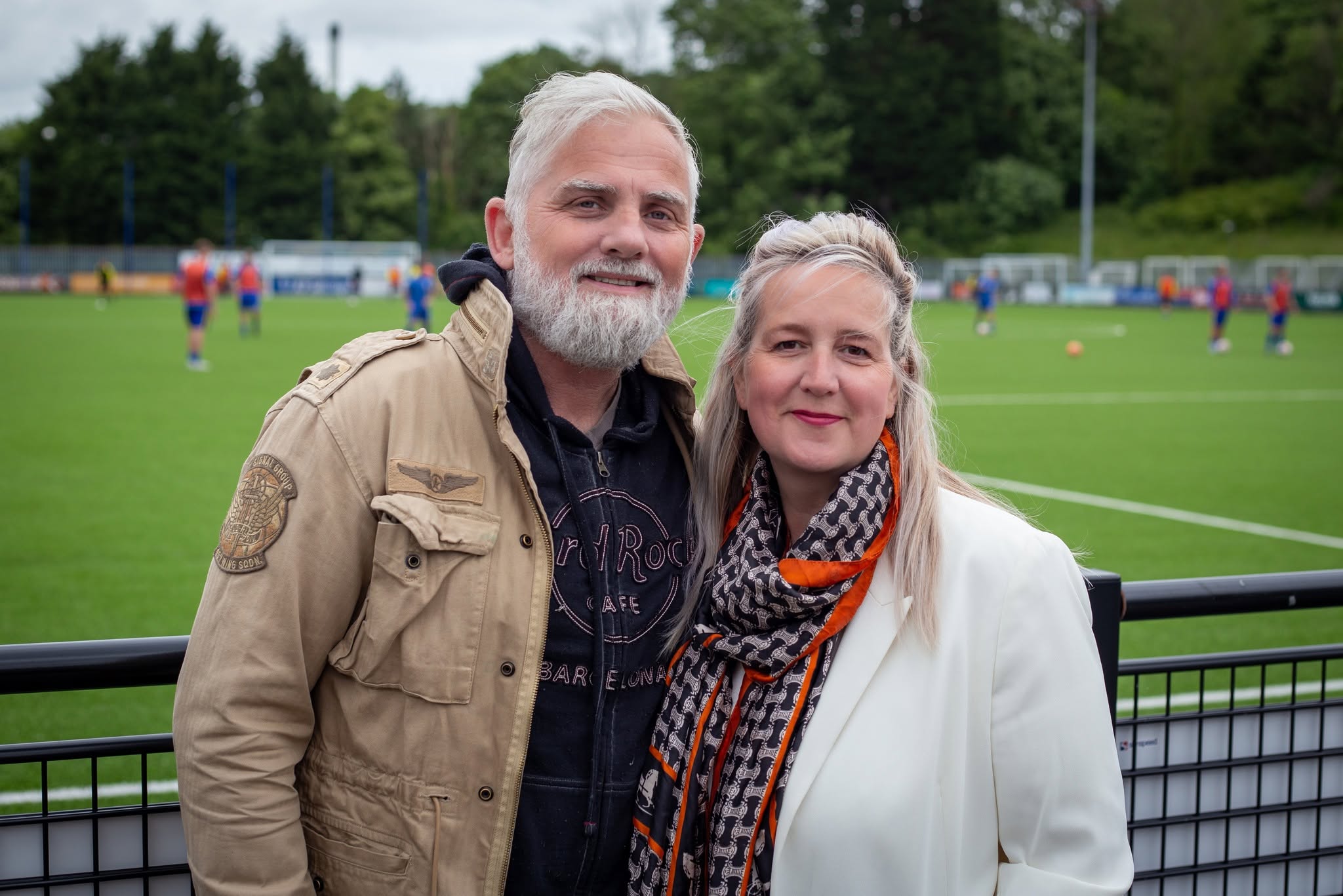
£600 RAISED FOR MEGAN’S STARR FOUNDATION AS COMMUNITY SPIRIT SHINES THROUGH
A CHARITY football match at the Ogi Bridge Meadow brought together players, businesses, volunteers and supporters from across Pembrokeshire on Friday night, raising more than £600 for a local charity supporting young people and families.
The match saw a Pembrokeshire Select XI take on a Valero Pembroke Refinery XI under the lights at Haverfordwest County AFC’s home ground, with the Select side comfortably winning on the pitch — but organisers said the real victory was the community effort behind the event.
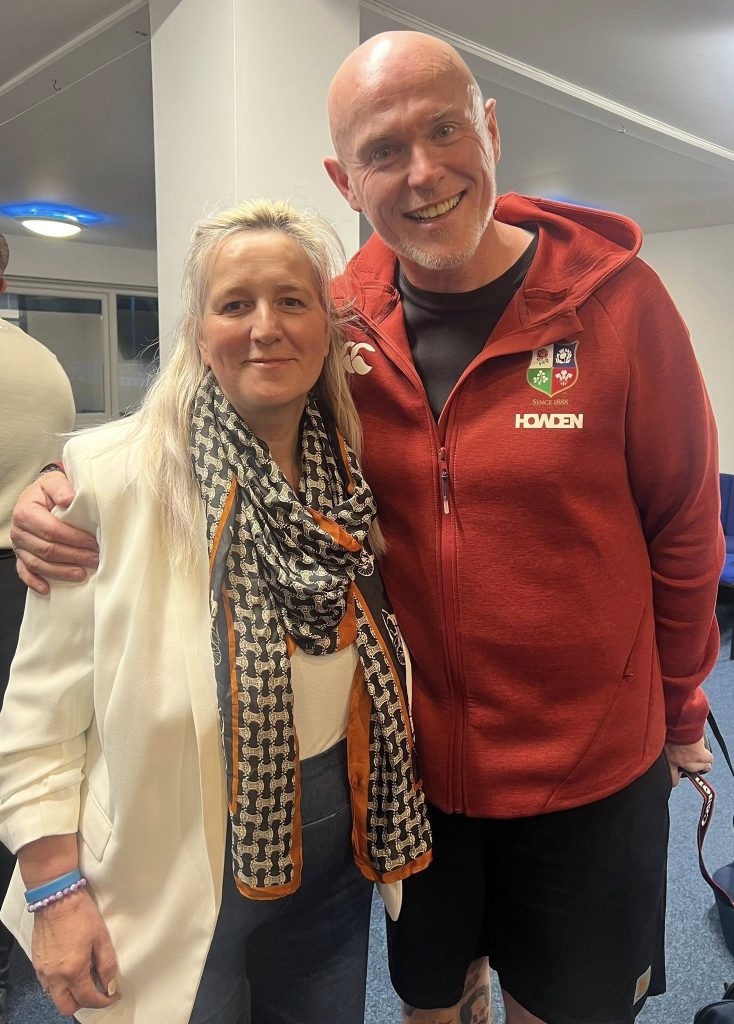
By the end of the evening, an impressive £605.28 had been raised for Megan’s Starr Foundation, a Pembrokeshire charity which supports young people and families facing difficult circumstances.
For Nicola Harteveld and the Megan’s Starr team, the evening was about far more than football.
Speaking after the match, Nicola said: “As the final whistle blew, the score almost became irrelevant.

“Last night was about community, kindness, generosity and what can happen when people come together to support local young people and families.”
She added: “Last night showed the very best of our county. We are incredibly grateful, incredibly proud and above all proud to be Pembrokeshire.”
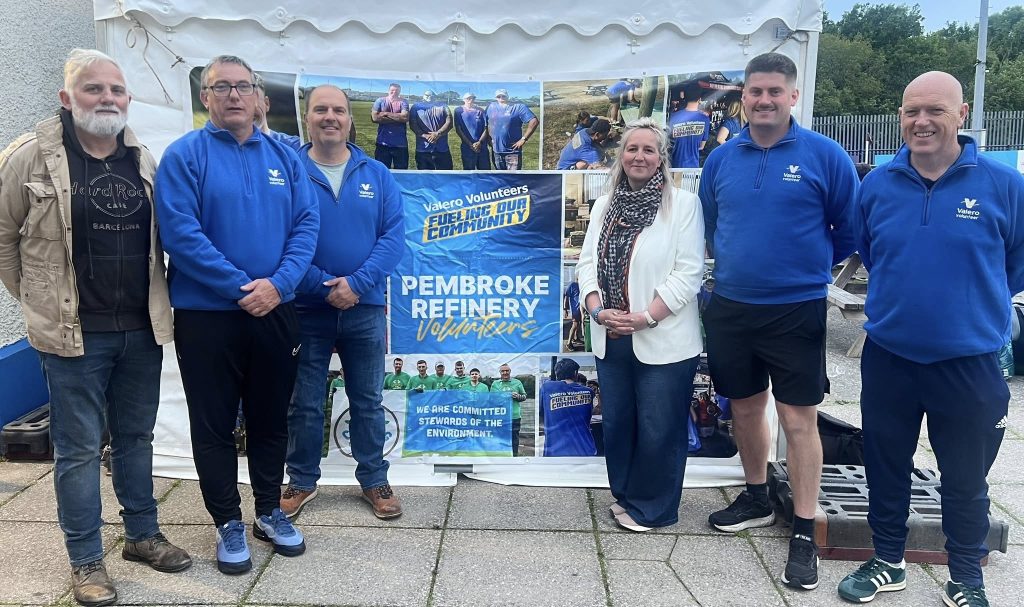
The charity thanked Valero Pembroke Refinery for nominating Megan’s Starr as the supported cause and fielding a team led by Steve Parks, while also recognising the refinery’s volunteers who helped behind the scenes.

Credit was also paid to Chris “Sully” O’Sullivan and everyone involved with the Pembrokeshire Select XI for organising the county side, along with players from clubs across Pembrokeshire who gave up their time during the close season to take part.

Haverfordwest County AFC opened the Ogi Bridge Meadow for the match, while Pure West Radio helped create the atmosphere and promote the event across the county.
Darth Marty Media captured the evening’s action, while officials from the Pembrokeshire Referees Association volunteered their time to ensure the match was played in the right spirit.
On the field, spectators were treated to an entertaining encounter featuring quality football from both sides despite the summer break.

Jimmy Wilkes proved the star of the show, scoring a hat-trick to earn Man of the Match honours for the Pembrokeshire Select XI.
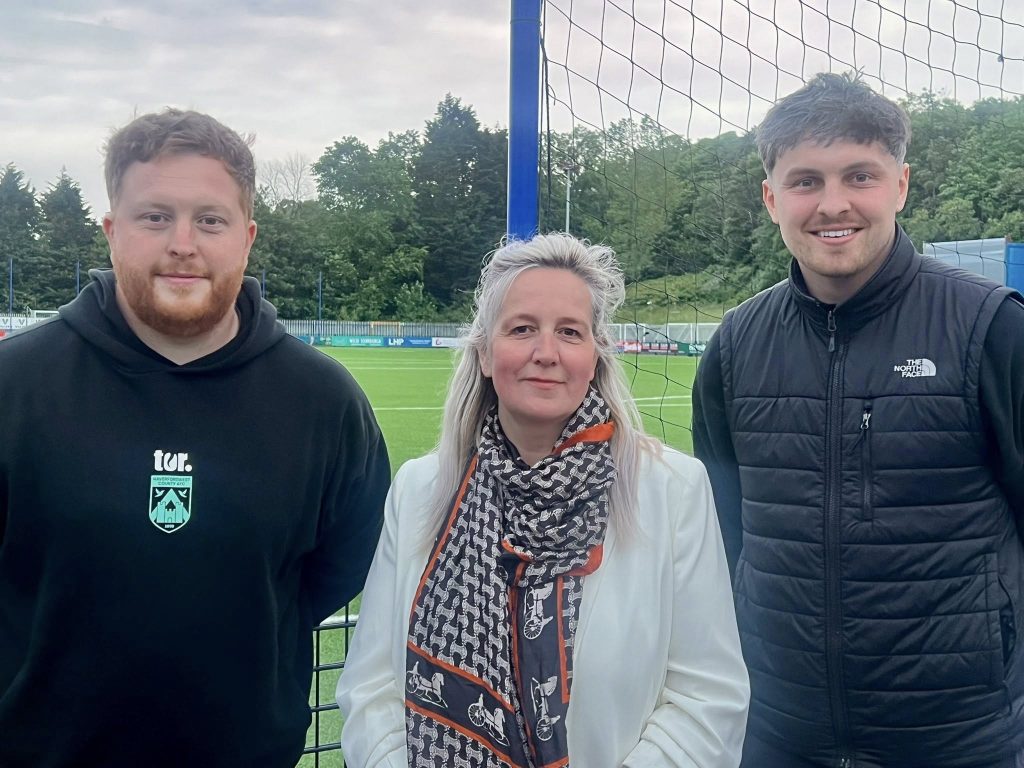
However, organisers stressed that the event highlighted something far bigger than football — the willingness of Pembrokeshire people to rally together when it matters.
Megan’s Starr Foundation said it receives no core funding and relies heavily on the generosity of local people, businesses and volunteers to continue its work.
Photos: Darth Marty Media / Megan’s Starr Foundation



Festival site in Llantwd is taking shape ahead of the National Eisteddfod’s arrival in Pembrokeshire from August 1 to 8
WORK is well underway to transform fields at Llantwd into the Maes for this year’s National Eisteddfod, with a new creative team leading preparations for Wales’s largest cultural festival.
Visitors can expect a fresh layout and a range of new spaces and experiences when Eisteddfod y Garreg Las opens its gates next month.
Llwyfan y Maes and Mas ar y Maes will have a different look and feel, while new areas including Llwyfan Llên and the Tebot Hud are being introduced to add to the festival atmosphere.
Preparations began in mid-June and are being led for the first time by Angharad Davies, the Eisteddfod’s Head of Operations and Production.
Her role covers every aspect of creating the temporary festival site, from installing y Pafiliwn and coordinating contractors to arranging electricity, water supplies, access routes, toilets and other essential services.
Angharad joined the Eisteddfod team shortly before last year’s festival in Wrexham, but this is the first time she has been involved in developing the Maes from a blank canvas.
She said: “We’re looking forward to seeing everyone on the Maes this year. It’s been an exciting opportunity to rethink how the site works.
“Our aim is to create a Maes that feels vibrant while keeping that sense of community that makes the Eisteddfod so unique.
“We have to think about everything, from the large structures, stages and cabins to water and electricity supplies, access routes, toilets and all the smaller details that ensure the Maes works.”
Angharad brings extensive experience in theatre, festivals and major events to the role.
After studying at the Royal Welsh College of Music and Drama in Cardiff, she worked in theatre and at events including Glastonbury and the Edinburgh Festival Fringe, as well as on international productions.
She later spent several years planning and producing shows for Theatr Cymru.

Angharad has been working alongside Cordelia Ashwell, of Decordia, who has played a central role in developing the creative vision for this year’s Maes.
Cordelia is also a graduate of the Royal Welsh College of Music and Drama, and the pair have combined their production experience with local knowledge and suppliers from the Garreg Las area.
Their designs aim to make the most of the site’s location, with views towards the Preseli Mountains forming a natural backdrop to the festival.
Cordelia said: “Working on the Eisteddfod has been a special experience and has made me prouder than ever of my Welsh heritage.
“It has been a privilege to collaborate with local students and businesses, and to see their excitement at being part of such an amazing project and having the Eisteddfod on their doorstep.
“It’s really important to us that the Maes reflects the local area. We have a fantastic team from the Garreg Las area working with us, and that makes a huge difference.”
Angharad described the project as being similar to building a temporary town.
She said: “Everything needs to come together at the right time and in the right place, and its success depends on great teamwork and people who are willing to go above and beyond.
“I’m very proud of the team. Everyone is doing their best, and it is a privilege to lead this work.
“Our aim is to create a Maes that functions well, looks fantastic and gives everyone a very warm croeso.”
Eisteddfod y Garreg Las takes place at Llantwd, Pembrokeshire, from August 1 to 8.
Further information is available from the National Eisteddfod website.
Picture caption:
Angharad Davies and Cordelia Ashwell on the Maes ahead of Eisteddfod y Garreg Las 2026.

Teulu Wellbeing will offer free and reduced-cost sessions to families facing anxiety, bereavement, trauma and other emotional challenges
CHILDREN and young people across Pembrokeshire will be able to access free and subsidised play therapy following a National Lottery Community Fund award.
Teulu Wellbeing & Child Therapy CIC says the funding will help remove financial barriers for families who may otherwise struggle to access specialist therapeutic support.
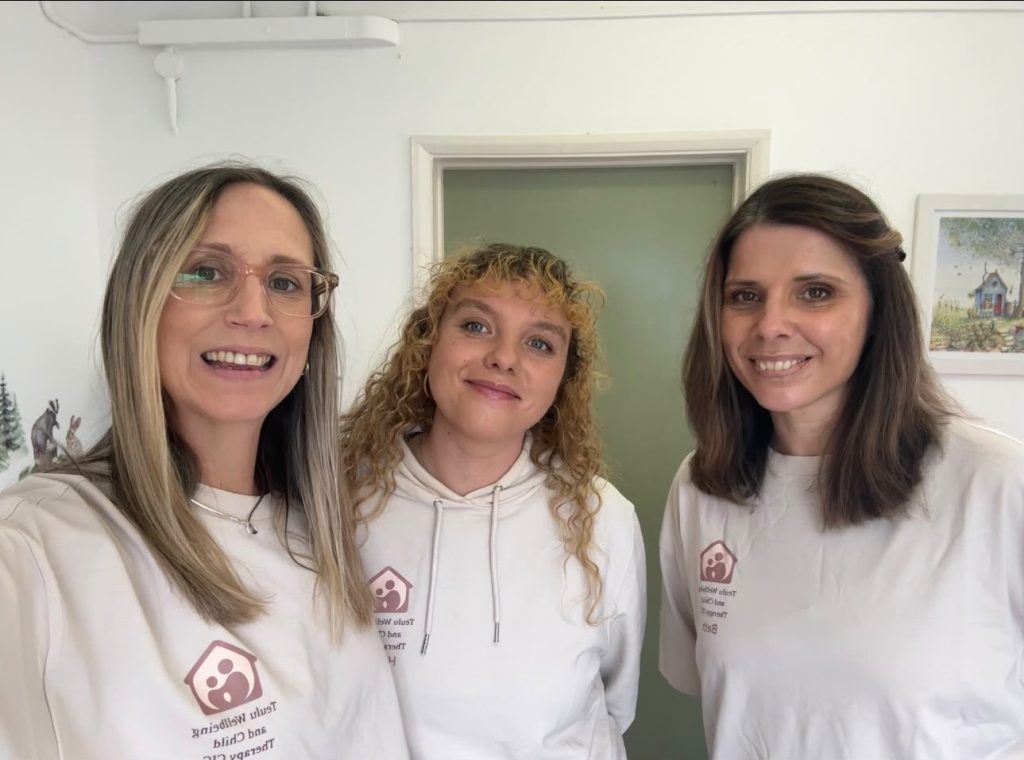
The project will support children experiencing anxiety, bereavement, trauma, family change, emotional difficulties and other challenges affecting their mental health and wellbeing.
Teulu Wellbeing was founded by qualified play therapists Beth Job, Harriet Carr and Jackie Burns with the aim of making early therapeutic intervention available to children regardless of their family’s financial circumstances.
The Pembrokeshire-based community interest company works with children, parents, carers, schools and other professionals to help young people build resilience, confidence and emotional wellbeing.
Play therapy uses play as a way for children to communicate feelings, process difficult experiences and develop healthier coping strategies in a safe and supportive environment.
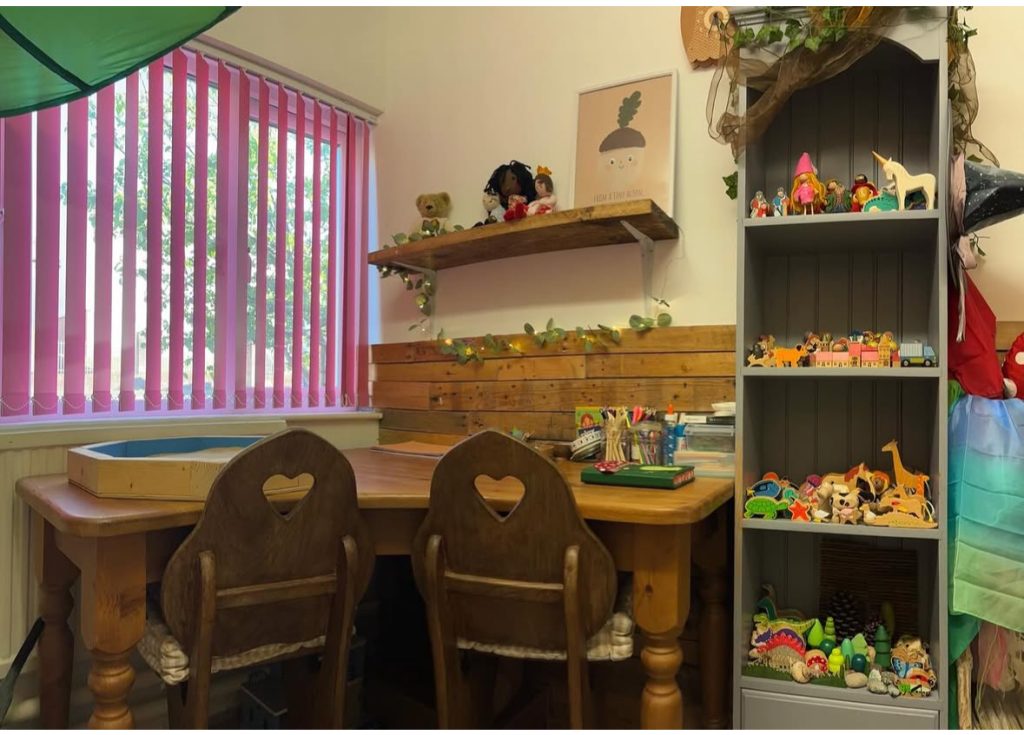
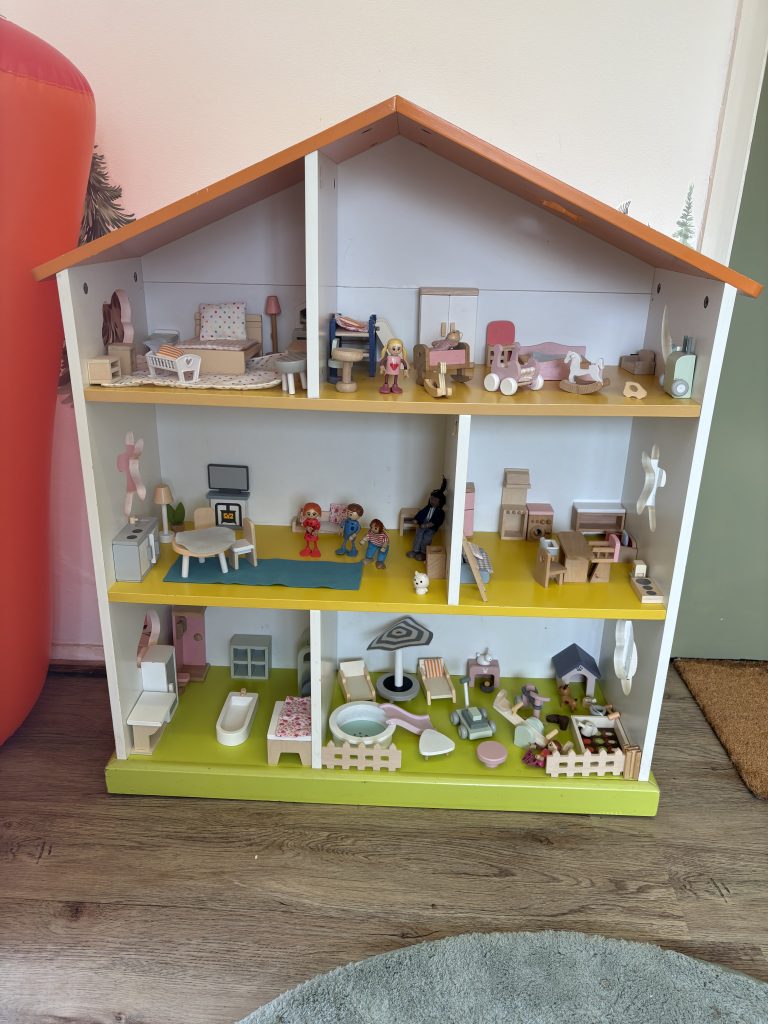
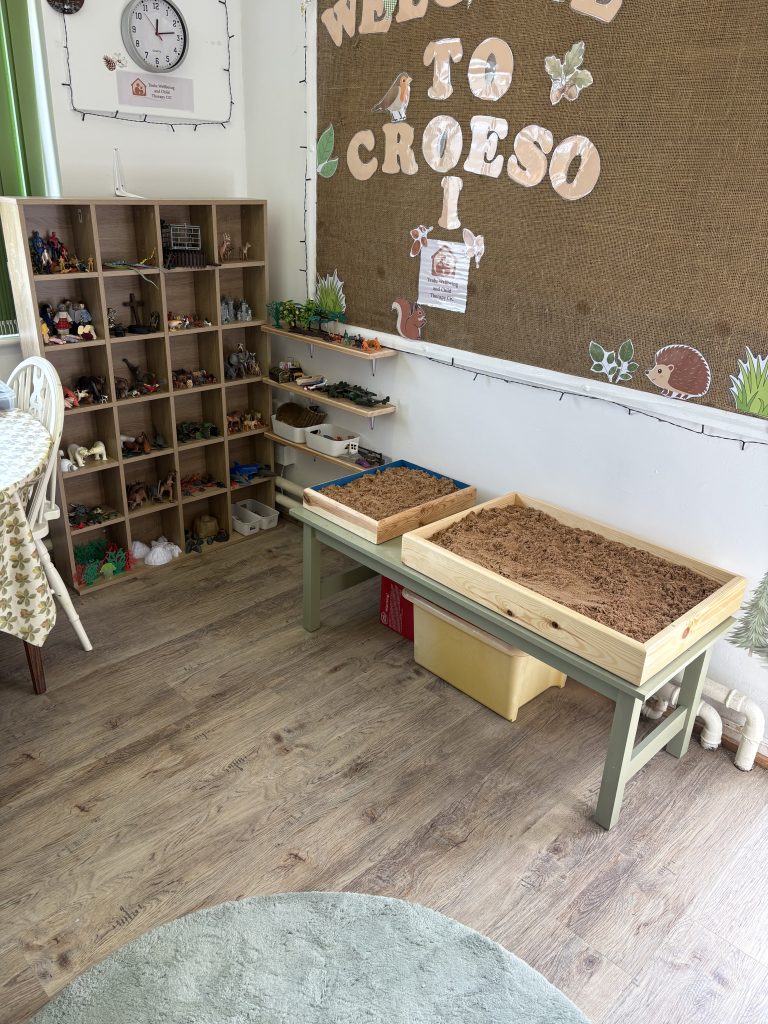
A spokesperson for Teulu Wellbeing said: “We know that many families are facing increasing pressures, and accessing mental health support can often feel out of reach.
“Thanks to National Lottery funding, we are able to remove financial barriers and offer children the opportunity to receive specialist therapeutic support when they need it most.
“Our vision is simple: every child deserves the chance to feel safe, heard and understood.
“This funding means we can reach more children at the earliest opportunity and provide support that can make a lifelong difference for children, young people and their families.”
The organisation hopes the scheme will improve children’s emotional wellbeing, strengthen family relationships and reduce inequalities in access to mental health support across Pembrokeshire.
Families are being encouraged to contact Teulu Wellbeing to enquire about funded or subsidised sessions.

Fully funded places will be limited and subject to an eligibility assessment to ensure support reaches children and families with the greatest need.
Reduced-cost sessions will also be available to families who do not meet the criteria for fully funded therapy.
Teulu Wellbeing thanked National Lottery players for making the project possible.
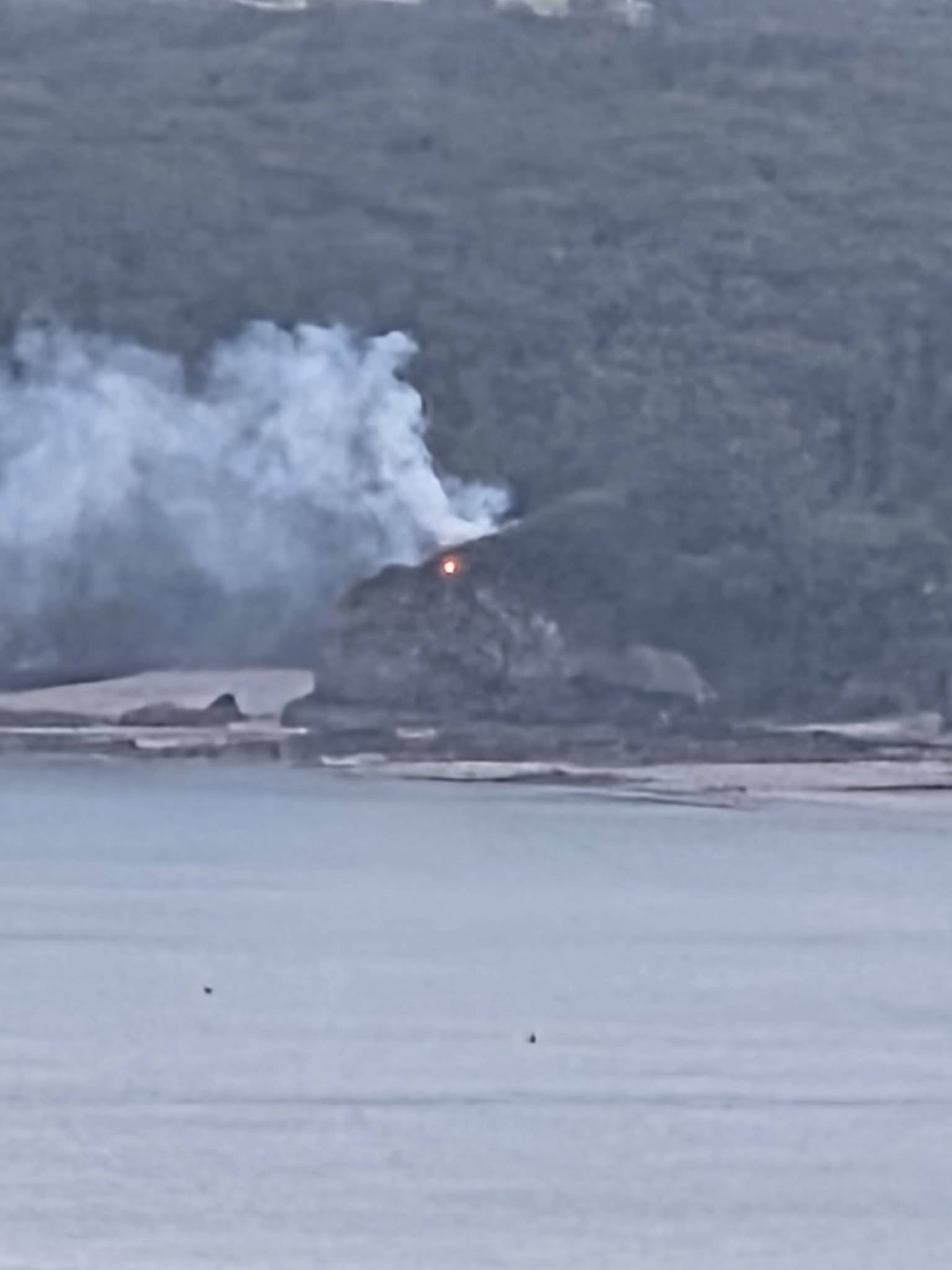
Eyewitnesses reported hearing an explosion before flames spread into dry vegetation on the wooded coastline
FIREFIGHTERS have responded to a blaze on the coastline near Saundersfoot Harbour this evening, Sunday (Jul 26).
Smoke could be seen rising from the wooded area around Glen Beach, to the west of the harbour, as crews made their way to the scene.
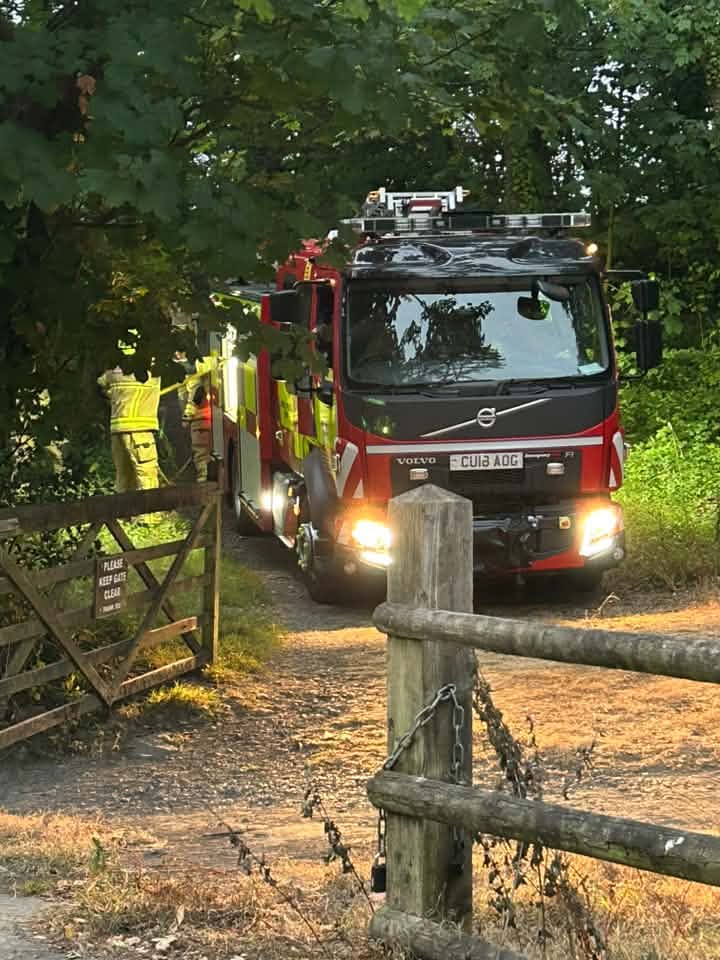
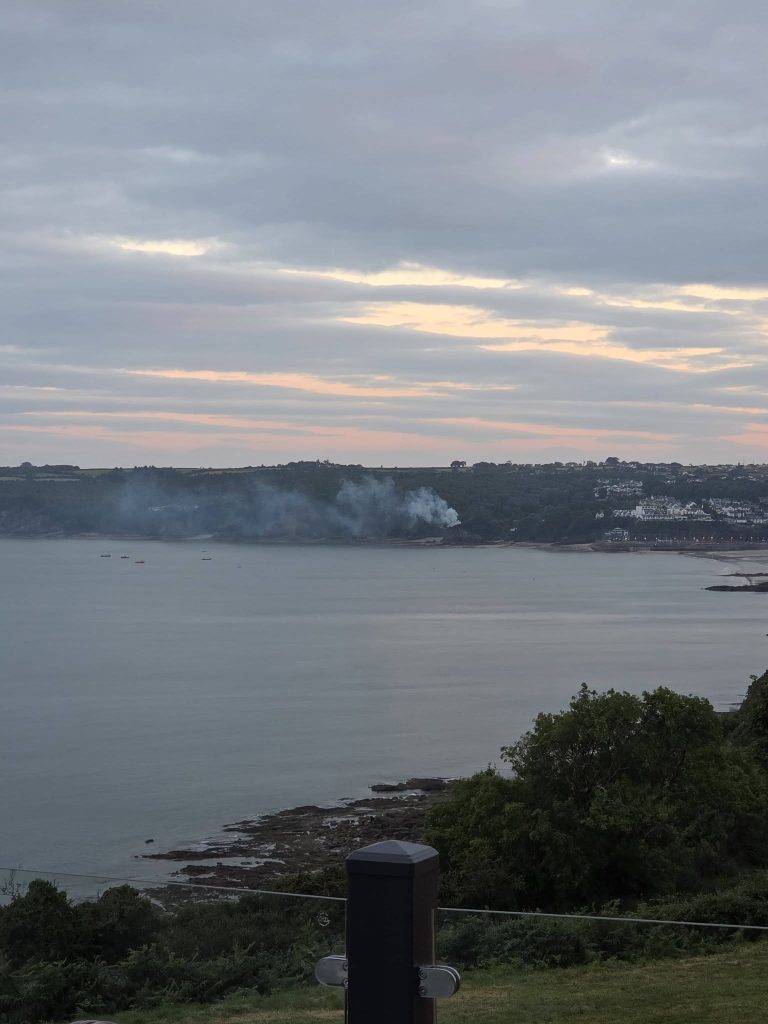
Pictures supplied to The Herald show a fire engine accessing the area along a narrow track, while a visible pocket of flames continued to burn among vegetation close to the shoreline.
One eyewitness claimed that a barbecue had been taking place on the beach before an explosion was heard and the fire began spreading up the cliff in the direction of Rhodewood. That account has not yet been officially confirmed.
Two fire appliances were reported to be in attendance, with residents praising the speed of the emergency response.
The ground across Pembrokeshire remains exceptionally dry, increasing the risk of vegetation fires spreading rapidly.
There have been no confirmed reports of injuries.
The Herald has approached Mid and West Wales Fire and Rescue Service for further information. No official incident statement was visible on the service’s online newsroom when checked.
Pictures: Karen Morey


Community7 hours ago
New creative team transforms the Maes ahead of Eisteddfod y Garreg Las
Festival site in Llantwd is taking shape ahead of the National Eisteddfod’s arrival in Pembrokeshire from August 1 to 8...


Community9 hours ago
From Tenby to Llandudno: Wales’ seaside towns face the same signal crisis
Businesses in two of Wales’s busiest resorts say unreliable mobile coverage is disrupting payments, bookings and everyday life TWO of...


Crime10 hours ago
Judge orders Dyfed-Powys Police review after £3,912 fraud error
Force responsible for policing Pembrokeshire criticised after an officer understated the amount stolen from a vulnerable care-home resident A JUDGE...


Community1 day ago
Narberth bursts into colour as carnival brings Civic Week to spectacular close
Crowds lined the streets for an afternoon of floats, fancy dress, music and family entertainment at one of Pembrokeshire’s longest-running...

Community1 day ago
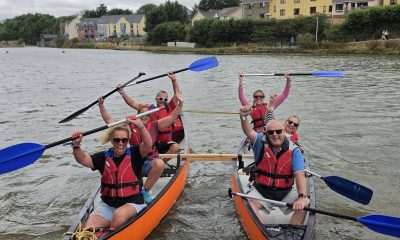
More than 100 racers take to Castle Pond for Paddle West’s inaugural regatta
Successful community event raised money for Forever11 and launched three consecutive weekends of waterside activity in Pembroke MORE than 100...

News1 day ago
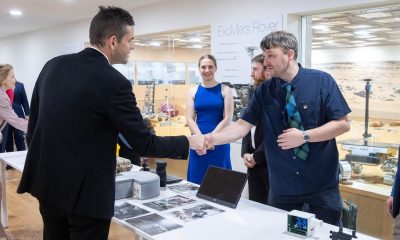
NASA chief meets west Wales scientist helping search for life on Mars
Aberystwyth-led technology will guide Europe’s first Mars rover as it drills beneath the planet’s surface, while the proposed DARC radar...

News3 days ago
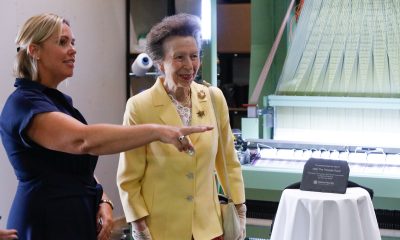
Princess Royal celebrates Pembrokeshire craftsmanship at family-run weaving mill
A Pembrokeshire business that began after a mother grew tired of waiting three weeks for her children’s name tapes has...


Local Government3 days ago
Burger King could be coming to Haverfordwest as plans submitted
Plans have been lodged for a Burger King outlet at the Morrisons petrol station on Bridge Meadow Lane BURGER KING...


Crime4 days ago
Murder investigation launched into death of Pembrokeshire man in 1991
A 67-YEAR-OLD man has been arrested on suspicion of murder after new potential evidence emerged in connection with a death...


Community4 days ago
‘Paying £29 to reach a cashpoint is absurd’: Narberth’s urgent ATM appeal
Residents, businesses and visitors are being urged to provide evidence after two High Street cash machines were removed, leaving the...
-

 Health1 day ago
Mental health crisis ‘place of safety’ could be centralised in Carmarthen
-

 News1 day ago
Welsh Government renews call for justice and policing powers to be devolved
-

 Community2 days ago
Pembrokeshire biker, 75, keeps exploring with wheelchair in tow
-
Community1 day ago
More than 100 racers take to Castle Pond for Paddle West’s inaugural regatta
-
Community1 day ago
Narberth bursts into colour as carnival brings Civic Week to spectacular close
-
 Entertainment1 day ago
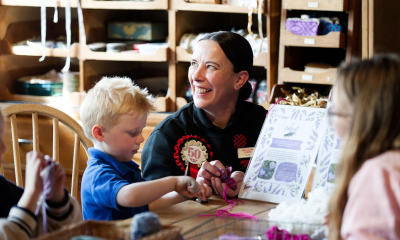
National Wool Museum marks 50th birthday with summer of family fun
-

 News1 day ago
Urgent action demanded over threat of delay to Port Talbot’s new steel furnace
-
 News1 day ago
Royal visit, Welsh choir debut and shearing victory among Royal Welsh Show highlights