


News
Thomas Cook air hostess speaks to The Herald about her journey

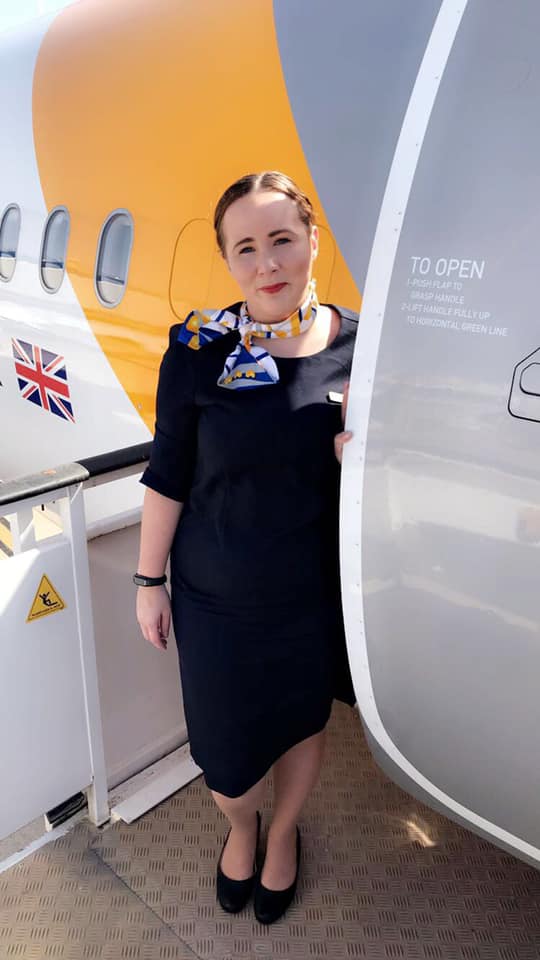
WITH grounded flights and cancelled holidays, it’s been a stressful time since the collapse of Thomas Cook on Monday (Sept 24), especially for the cabin crew and pilots who have lost their jobs.
Bethan Phillips, 25, who grew up on the Mount Estate, was an air hostess for Thomas Cook for two years and has been taking part in rescue flights to help stranded Brits get home. She said the firm will be doing this until the end of October, and she is receiving no pay for the work she is putting in since Thomas Cook went into liquidation.
Speaking to The Herald, Bethan said: “We turned up to work to find planes had been impounded. We weren’t given any notice and found out on the news that we longer had a job! We had no communication from Thomas Cook other than an email telling us a conference call would be held at 10 am.
We’re all upset, and people have lost their mortgage, some of the cabin crew are married to pilots so now they both are jobless.”
On September 8, Bethan was pictured with a 73-year-old man, who had been awarded a certificate for his first flight. At that point, she had no idea Thomas Cook was in trouble.
The first Bethan knew about the loss of her job, was a post by the Civil Aviation Authority on Twitter, which said: “Thomas Cook Group, including the UK tour operator and the airline, has ceased trading with immediate effect. All Thomas Cook bookings, including flights and holidays, have now been cancelled.”

Just one hour after the news broke at 2 am, Bethan received a text to say that the flight she was supposed to be boarding at 4 am, had been ‘delayed’. The message read: “MT1062 BRS MAH. Your flight is delayed to 08:20Z. Cabin Crew report at 06:50Z.
Please be advised that your flight is delayed as per check-in times are given. We fully expect your flight to operate as normal (with the relevant delay). Please ONLY contact Crewing with questions relating directly to the operation. Any queries regarding the future of the business will be addressed by your cabin crew management in due course.”
It wasn’t long after that she received an email containing details of a conference call regarding an ‘important business update’ in light of the morning’s news, with a ‘full update’ on what will happen next. The call was listened to only.
Bethan said: “The conference call was seven minutes long, which said ‘We are sorry we couldn’t get a deal, we advise you to sign on ASAP, and letters will be sent and you can claim payment from the government’. That was all we had. The communication was shocking. They just don’t care.”

She continued: “We’ve been out on rescue flights to get people who are stranded – this is going to go on until the end of October. We aren’t being paid for it.
“A percentage of us are trained on Smartlynx – this is a company we lease aircrafts to for use their flight crew, and then you have Thomas Cook cabin crew. They said the cabin crew who are trained by Smartlynx will get paid but the others won’t be.”
Bethan added that there are cabin crew currently stuck in Cuba and can’t get home.

The general feeling around those who worked with Bethan at Bristol airport is upset and anger, especially after the UK Managers have already been contracted for their sister company.
The sister company, Thomas Cook Condor, has been saved by the UK bosses: A company that the cabin crews have put extra work into to help get off the ground.
Bethan finished, saying: “We have been working for months helping Condor out in Germany because they haven’t had any staff. Their crew didn’t want to work over Christmas either, so our crew went out for three weeks to help.
We’re supposed to be ‘One Thomas Cook’, but we’ve seen posts from our bosses saying they’re happy to have freed themselves from the UK brand. I don’t know if they realise we can still see what they’re posting on our group online.”









POLICE are investigating reports of criminal damage in Haverfordwest after suspected metal ball bearings were used to damage a vehicle and a property.
Dyfed-Powys Police said damage was caused to the wing mirror of a blue Range Rover Evoque on Glenfields Road sometime between 11:10am and 11:20am on Sunday, May 10.
Officers believe metal ball bearings may have been used.
A second incident was reported at around 2:30pm on Tuesday, May 12, when the window of a property on Glenfields Road was allegedly struck by a suspected metal ball bearing.
Police said local officers are continuing to speak with residents after receiving a number of calls about ball bearings being found in the Glenfields Road and Old Hakin Road areas.
Anyone who witnessed anything, or who has information that could help the investigation, is asked to contact Dyfed-Powys Police online, by emailing [email protected], or by calling 101.
Information can also be given anonymously to Crimestoppers on 0800 555 111 or via crimestoppers-uk.org.
Quote reference: 26*375605.

A VEHICLE involved in a late-night single-vehicle crash in Waterston, Milford Haven, is believed to have been stolen, police have confirmed.
Dyfed-Powys Police said officers received a report of the collision at around 11:55pm on Sunday (May 17).
The vehicle was recovered at approximately 1:15am on Monday (May 18), but nobody was found at the scene.
Following enquiries, police established that the vehicle had reportedly been stolen at some point during Sunday evening.
Officers said enquiries into the incident are ongoing.
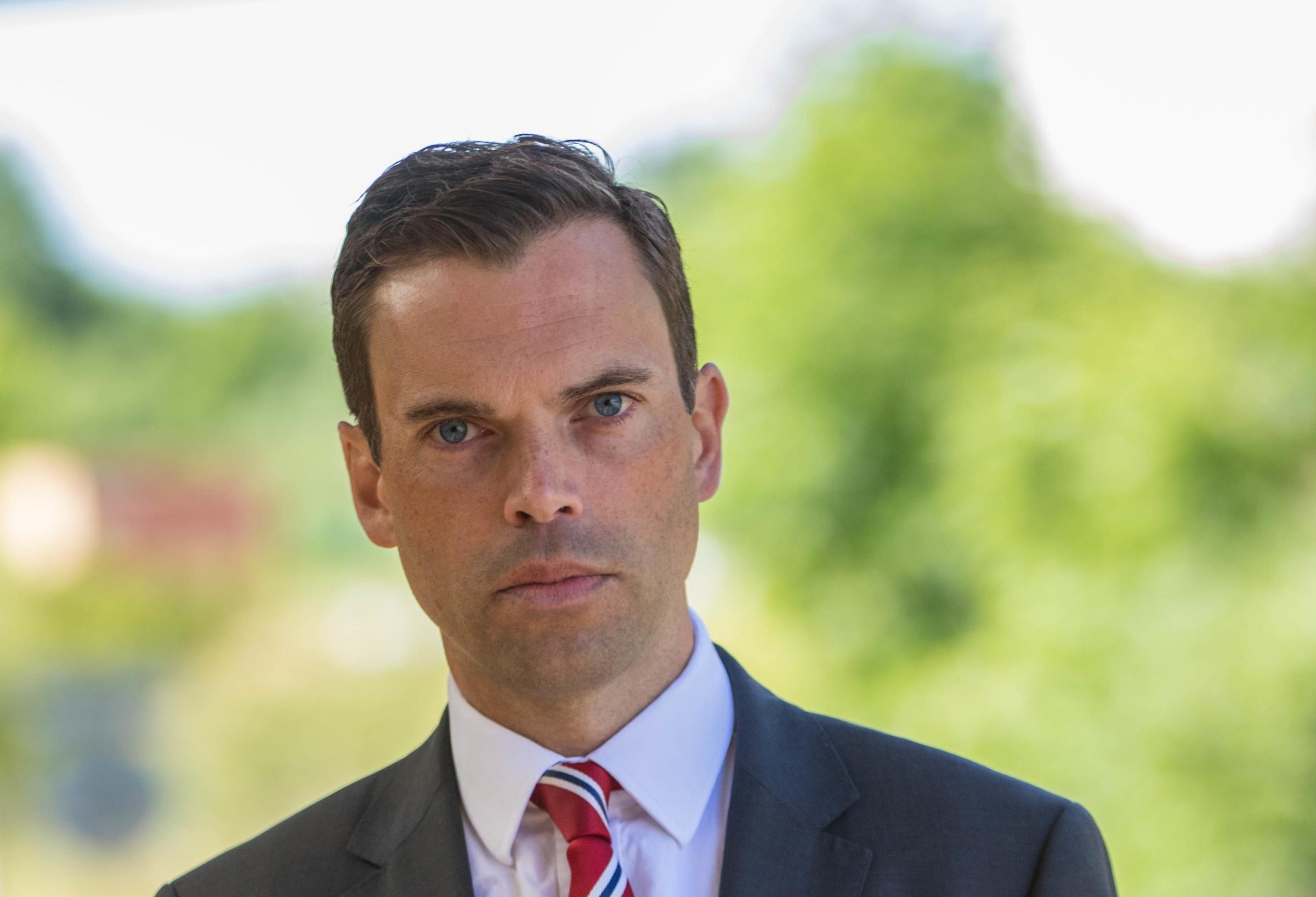
Ken Skates says group will focus on holding new Welsh Government to account
INTERIM Welsh Labour leader Ken Skates has unveiled the party’s Senedd spokesperson team following its defeat in the recent election.
Mr Skates will act as interim leader of Welsh Labour and spokesperson for health, care and national security.
He said the Labour group would draw on “extensive experience” while bringing “fresh energy and ideas” to its work in opposition.
The party said its Senedd group was committed to holding the new Welsh Government to account and pushing for practical results for the people of Wales.
Jayne Bryant MS has been appointed spokesperson for housing, communities, public and preventative health, with women’s health also included in her brief.
Mike Hedges MS will cover culture, sport, local government and legislation.
Vikki Howells MS becomes Chief Whip and spokesperson for environment, farming, energy and transport. Her portfolio also includes planning.
Lynne Neagle MS has been named Business Manager and spokesperson for children, education and lifelong learning.
Shav Taj MS will cover employment, equalities and economic transformation, including social partnership.
Huw Thomas MS has been appointed spokesperson for finance, democracy, citizenship and the Welsh language. Regional and city deals will also fall within his brief.
Welsh Labour said Sarah Murphy’s portfolio will be announced when she returns from maternity leave.
A photo call with the Welsh Labour Senedd Group is due to take place in Cardiff Bay on Tuesday (May 19), although no interviews will be available.




Crime14 hours ago
Stolen vehicle investigation after late-night crash in Waterston
A VEHICLE involved in a late-night single-vehicle crash in Waterston, Milford Haven, is believed to have been stolen, police have...


Community20 hours ago
Paul Davies MS calls for review of parking charges in Ceredigion following concerns
SENEDD Member for Ceredigion Penfro, Paul Davies, has called on Ceredigion County Council to urgently review its policy on car...

Crime22 hours ago
Former Lostprophets singer’s killing ‘not justified’, jury told
JURORS in the trial of two prisoners accused of murdering former Lostprophets singer Ian Watkins have been told that his...


Health2 days ago
Occupational therapists urge Welsh Government to act before NHS crisis deepens
More than 300 professionals sign open letter calling for prevention-focused care and urgent reform OCCUPATIONAL therapists across Wales are urging...

Community3 days ago
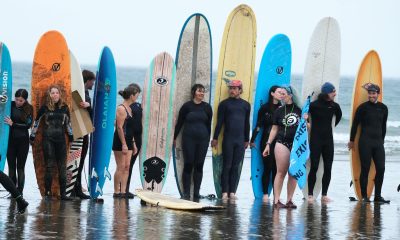
Surfers take sewage protest to Broad Haven beach
CAMPAIGNERS took to the sea at Broad Haven today in a colourful protest demanding urgent action over sewage pollution in...

Health3 days ago
New NHS regional body raises questions over future hospital services in Pembrokeshire
Health bosses promise better joined-up care — but patients will want assurances over Withybush and travel distances PEMBROKESHIRE patients are...

Local Government4 days ago
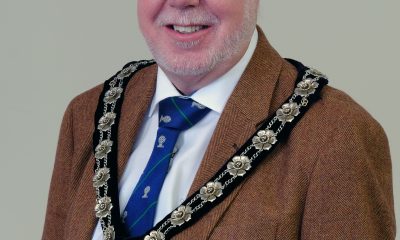
Pembrokeshire County Council welcomes new chairman
CLLR DELME HARRIES has been elected chairman of Pembrokeshire County Council for the coming municipal year. Cllr Harries, who was...

News4 days ago
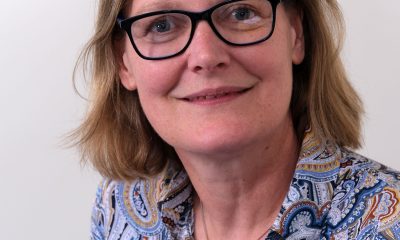
From Milford Mercury to County Hall for Pembrokeshire’s first female leader
Late councillor Mike Stoddart helped hold power to account for decades — now his daughter Tessa Hodgson leads the council...


Business4 days ago
Port reports record turnover, but debt, emissions and senior pay also rise
Annual report shows strong growth and major investment, but underlying figures reveal a more complex picture THE PORT OF MILFORD...


Community4 days ago
DARC radar: Campaigners ask Welsh Government to call in planning application
PARC AGAINST DARC has submitted an official request asking the new Welsh Government to call in the planning application for...
-

 News4 days ago
Palestine pledge backed by 36 new Senedd Members
-
Community3 days ago
Surfers take sewage protest to Broad Haven beach
-

 Crime6 days ago
Teenager banned from roads after being caught six times over drug-drive limit
-
 Crime6 days ago
Man threatens to torch Silverdale Lodge through ‘demon drink’, court hears
-
 Crime6 days ago
Man sentenced for stalking women and threatening to torch home
-

 Crime6 days ago
Violent man jailed after ‘Banksy’ claims and campaign of domestic abuse
-

 Crime6 days ago
Man denies exposure in Pembrokeshire town
-

 Crime6 days ago
Drunk motorist arrested at Pembrokeshire petrol station