


Farming
New panel to advise on animal health and welfare

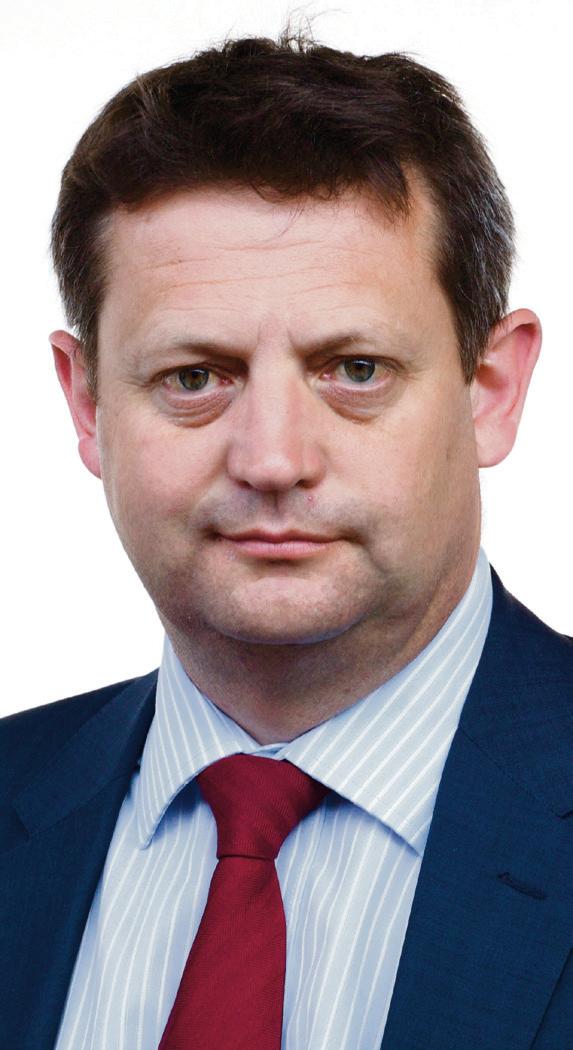
 NATURAL Resources Minister, Alun Davies, has appointed a group of specialists to support the development and introduction of a new Animal Health and Welfare Framework for Wales.
The team of experts will advise the Welsh Government on the prevention, management and eradication of animal disease to improve the health and welfare of both livestock and companion animals in Wales. The panel members are from a range of backgrounds. They have been appointed to ensure that the views of livestock keepers, animal owners and the veterinary profession are reflected in the ten-year framework that seeks to improve animal health and welfare standards across Wales and increase partnership working with animal keepers. Anglesey Farmer, Peredur Hughes has been appointed chair of the group. As former chair of the Animal Health and Welfare Strategy Steering Group, chairman of the North Wales Regional TB Eradication Board and former president of NFU Cymru, Mr Hughes has extensive knowledge of Welsh farming. The other group members are: • David Davies, who runs a farming enterprise and property letting business. Mr Davies is also chairman of the Welsh Advisory Board of NFU Mutual Insurance and former president of the Welsh Dairy Show. • Huw Davies, who manages a 280 acre National Trust tenanted hill farm. Mr Davies also serves on various committees and is Chair of the Ruminant Standing Committee of the Farm Animal Welfare Committee. • Moss Jones, director of the Welsh Agricultural Organisation Society and managing director of Quality Welsh Food Certification Ltd. Mr Jones is also company secretary of Welsh Lamb & Beef Producers Ltd, Livestock Marketing and president of South Caernarfon Creameries. • Ifan Lloyd, veterinary surgeon in clinical practice and a senior partner of a veterinary group with surgeries in Swansea and Neath. Mr Lloyd is the Welsh representative on the British Veterinary Association (BVA) Council. • Professor Joanna Price, Head of Bristol University Veterinary School involved in teaching, administration and research. Professor Price has spent time in veterinary practice in the UK and overseas and has held a variety of academic positions, including Head of Department of Veterinary Basic Sciences at the Royal Veterinary College, London. Speaking about the appointments, Alun Davies said: “I am delighted to announce the members of the new Wales Animal Health and Welfare Framework Group. “Collectively, the group offers vast knowledge and experience of animal health and welfare issues. I am confident that they will provide the very best guidance, advice and expertise and help us to develop our vision for the future of animal health and welfare in Wales.” Chief Veterinary Officer for Wales, Professor Christianne Glossop said: “Disease outbreaks and the measures to deal with them can carry wide and costly consequences for public health, the economy and the environment. Achieving high standards of animal health and welfare is important to all of us. “That is why we have established this group of specialists. I look forward to working with them and to benefitting from to their valuable advice on disease prevention and eradication in Wales.”.

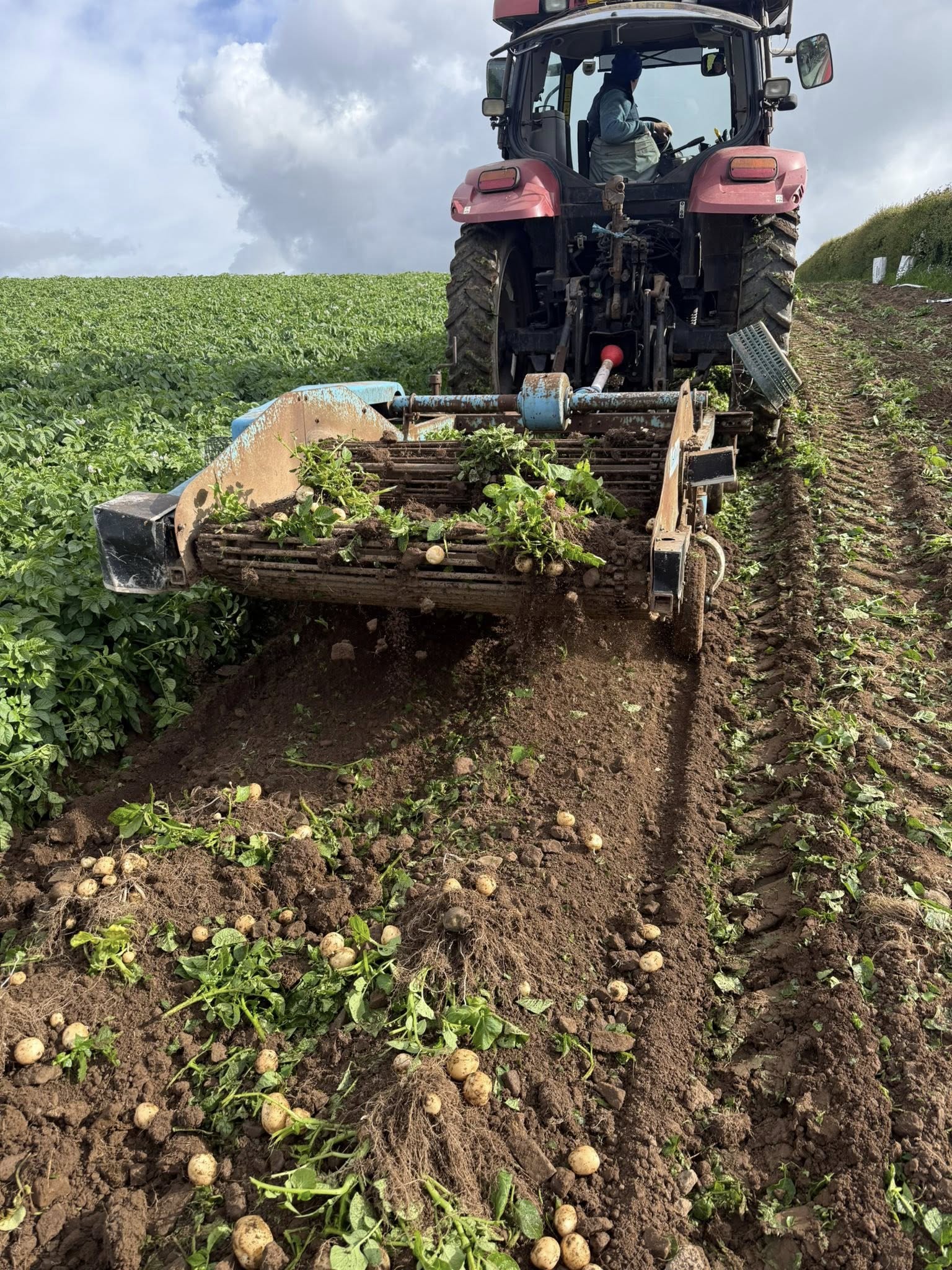
Locally grown early potatoes arrive in stores as farmers begin lifting the first Pembrokeshire crop of 2026
PEMBROKESHIRE’S famous new potato season has officially begun, with the first crop of locally grown potatoes being harvested and delivered to shops across the county.
Farmers at Norton Farm began lifting the first Pembrokeshire new potatoes of the year this week, with the freshly harvested crop expected to reach local stores by Friday morning.
The arrival of Pembrokeshire new potatoes marks the unofficial start of the county’s summer growing season and is eagerly anticipated by shoppers keen to enjoy one of Wales’ best-loved seasonal foods.
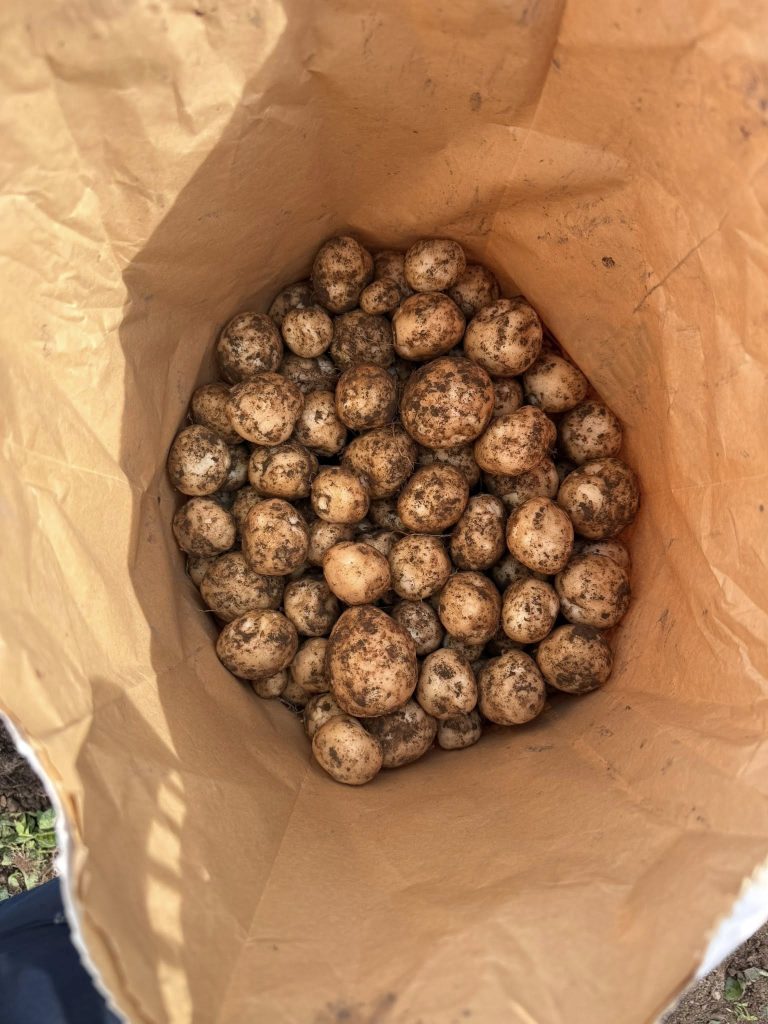
Photographs shared by the farm show workers hand-picking potatoes from freshly turned soil as machinery lifted the crop from fields overlooking the Pembrokeshire countryside.
The potatoes, prized for their distinctive flavour and soft skins, benefit from the county’s mild climate and coastal growing conditions.

Brian Llewelyn a’i Ferched shared the news on social media, telling customers: “Arriving with us this afternoon!!!!” as excitement builds around the first deliveries.
Locally grown Pembrokeshire new potatoes are expected to be available in selected shops from around 10:00am on Friday.
For many in Pembrokeshire, the arrival of the first new potatoes is a sign that summer is just around the corner — and that it is finally time to get the butter on.
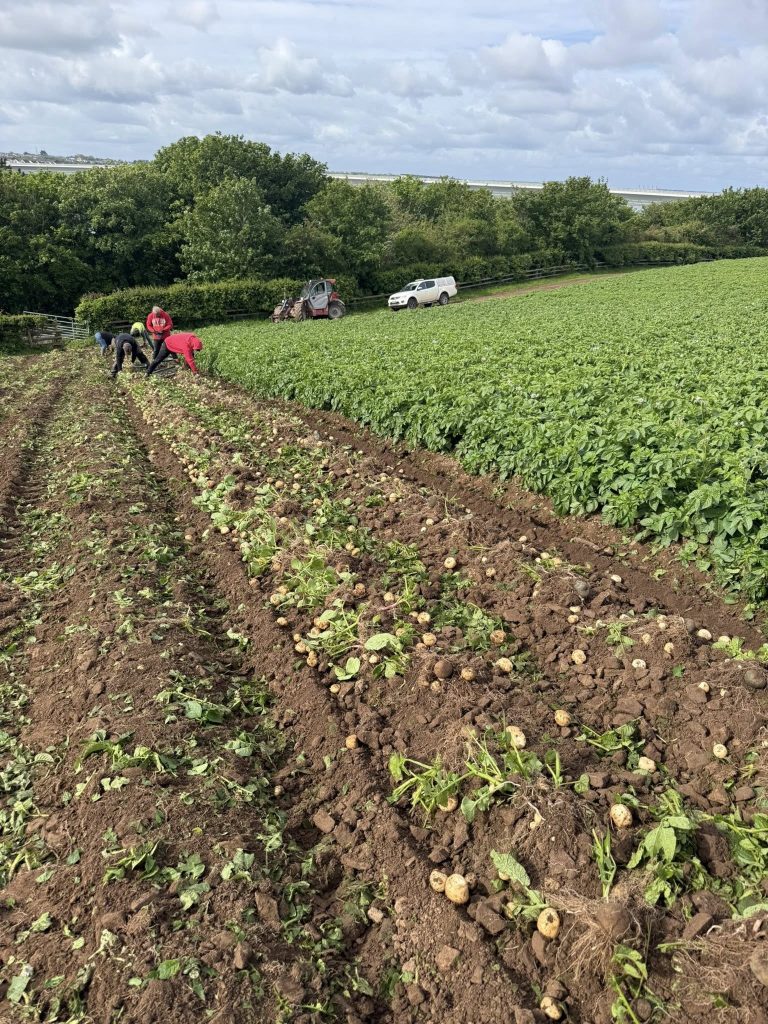
Photo caption:

First crop: Workers begin lifting Pembrokeshire new potatoes at Norton Farm as the 2026 harvest season gets underway (Pics: Norton Farm).
LOCAL FOOD PRODUCERS GIVEN NEW MONTHLY PLATFORM
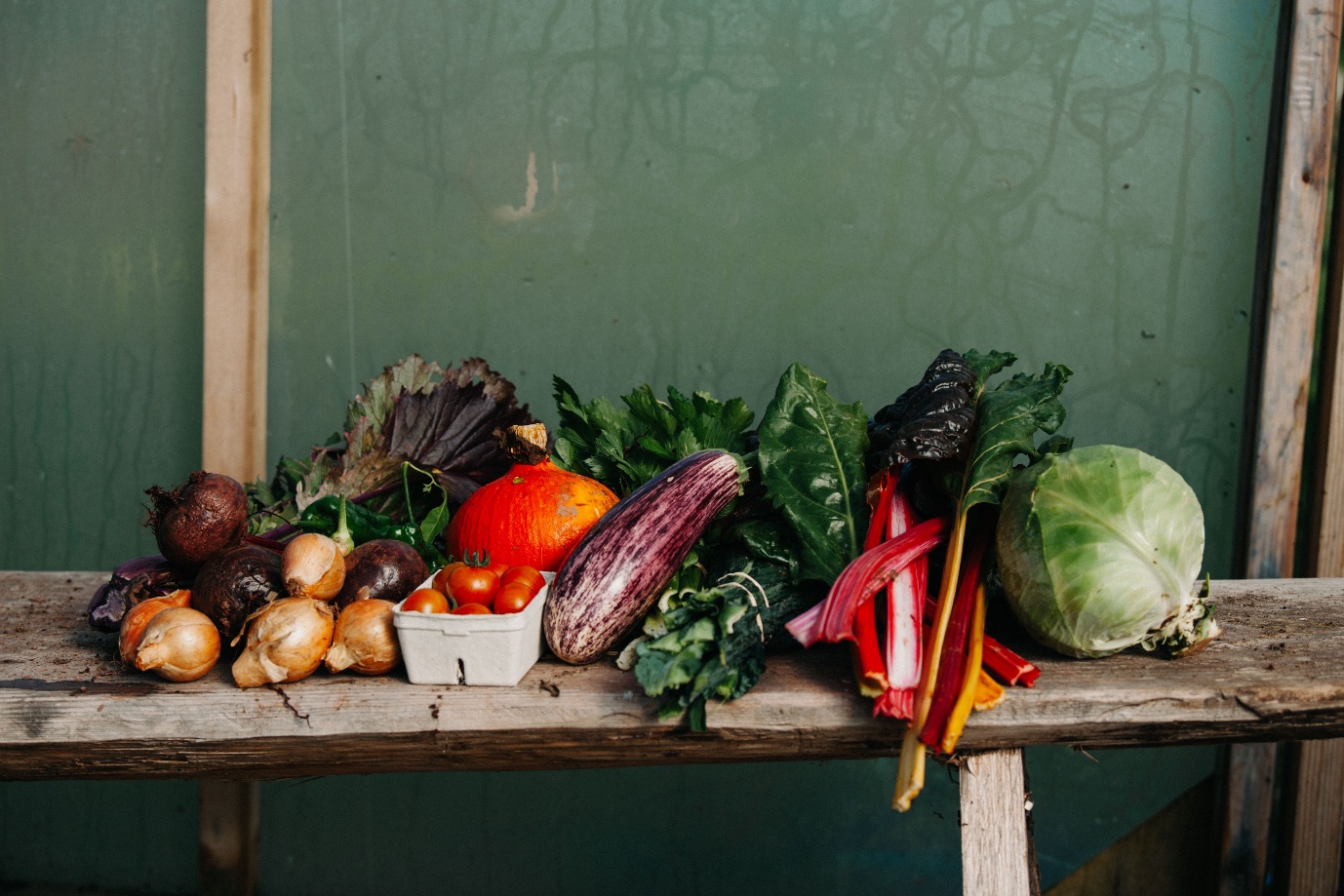
A NEW monthly farmers’ market is set to launch in Narberth next month, giving Pembrokeshire producers a regular space to sell and showcase food grown, reared and made in the county.
Pembrokeshire Local Food Partnership is launching the market at the Queen’s Hall, Narberth, on Saturday, June 13. It will then run monthly from 10:00am to 2:00pm.
The market has been developed in collaboration with local growers Rufus and Ffion, of Hael Natural Produce, based in Clunderwen.
Organisers say it will bring together a wide range of local food and drink producers, with stalls expected to include fresh seasonal produce, artisan foods, baked goods and speciality items.
Among those taking part are Spirit Wood Wales, Big Green Elephant, Foxhill Preserves and Pencw Cheese.
Pembrokeshire Local Food Partnership will lead on marketing and subsidise stall costs for the first three markets, in a bid to encourage strong early participation and reduce barriers for small and emerging producers.
The launch will also see Rufus and Ffion introduce a new local veg box scheme through Hael Natural Produce.
Rufus said: “I’m really excited to be launching my new veg box scheme at the farmers’ market.
“It’s a great opportunity to get fresh, locally grown produce directly to people in the community and to build something that connects people more closely with where their food comes from.”
Sue Latham, Coordinator of Pembrokeshire Local Food Partnership, said: “We are looking forward to creating a regular space in Narberth that supports local producers and gives the community consistent access to high-quality, local food.
“This market is about strengthening those connections and building something that can grow over time.”
Organisers are encouraging residents, visitors and food lovers to attend the launch and support the new initiative, which forms part of Pembrokeshire Local Food Partnership’s wider work to strengthen local food networks across the county.

Further information is available from Pembrokeshire Local Food Partnership at www.plfp.org.uk or by emailing [email protected].
Pic: Pembrokeshire Local Food Partnership.
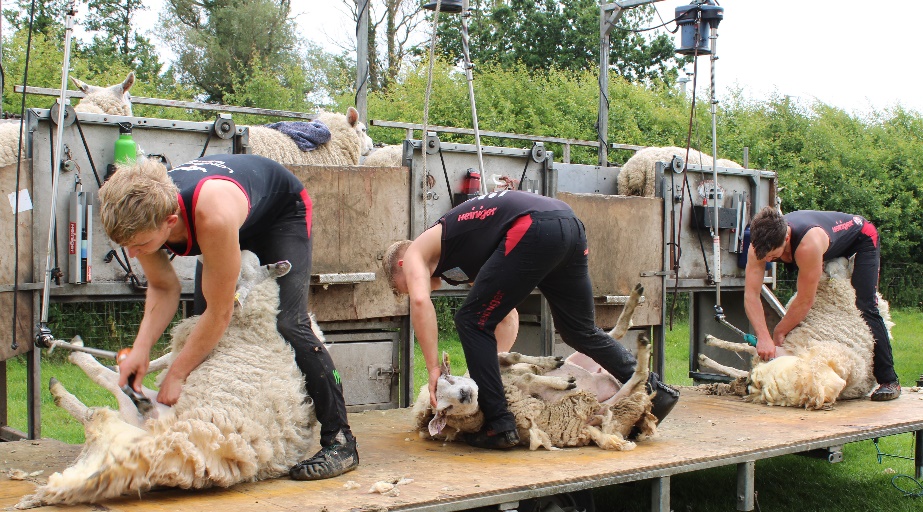
BRITISH WOOL recently reported that fleece value is at its highest for 10 years. With the shearing season underway for 2026, Heiniger’s Hefin Rowlands suggests that there has never been a better opportunity for farms to realise the best price for wool.
“The average payment increased to 68p per kilo last year, which was up from just 40p. Higher grade wools from breeds such as Cheviots are returning 85p per kilo. This makes the preparation for shearing and the shearing process all the more important,” he says.
Mr Rowlands points to the need for preparation to make the process better for shearers and sheep.
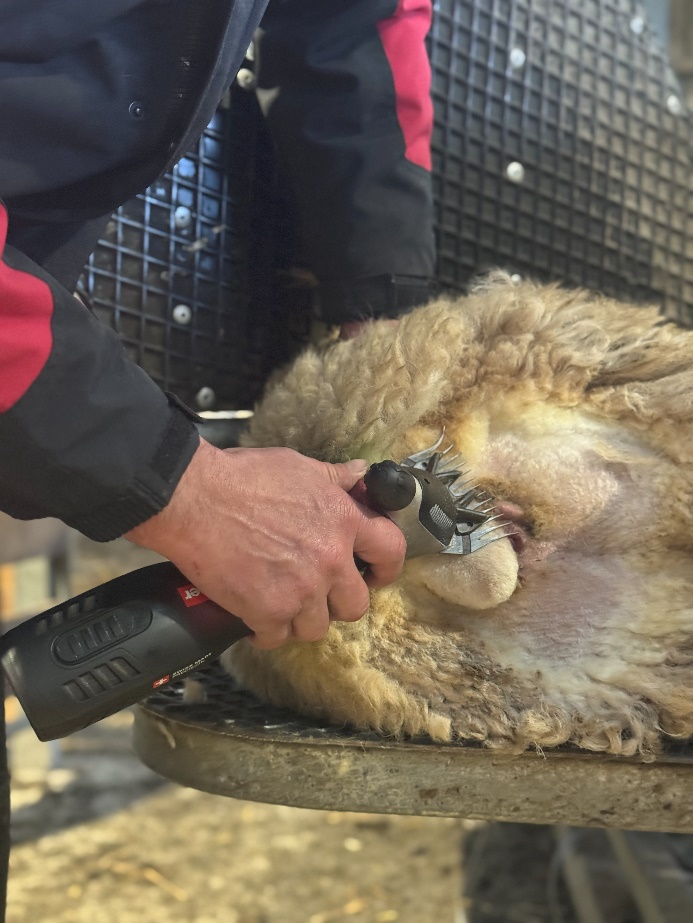
“Fasting, dagging and separating ewes from lambs will help, whether a farm is bringing in professional shearers or not. Straw, dirt and dung in fleeces seriously detracts from wool value, so both sheep and the area being used to shear should be as clean as possible,” he says.
He suggests that using the best quality equipment will also play a big part in how efficient the shearing process is.
“Factory sharp blades and the correct clothing are essential to any shearer. Heiniger has been manufacturing world-leading shears since 1946, so we know how important the right shears are to getting the best cut. But even the best shears need to have clean, sharp combs and cutters, which is why we offer free postage for servicing our equipment,” he says.
British Wool suggests that returns for the 2026 cut could rise by a further 25p-30p per kilo, meaning some wool will realise prices in excess of £1 per kilo.
“There is strong demand and it pays to meet this with the best quality wool. Investing in equipment and a good set of shears has never been more important for farms looking to take advantage of rising wool prices. However, nothing beats experience and this is where professional shearers can help make all the difference,” he says.
Above all, Mr Rowlands advocates that farms give shearing the attention it deserves, especially in a year when returns are projected to be high.
“Spending on the right equipment, preparing sheep well and working carefully to produce a clean fleece will pay dividends. The average fleece weight is around 4 kilos which means a flock of 250 ewes could return upwards of £1000 this year, and that makes investing time and effort in shearing a worthy choice to maximise returns,” he concludes.


Business16 hours ago
Plaid energy policy challenged by Labour after Adam Price interview
LABOUR SAYS MINISTERS MUST EXPLAIN COST AND TIMETABLE FOR PYLON PLANS PLAID CYMRU’S approach to energy infrastructure has come under...

Community16 hours ago
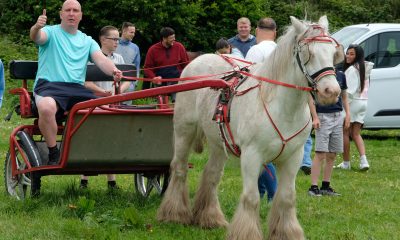
Pembroke Fair praised as well-organised community event
HORSES, STALLS AND FAMILY CROWDS RETURN TO MONKTON FAMILIES, horse owners and visitors turned out in force for Pembroke Fair...

Local Government3 days ago
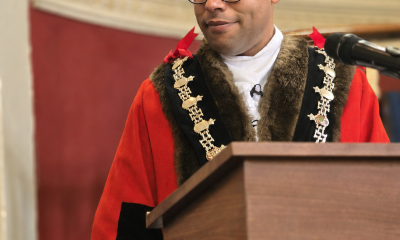
Youngest mayor in century takes office in Haverfordwest
Randell Izaiah Thomas-Turner makes history as town’s first millennial mayor and first from a diverse background HAVERFORDWEST has welcomed a...

Community3 days ago
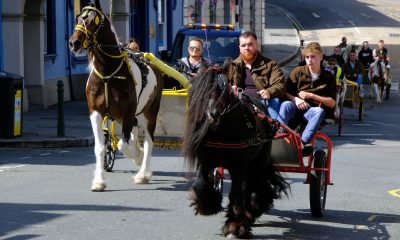
Pembroke Fair set to return after last year’s success
STALL HOLDERS INVITED AS HORSE DRIVE PLANNED PEMBROKE Fair is set to return this weekend following the success of last...


Crime3 days ago
Neyland man accused of running over traffic worker’s foot
Jury hears conflicting accounts over roadworks incident in Milford Haven A NEYLAND man has appeared before Swansea Crown Court accused...


Community4 days ago
New pilot boat Llanion dedicated at emotional Milford Haven ceremony
Vessel dedicated at Mackerel Quay as Port marks major investment in safety and resilience MILFORD HAVEN’S new state-of-the-art pilot vessel...


Local Government4 days ago
Police and GoSafe to target speeding in Newport and Dinas
RESIDENTS’ concerns over speeding and anti-social driving have prompted planned enforcement action in the Newport and Dinas areas. Dyfed-Powys Police...


Community5 days ago
Safety first as Milford Haven’s new pilot boat marks end of troubled chapter
Gary Solomon, who was aboard St Davids during the 2016 collision, helped shape new self-righting vessel Llanion from conception to...


Crime5 days ago
Cocaine courier caught with £15,000 haul in Pembroke Dock
Defendant transported high-purity drugs from Cardiff to Pembrokeshire for £210 A PEMBROKESHIRE man caught transporting more than £15,000 of high-purity...


News5 days ago
Car bursts into flames near Redberth Croft as road closed after incident
Nobody injured after vehicle fire near A477 prompts emergency response A CAR was destroyed by fire near the entrance to...
-

 News2 days ago
Watchdog criticises health board over £10m GP contract checks
-

 Crime5 days ago
Farm owner in court after 26 dogs removed over welfare concerns
-
 News4 days ago
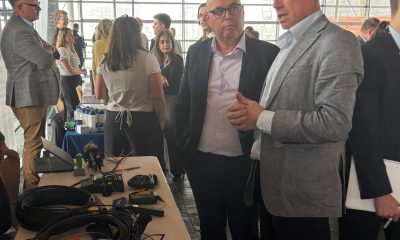
Paul Davies meets Openreach Cymru at the Senedd to discuss Full Fibre rollout
-

 Crime5 days ago
Tree surgeon sentenced for failing to provide breath test
-

 Crime5 days ago
Pembrokeshire teenager admits driving almost four times over drug-drive limit
-

 News5 days ago
Milford man admits handling stolen goods from three local properties
-

 Crime6 days ago
Builder jailed for £82,000 fraud affecting 18 victims
-

 Crime3 days ago
Milford Haven man admits affray after alleged pub incident