


Health
Welsh Government accepts pay recommendations amidst ongoing disputes


THE WELSH GOVERNMENT has accepted pay recommendations from independent review bodies for public sector workers, including NHS staff, teachers, and civil servants, for the 2024/25 financial year. The decision will see doctors and dentists receive a 6% pay rise, alongside a £1,000 consolidated uplift for junior doctors, while teachers and NHS staff will get 5.5%.
First Minister Eluned Morgan acknowledged the importance of public sector workers, describing them as the “backbone” of Wales. She emphasised the government’s commitment to fair pay while recognising public demand for improvements in services, particularly in the NHS and education. Cabinet Secretary for Finance Rebecca Evans highlighted the challenges of balancing fair pay with financial pressures.
The announcement has been cautiously welcomed by unions such as BMA Cymru Wales. Dr Oba Babs-Osibodu and Dr Peter Fahey of the BMA’s Welsh Junior Doctors Committee praised the 6% pay award as a step forward, but reiterated their calls for full pay restoration after years of real-term wage erosion. Meanwhile, Dr Stephen Kelly, chair of the Welsh Consultants Committee, recognised the progress made but expressed concerns that the settlement did not fully address years of undervaluation.
The response from general practitioners (GPs) has been more critical. Dr Gareth Oelmann, chair of the BMA Cymru Wales GP Committee, pointed out that while the pay increases were positive, they do not address deeper funding issues within general practice. He highlighted that over 100 GP surgeries had closed since 2012 due to financial constraints, and called for urgent GMS contract negotiations to tackle these systemic problems.
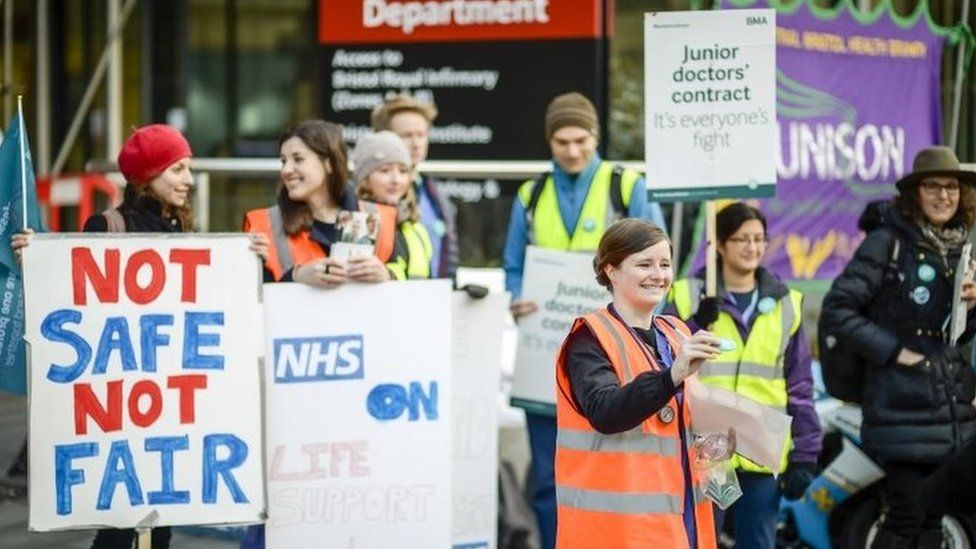
This latest announcement comes after significant industrial action by healthcare professionals earlier this year, with junior doctors leading the charge for fairer wages. The strikes, which resulted in widespread disruption to services, underscored the growing frustration within the medical community over years of pay stagnation.

While the pay increases for 2024/25 represent progress, the BMA and other unions remain steadfast in their pursuit of full pay restoration. They argue that, despite recent gains, doctors and healthcare professionals have seen their wages eroded in real terms over the past decade.
Beyond healthcare, teachers and other public sector workers have also benefited from the pay awards. Teachers will receive a 5.5% increase, reflecting the Welsh Government’s broader commitment to rewarding essential workers.
However, the Welsh Government faces the challenge of maintaining these pay awards while navigating broader economic constraints. Public finances remain under pressure, and there are concerns about how sustainable these pay settlements will be in the long term.
As the Welsh Government moves forward with these pay reforms, further negotiations with unions will be crucial to ensuring the long-term viability of public services in Wales. Despite the positive reception of the pay awards, there are still significant hurdles ahead, particularly in general practice and other underfunded areas of the public sector.

The pay increases mark a step towards resolving disputes, but the Welsh Government and public sector unions acknowledge that much work remains to address long-standing concerns around pay, working conditions, and service delivery.
Responding to the Welsh Government’s acceptance of the independent Pay Review Bodies recommendation of an above current inflation rate pay increase for NHS staff, director of the Welsh NHS Confederation Darren Hughes said:
“Health leaders will welcome the confirmation from the Welsh Government that those staff working so hard across the health service will benefit from an above inflation pay rise, in line with the UK Government offer to staff in England.

“NHS staff work tirelessly day in day out for patients and are the lifeblood of the health service, so this decision should be greeted with renewed optimism. Commitments to updating pay points and structures, as well as the intent to negotiate a fair and proportionate pay uplift across primary care, will also be welcomed.
“Industrial action has taken a real toll on the health service in recent years, not least on patients due to the cancellation of appointments and operations. We hope today’s news takes us another step towards avoiding disruption to health services from industrial action.
“However, it is crucial that the pay award is funded in full by both the UK and Welsh governments as the NHS continues to work hard at recruiting and retaining staff and driving down waiting lists against the backdrop of an already very tight financial position.
“Although NHS leaders understand the financial uncertainties faced by the Welsh Government, they would welcome an earlier decision in relation to future pay awards.
“NHS organisations will now work hard to implement the back-dated pay award, so staff can receive the well-deserved pay uplift as soon as is practicable.”
RCN Wales Executive Director Helen Whyley said: “The RCN today welcomes the Welsh government announcement that it will implement the recommendations of the independent pay review body (PRB) for NHS Agenda for Change staff in Wales. Nursing staff have been eagerly awaiting the Welsh government decision since early July, which applies from April 2024.
“The PRB recommendations acknowledge the tireless dedication and essential role of nursing staff, but investment in NHS staff is imperativeto fully reflect their contributions and to make the profession attractive to future nurses.
“Last year the Welsh government made a commitment to pay restoration for NHS staff. Now they must decide how to achieve that over time. The RCN expects to see a clear route to fair pay restoration – making up for a very serious loss of earnings in the last 15 years.
“Stagnant salaries at a time of spiralling prices have forced too many to leave nursing and deterred others from joining. Fair pay is vital to recruiting and retaining nursing staff, to filling the thousands of vacant nurse jobs and giving people the care they deserve.
“Nurses are the ever-present, safety critical workforce across the whole of health and care. Our wages do not reflect that, and still won’t after today. We will be pushing the Welsh government to show us their plans for improving NHS pay – it is vital to recruit and retain nursing staff. We will consult with our members on whether they see today’s statement as enough of a start on this pay journey.”

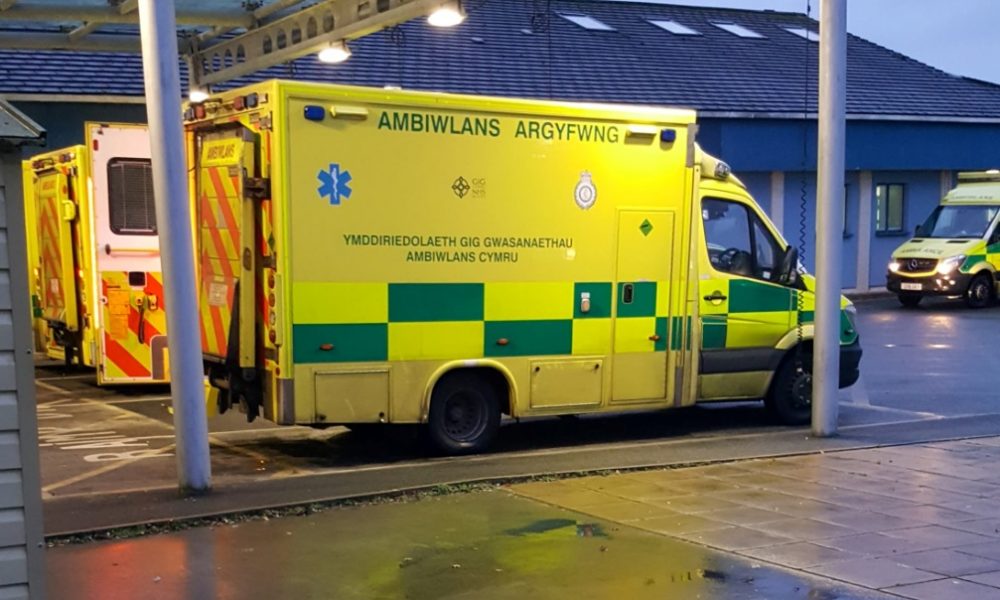
Delays averaged 17 a day as MS demands targets, hospital-level figures and a timetable for improvement
MORE than 500 ambulance handovers at hospitals run by Hywel Dda University Health Board took longer than an hour during a single month, newly disclosed figures have revealed.
A total of 528 handovers exceeded 60 minutes in October 2025, equivalent to an average of around 17 lengthy delays every day.
Each delayed handover can leave a patient waiting in an ambulance outside hospital while the crew remains unavailable to respond to another emergency.
Even using one hour as the minimum, the 528 incidents represent more than 528 ambulance-hours spent on lengthy hospital handovers. The true figure will have been higher because every handover included in the total exceeded the hour mark.
However, the information released does not show which hospitals recorded the most delays, how long the worst handover lasted or how many ambulance hours were lost beyond the normal handover period.
It also provides no indication of whether performance improved or deteriorated in the months following October.
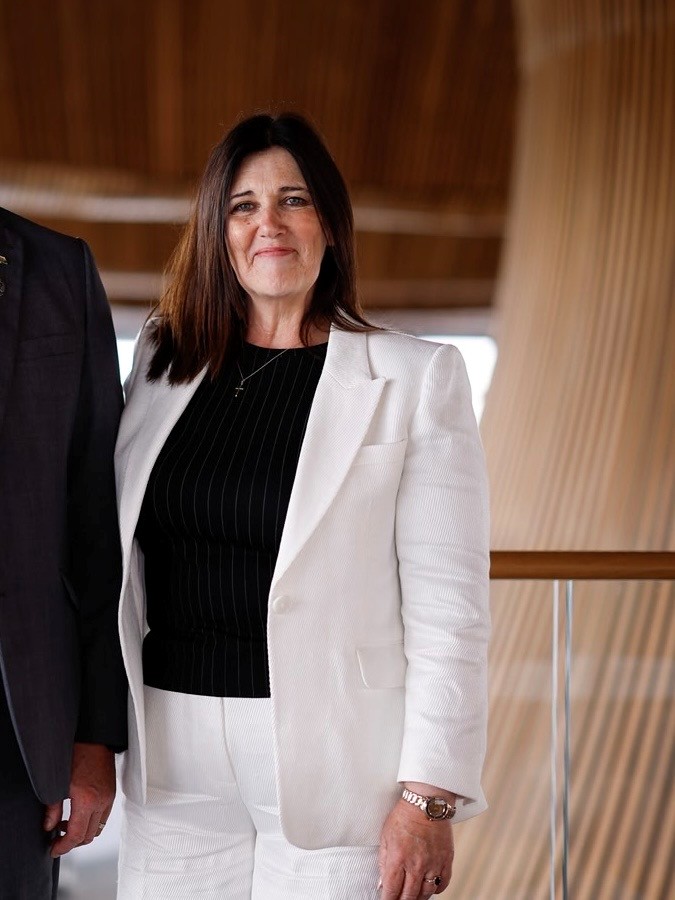
Claire Archibald, Reform UK Member of the Senedd for Ceredigion Penfro, obtained the figure after submitting a written question to the Welsh Government.
She has challenged ministers to publish a measurable recovery plan for West Wales, including targets for reducing delays and regular health-board-level performance figures.
The disclosure comes against a backdrop of sustained pressure throughout the Welsh emergency care system.
Official figures show that almost 96,800 people attended emergency departments across Wales in October 2025. Only 66 per cent were admitted, transferred or discharged within four hours, against a national target of 95 per cent.
A further 10,499 patients spent 12 hours or more in emergency departments during the month, an increase of 414 compared with September.
Problems moving patients out of hospital were also evident. On the day discharge data was collected in October, nearly 1,500 patients who were medically ready to leave hospital were still waiting for care, support or suitable accommodation.

Those patients had accumulated more than 64,100 days of delayed hospital stays between them.
Delayed discharges reduce the number of available hospital beds. This can leave patients waiting in emergency departments for admission and, in turn, prevent ambulance crews from handing over new arrivals promptly.
The latest Welsh Government figures suggest that pressure has continued well beyond October.
In May 2026, 11,066 people waited 12 hours or more in Welsh emergency departments, while only 64.4 per cent were admitted, transferred or discharged within four hours.
There were also more than 1,300 recorded delayed discharges, involving almost 57,200 accumulated days of delay.
The median response to the most serious red-category ambulance emergencies was nine minutes and 12 seconds, outside the target range of six to eight minutes.
Ms Archibald said: “More than 500 ambulance handovers taking over an hour in a single month is deeply concerning.
“Behind every one of those figures is a patient waiting for care and an ambulance crew unable to respond to another emergency.
“The Welsh Government’s response contains many of the same general assurances we have heard before, but it does not provide a deadline, a measurable target or explain what specific action is being taken within Hywel Dda.
“Ambulance crews and hospital staff are working incredibly hard, but they are being let down by a system that is struggling to move patients safely through hospitals and back into the community.”
In its written response, the Welsh Government said it was working with Hywel Dda University Health Board, the Welsh Ambulance Service and other partners to improve patient flow, timely discharge and same-day emergency care.
Ms Archibald said the answer did not include a reduction target, timetable or detailed health-board-specific action plan.
She added: “People across Pembrokeshire and Ceredigion need to know when these delays will be reduced and how progress will be measured.
“I will continue pressing the Welsh Government for a clear and accountable plan to ensure patients receive urgent care when they need it.”
The figures leave a number of important questions unanswered, including how the 528 delayed handovers were divided between individual hospitals, the longest time any patient waited, the total operational hours lost and whether any patient-harm incidents were associated with the delays.
Ms Archibald has called for monthly handover figures to be published for each health board, alongside clear targets showing when ministers expect the number of hour-long delays to fall.

Auditor classifies excess expenditure as ‘irregular’ after health board fails both statutory financial duties
HYWEL DDA University Health Board spent £112 million more than it was authorised to over a three-year period, according to a report by the Auditor General for Wales.
The finding comes as new figures show NHS Wales ended 2025-26 with an annual deficit of £199 million, £75 million worse than the previous year, despite receiving a significant increase in funding.
Auditors found that Hywel Dda exceeded its cumulative revenue resource limit of £3.893 billion by £112.043 million between 2023-24 and 2025-26.
Because the spending was above the limit authorised under the NHS financial framework, the Auditor General classified the excess as “irregular expenditure” and issued a qualified opinion on the regularity of the health board’s accounts.
The term does not mean that auditors found fraud or that the money was unaccounted for. It means Hywel Dda spent beyond the authority granted to it after failing to balance its finances over the rolling three-year period.
The health board’s accounts were found to give a true and fair picture of its financial position, and auditors reported no uncorrected misstatements that needed to be brought to the board’s attention.
However, Hywel Dda failed both of the statutory financial duties imposed on health boards.
The first requires boards to balance their income and expenditure over a rolling three-year period.
The second requires them to produce a three-year integrated plan approved by Welsh ministers. Hywel Dda did not have an approved plan covering 2025-26 to 2027-28.
The local findings form part of a wider financial crisis facing the Welsh health service.
Audit Wales said NHS Wales received £12.39 billion in revenue funding during 2025-26, an increase of £823 million compared with the previous year and a real-terms rise of 3.8 per cent.
Despite that increase, the annual NHS Wales deficit rose from £124 million to £199 million.

The accumulated deficit over the latest three-year period has now reached £506 million.
Six of Wales’s seven health boards failed their statutory duty to break even over three years. Cwm Taf Morgannwg University Health Board was the only board to meet the requirement and the only one to have a three-year plan approved by the Welsh Government.
Audit Wales warned that the overall deficit was unlikely to improve in the near future, with most health boards still unable to produce financially balanced plans.
The health service reported savings of £256 million during the year, but this was only £3 million more than in 2024-25.
Auditors also raised concerns about an increasing reliance on temporary, one-off savings rather than permanent reductions in costs.
There was some improvement in spending on agency staff, which fell to £128 million. That was 61 per cent below the peak recorded in 2022-23, although almost three-quarters of the remaining agency bill was used to cover vacant posts.
Darren Hughes, director of the Welsh NHS Confederation, said health boards had worked hard to identify savings and reduce agency expenditure, but were still facing intense pressures caused by rising demand and increasing costs.
He said NHS leaders were being forced to make exceptionally difficult decisions, adding that “efficiencies alone will not be enough to secure a sustainable future for the NHS”.
Mr Hughes called for service redesign to be undertaken in partnership with staff, patients and communities, alongside greater investment in buildings, infrastructure and digital technology.
He said more than 60 per cent of the NHS estate in Wales was over 30 years old, while the backlog of essential maintenance work had exceeded £1 billion.
Mr Hughes added: “We need an honest national conversation about the changes required to ensure health and care services can meet future demand.”

More than 4,300 people have applied to study nursing in Wales, but the profession’s union says students must be assured of employment when they qualify
INTEREST in studying nursing in Wales has remained broadly stable following last year’s five-year high, according to the latest university application figures.
Data published by the Universities and Colleges Admissions Service, known as UCAS, shows that 4,340 people had applied for nursing courses in Wales by the June 2026 deadline.
That is 30 fewer than the 4,370 applications recorded at the same point last year, representing a decrease of approximately 0.7%.
However, the latest total remains significantly higher than in 2024, when 3,870 applications were received. Applications rose by almost 13% between 2024 and 2025, suggesting that interest in joining the profession has remained relatively resilient despite the pressures facing NHS Wales.
The Royal College of Nursing Wales welcomed the continued interest but said attracting people into nursing education must be matched by clear employment opportunities once they complete their training.
Professor Sandy Harding, Associate Director of Nursing Policy and Professional Practice at RCN Wales, said: “It is encouraging to see continued interest in nursing programmes in Wales.
“While application numbers are slightly lower than last year, the difference is minimal and follows a particularly strong year for recruitment.
“Nursing remains a rewarding and valued profession, and we are pleased that so many people continue to choose Wales as a place to study.”
She said many applicants would come from outside Wales, bringing different experiences and perspectives to universities and the future nursing workforce.
The latest figures come amid continuing concern about the number of jobs available to nurses after they qualify.
In May, Health Education and Improvement Wales announced that 809 roles would be made available across NHS Wales for nurses completing their training during the remainder of 2026.
RCN Wales said that was enough to provide jobs for around 69% of the anticipated graduating cohort, potentially leaving almost one in three newly qualified nurses without a confirmed NHS role in Wales.

The union has repeatedly called on the Welsh Government to introduce a graduate guarantee, ensuring that nursing students trained in Wales are offered employment within the Welsh NHS after qualifying.
The Herald previously reported that 65 final-year adult nursing students connected to Swansea Bay University Health Board had been left with no suitable vacancies to apply for despite completing much of their clinical training in local hospitals.
At the time, the health board was understood to have introduced a partial vacancy freeze because of financial pressures.
The situation prompted criticism from the RCN, which warned of a contradiction between reports of staff shortages across NHS Wales and the lack of entry-level posts for people completing nursing degrees.
RCN figures highlighted in earlier Herald reporting suggested NHS Wales was struggling to fill more than 1,400 registered nurse vacancies during late 2025.
The union warned that shortages were placing additional pressure on existing staff, increasing reliance on agency workers and contributing to burnout and unpaid overtime.
Professor Harding said Wales had invested considerably in educating its future nursing workforce and should ensure that graduates were not forced to move elsewhere to begin their careers.
She said: “As students prepare to begin their nursing education this September, we look forward to welcoming them and supporting them throughout their studies.
“We will engage with many of them during their first placement experiences and in their early weeks of clinical practice.
“At the same time, it is important that we continue to focus on employment opportunities for those completing their nursing programmes.
“Wales has invested significantly in educating the next generation of nurses, and we want newly qualified registrants to be able to build their careers within the Welsh NHS and wider health and care system.”
The RCN fears that graduates who cannot secure suitable posts could be lost to health services elsewhere in the United Kingdom, overseas or outside the profession altogether.
It has also raised concerns about career development for nurses who do secure employment, including limited progression from Band 5 roles and a lack of funded support programmes for newly qualified staff.
Professor Harding added: “RCN Wales continues to call on the Welsh Government to guarantee employment opportunities for all nursing graduates in Wales.
“At a time when services face significant workforce pressures, it is essential that newly qualified nurses are able to move into practice, develop their skills and contribute to patient care.
“Supporting people into nursing education and ensuring there are opportunities for them when they graduate are both critical to building a sustainable nursing workforce for the future.”
The UCAS figures record applications rather than the number of students who ultimately accept places and begin courses.
Further acceptance and enrolment data will therefore provide a clearer indication of how many new nursing students are expected to begin their studies in Wales during the new academic year.



Local Government12 hours ago
Stepaside school saved as council abandons closure proposal
Governors welcome decision but maintain original plans were based on outdated information STEPASIDE Community Primary School will remain open after...

Crime12 hours ago
Footballer given 200 hours’ unpaid work for eye-gouging assault during match
Magistrates heard Robert Hedley put an opposing player in a headlock before gouging at his eyes during a match in...


Community16 hours ago
Tenby Summer Spectaculars brought to an end after harbour licence revoked
Round Table says it was willing to make major safety changes but could not secure the access controls needed to...

Local Government2 days ago
Catapult attacks suspected after wildlife deaths at Pembroke Mill Pond
Wildlife Crime Officers are investigating after the town council said around five animals showed signs of deliberate injury WILDLIFE found...


Crime3 days ago
Narberth retailer speaks of shoplifting toll after ‘collectable bear’ stolen
Independent shop owner said rising costs meant businesses could not afford to absorb losses caused by theft A NARBERTH retailer...


Crime3 days ago
Teen accused of attempting to murder teacher says she lied about stabbing
Defendant accepts teacher was terrified and that a knife wound to the head could kill, but denies deliberately attacking her...


Local Government4 days ago
Calls grow for independent investigation into Manorbier school closure
Councillor alleges misleading figures, inadequate insurance and poor treatment of staff CALLS for an independent investigation into the controversial closure...


Community4 days ago
Neyland Carnival hailed a huge success after streets fill with colour and crowds
NEYLAND CARNIVAL organisers have thanked the community, volunteers and local businesses who helped make this year’s event a memorable success....


Community4 days ago
Tenby Summer Spectacular: Anger grows over ‘disaster waiting to happen’ warning
A growing backlash has followed police calls for the event’s licence to be revoked, with supporters questioning why authorities failed...


Charity5 days ago
RSPB secures ‘missing link’ to reconnect wildlife habitats in Carmarthenshire
RSPB CYMRU has purchased a 96-hectare upland site in Carmarthenshire, describing it as a vital step towards reconnecting one of...
-

 Crime3 days ago
Letterston footballer guilty of eye-gouging assault during match
-
 Health7 days ago
Hospital ward closed after highly contagious scabies outbreak
-
 News6 days ago
Milford Haven Coastguard coordinates rescue of injured paddleboarder
-

 Charity7 days ago
Lifesaving charity could get over £60,000 from Snowdon hike
-

 Business7 days ago
Call to expand nature retreat with more lodges, a sauna and padel courts
-

 News7 days ago
Solardo pulls out of Haverfordwest show as organisers offer full refunds
-

 Crime6 days ago
Ann Widdecombe: Welsh politicians pay tribute as murder probe launched
-

 Education6 days ago
Saundersfoot graduate secures teaching job before completing degree