


News
Hospital “downgrade” fear

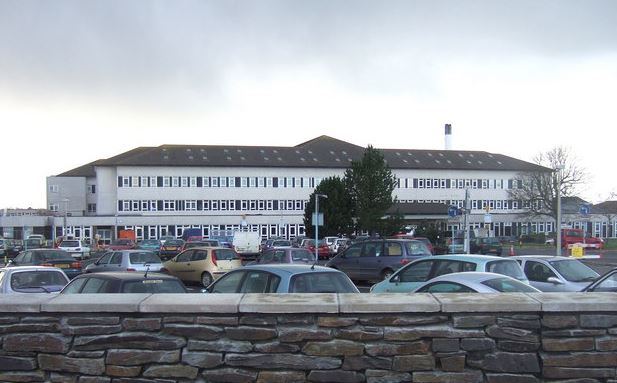
 THE WALES Deanery could withdraw training for junior doctors at Withybush Hospital as an indirect result of the transfer of services offered by the Special Care Baby Unit to West Wales General Hospital, Carmarthen.
The reduction in births at Withybush would mean not enough births would be taking place at the Hospital for training in essential skills to take place. The additional cessation of overnight paediatric care at the hospital could lead to further service cuts, as insufficient junior doctors would be available to provide medical cover.
Speaking to The Pembrokeshire Herald, local campaigner David Williams of Pembrokeshire Health Concern, said: “We have been fighting these cuts for years. One of the problems we have had is getting the public to believe that the effect of cutting one service would have such a serious knock-on effect.
“Now, it seems, what we have been saying all along would happen is likely to happen.
“We understand, from our own confidential sources among Health Board employees, that it is likely that SCBU, maternity, paediatric care will all transfer to Carmarthen and that Ward 12 will close.

“The Health Board has said it had no intentions to close these services, but must have known what the effect of cutting key services away from Withybush would be. It’s not as if my colleague and friend Peter Milewski (a consultant surgeon) has not pointed this out to the Board on any number of times.”
Mr Williams went on to say: “Childbirth is a difficult and stressful experience, even at the best of times. But imagine having to be whisked up to Carmarthen on poor rural roads. It’s not as if the Wales Ambulance Service’s performance can fill you with confidence.
“Look at a practical issue: if you have young children, how are you going to be able to find a family member or friend to take care of them if there is a complication of if you go into labour unexpectedly? Can you imagine what it would be like having to take a couple of kids up to Carmarthen and hope that someone will be available to pick them up, take them home, and look after them in an emergency?
“Pembrokeshire needs to have paediatric services and paediatric consultants close at hand. I speak from personal experience. When my grandson was poorly, his GP suggested it was a minor illness. Dr Gustav VasFalcao saw him in short order at Withybush and my grandson was immediately taken to Cardiff to be treated for leukaemia. I was able to get him seen quickly at Withybush, but would that be possible with the nearest consultant forty miles away in Carmarthen?

“The lives of mothers and children will be put at risk by the loss of services at Withybush. We have been saying this all along but the Local Health Board has not listened.”
The Pembrokeshire Herald contacted Hywel Dda LHB for a statement regarding Withybush Hospital.
A spokesperson said: “We are having discussions with our consultants, nurses and midwives that relate to service models for the future that are sustainable and meet Royal College and Deanery standards.

“We face significant challenges – too many services reliant on temporary staff, the provision of training rotas for junior doctors particularly in paediatrics and the ability to meet the necessary clinical standards. We are at significant risk of losing training posts if we cannot find solutions that meet the Deanery’s requirements and services may become too fragile unless we plan for the future.
“The Board made a number of decisions in January in relation to neonatal services, complex obstetrics and paediatrics.
“Subsequently, the neo-natal element was referred to Welsh Government and the Health Board was requested to provide further details on our models for gynaecology and obstetrics which is being addressed by this on going planning work.
“It is our responsibility to find the right solution for Hywel Dda and this work is vital to ensure we do so.”

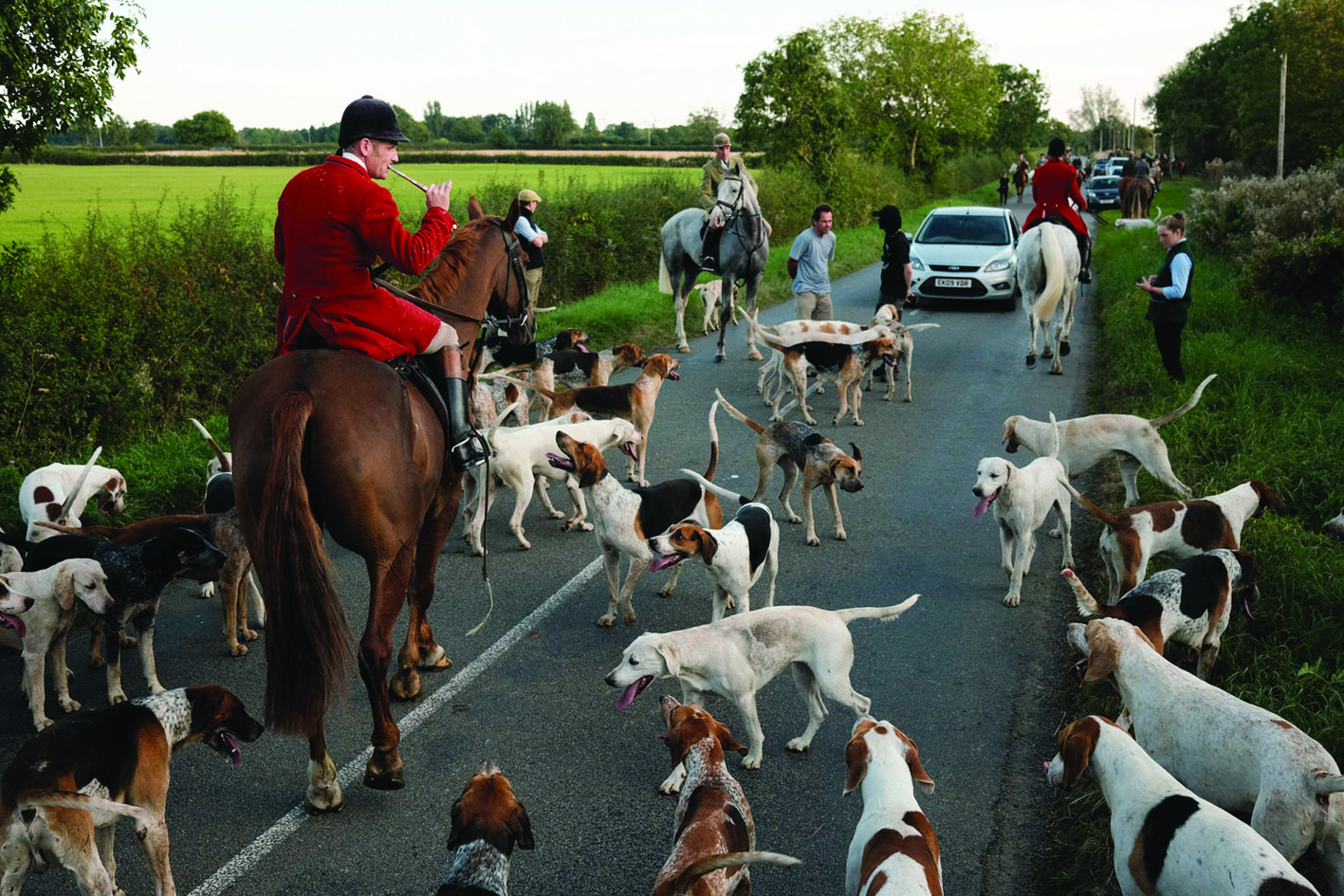
Animal welfare groups back proposed ban, while supporters of country sports warn against further pressure on rural traditions
THE UK GOVERNMENT has opened a public consultation on plans to ban trail hunting in England and Wales, setting up a fresh debate in rural areas including Pembrokeshire, where hunting remains part of the social calendar for some communities.
Ministers say the move would deliver a Labour manifesto pledge and help close what campaigners describe as loopholes in the law. The consultation is seeking views from the public, landowners, hunt organisers, local authorities, conservation bodies, businesses and animal welfare groups on how a ban should work in practice and whether wider changes to hunting law may also be needed.
Trail hunting was introduced after the Hunting Act 2004, with organisers saying it involves hounds following an artificially laid scent rather than a live animal. Opponents argue it has too often been used as a cover for illegal hunting, while supporters say it is a lawful countryside activity which should not be swept away by politics.
The Hunt Saboteurs Association and the League Against Cruel Sports have both welcomed the consultation, saying it gives the public a chance to support stronger protections for wildlife and prevent further loopholes from being exploited.
But countryside groups have hit back, arguing that the proposals could have serious consequences for rural communities, jobs and long-standing local traditions. The Countryside Alliance has urged supporters to respond, saying those who understand country life must not allow others to shape the outcome unchallenged.

The issue is likely to attract strong views in Pembrokeshire, where country sports still have a loyal following. The Cresselly Hunt, one of the best-known local hunts, continues to hold regular trail hunts and social events, underlining how closely the subject is tied to local rural identity as well as national legislation.
That means any attempt to tighten the law is unlikely to be seen locally as a simple animal welfare measure. For many in west Wales, it will also be viewed through the lens of heritage, land management and concern that rural voices are being overlooked by decision-makers.
The consultation does not itself change the law, but it is the clearest sign yet that legislation is being prepared. With ministers now formally gathering evidence and public opinion, both supporters and opponents of hunting are expected to campaign hard over the coming weeks.

Campaign group says Wales is being left behind as parties urged to back legal framework for trials
POLITICAL parties contesting the Senedd election are being urged to commit to new laws that would allow shared e-scooter schemes to operate legally in Wales.
The call has come from Collaborative Mobility UK (CoMoUK), a charity which promotes shared transport, ahead of voters going to the polls in May.
At present, Wales has no public shared e-scooter trials, unlike parts of England where pilot schemes have been running since 2020. CoMoUK says that means communities in Wales are missing out on what it describes as a cheap, flexible and greener form of transport.
The charity has published six pledges it wants the next Welsh Government to support. Among them is a commitment to pass the legislation needed to allow shared e-scooter schemes on public roads.
CoMoUK said cities including Cardiff, Swansea and Newport would be well placed to host trials if the legal framework was introduced.

As well as calling for shared e-scooters, the organisation wants the next Welsh Government to create a dedicated shared transport team, expand car club provision, support shared bike schemes, and provide long-term funding for mobility hubs linking different forms of transport together.
It is also urging ministers to ensure new housing developments are designed to reduce dependence on private cars and include shared transport options.
Richard Dilks, chief executive of CoMoUK, said Wales had a chance to put sustainable transport “at the heart” of political debate ahead of the election.
He said: “Communities in England have benefited from the flexibility of shared e-scooters for years, and it is high time that this innovative form of transport was trialled in Wales too.

“As well as giving e-scooter schemes the green light, enacting our other pledges would help the next Welsh Government unlock a cleaner, greener, and more affordable future for all.”
Supporters of shared e-scooters argue they could help cut congestion, reduce emissions and make short urban journeys easier without relying on private cars.
However, any move towards legalising schemes in Wales is likely to prompt debate over safety, enforcement and where such schemes would be most appropriate.

At present, no Welsh political party has committed itself to introducing the legislation CoMoUK is calling for.
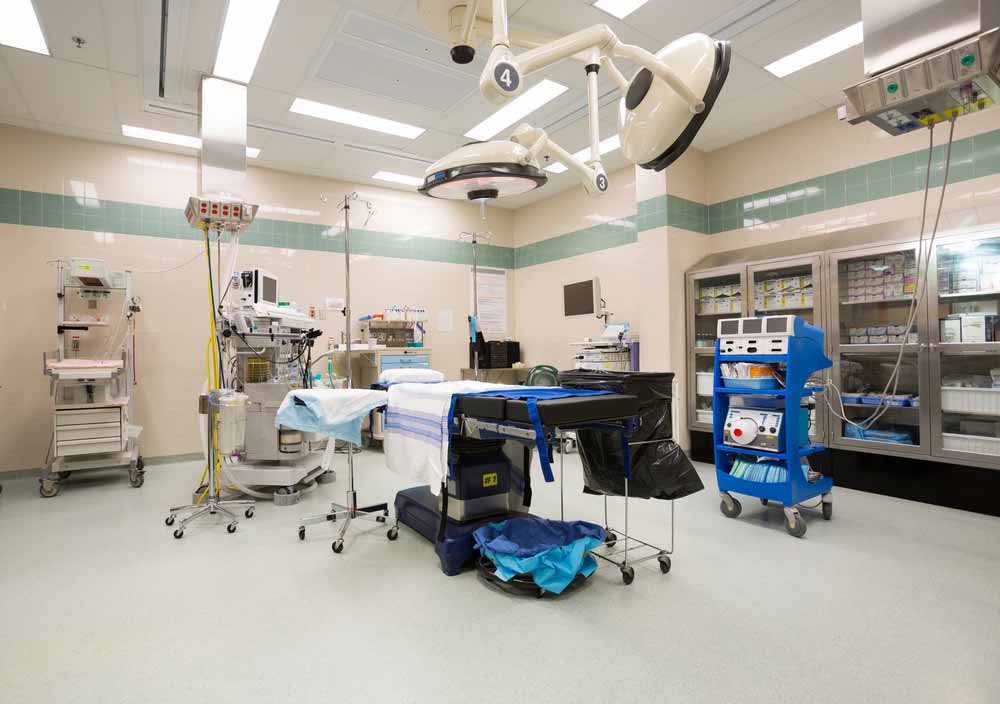
Senedd election promises collide with the harsh reality of ageing hospitals, fire safety concerns and a maintenance crisis stretching across the country
WALES’ NHS is facing a repair and maintenance crisis of almost £1bn, with some of the country’s biggest hospitals burdened by ageing buildings, serious safety concerns and growing pressure on already stretched budgets.
New figures covering 210 NHS sites show that the backlog of work classed as high risk or significant risk has now reached £917m — up 71% in just four years.
The data, published for 2024-25 by NHS Wales Shared Services Partnership, shows more than £616m of the total relates to serious problems at 12 of Wales’ 13 main hospitals.
Ysbyty Gwynedd has the biggest backlog of high and significant risk repairs at £110.5m, followed closely by University Hospital of Wales in Cardiff, where the figure stands at £106.8m.
The scale of the problem is not just financial. Three hospitals — Bronglais, Prince Philip and Ysbyty Gwynedd — have 40% or more of their space rated as not fire safety compliant. At Ysbyty Gwynedd, 35% of space is also not regarded as health and safety compliant.
Aging estate
The figures highlight the deep-rooted problem of an ageing NHS estate across Wales.
More than 30 NHS sites have buildings where over half the estate predates the creation of the NHS in 1948. Another 17 sites, including University Hospital of Wales and Bronglais Hospital, are mainly made up of buildings between 50 and 60 years old.
Only one major hospital in Wales — the Grange Hospital near Cwmbran — is said to have no maintenance backlog. But even that project, which cost £350m, was first proposed in 2004 and only opened during the Covid pandemic, showing how long major hospital developments can take.
When the wider risk-adjusted backlog is considered across all NHS buildings in Wales, focusing on problems where safety may be at risk, the total cost rises to more than £1bn.

The largest overall figure is in the Betsi Cadwaladr health board area, where the backlog stands at nearly £278m.
Despite the Grange being one of the newest hospitals in Wales, Aneurin Bevan health board still faces a backlog of almost £233m, much of it linked to older sites including the Royal Gwent and Nevill Hall hospitals.
In Hywel Dda, where hopes of a new west Wales hospital remain some way off, the total backlog has reached £221m. Among the worst affected sites is Glangwili Hospital in Carmarthen, where high and significant risk repairs and maintenance amount to £82m.
West Wales pressure
FOR west Wales, the figures are especially troubling.
Hywel Dda residents have already faced years of uncertainty over the future of hospital services, and the scale of the maintenance bill raises fresh questions about how long ageing buildings can continue to serve local communities safely and effectively.
Bronglais Hospital is among the sites with major fire safety compliance concerns, while Glangwili carries one of the largest repair backlogs in the region.
The growing cost of patching up older hospitals will inevitably intensify the political argument over whether ministers should prioritise maintaining existing buildings or push ahead with long-promised new developments.
The chair of Cardiff and Vale health board recently acknowledged that the age and condition of University Hospital of Wales was affecting morale and efficiency, describing the quality and upkeep of buildings as an ongoing concern.
Expert warning
Mark Dayan, a policy analyst at the Nuffield Trust, said Wales had a worryingly large maintenance backlog by any standard.
He warned that poor infrastructure could directly affect the way care is delivered, making it harder for the NHS to reorganise services, improve patient flow or create safe, modern working environments.
The issue is not unique to Wales. NHS England is facing its own enormous repair backlog, estimated at £16bn. But in Wales, where budgets are tighter and hospital plans often move slowly, the pressure is especially acute.
Election battleground
WITH the Senedd election set for Thursday, May 7, parties are offering different solutions to the growing crisis.
Labour has pledged a £4bn Hospitals of the Future fund, promising new hospitals including replacements for Wrexham Maelor Hospital and University Hospital of Wales, as well as a major development in west Wales.
Plaid Cymru says Labour’s sums do not add up, and argues urgent high-risk repairs should come first.
Reform UK says the Welsh Government should concentrate its capital budget on clearing the maintenance backlog rather than making promises on multiple new hospitals.
The Conservatives say they would declare a health emergency and expand capacity through new community hospitals, diagnostic centres and surgical hubs.
The Liberal Democrats say they would upgrade the worst parts of the NHS estate while backing a replacement for University Hospital of Wales, linking investment to wider reform of social care and community services.
The Green Party has called the backlog a disgrace and says it would launch a multi-year programme to bring NHS facilities up to a safe and modern standard.
Whatever the result in May, the next Welsh Government will inherit a stark reality: before it can deliver a new generation of hospitals, it must first confront the spiralling cost of keeping the current estate from falling further into decline.


Health15 hours ago
Crumbling NHS faces £1bn repairs bill in Wales
Senedd election promises collide with the harsh reality of ageing hospitals, fire safety concerns and a maintenance crisis stretching across...


News24 hours ago
Emergency services respond to incident in Haverfordwest town centre
EMERGENCY SERVICES were called to an incident in Haverfordwest town centre on Saturday morning (Apr 4), with police and ambulance...
News1 day ago
Teenager intervenes after bridge incident
A TEENAGER was left shaken after stepping in to help a young woman in distress on Clay Lanes bridge in...


Crime3 days ago
Driver spared jail after crash killed young couple
A PEMBROKE DOCK driver who caused the deaths of a young couple in a road crash has been given a...


Entertainment3 days ago
BBC unveils major new Welsh dramas with Tenby set for prime-time spotlight
New crime series Old Town Murders and supernatural thriller The Witch Farm will both be filmed and set in Wales...


Health3 days ago
No jobs for new paramedics in Wales as graduates told to apply for technician roles
Students trained at public expense urged to take lower-grade jobs as anger grows over NHS workforce planning NEWLY qualified paramedics...


News4 days ago
Health minister refuses to act on Withybush despite 15,000-signature petition
Senedd pressure grows as Welsh Government declines to intervene over surgery fears THE WELSH GOVERNMENT has refused to step in...

Business5 days ago
Fishguard to Wexford rail tunnel plan backed by Elon Musk firm
Six-hour London to Dublin service proposed in £32bn project ahead of Senedd election PLANS for a rail tunnel linking west...


Charity5 days ago
Milford Haven charity honoured with King’s Award for voluntary service
A PEMBROKESHIRE charity supporting vulnerable young people has received one of the highest honours in the UK for voluntary work....


News6 days ago
Plaid Cymru launches bid to lead next Welsh Government
Party positions itself as ‘government-in-waiting’ ahead of May election PLAID CYMRU has formally launched its campaign for the 2026 Senedd...
-

 News2 days ago
Accommodation providers in Wales will be required to register under new law
-
Business5 days ago
Fishguard to Wexford rail tunnel plan backed by Elon Musk firm
-

 Entertainment3 days ago
From Milford Haven to the world: The story of The Evolution Experience
-
Entertainment3 days ago
BBC unveils major new Welsh dramas with Tenby set for prime-time spotlight
-

 Charity6 days ago
RSPCA calls for stronger animal welfare measures as Welsh Labour launches manifesto
-

 Community6 days ago
Pembrokeshire school allows Sikh pupil to wear Kirpan
-
 Crime7 days ago
Gunshot fired by police during incident in Milford Haven
-

 News6 days ago
Labour promises 48-hour GP access as manifesto faces questions over delivery