


On The Road
Kia Stinger 2.0 turbo-petrol


By David Miles
IT’S expected to become the best seller in this exciting new range of luxury saloons from the Korean manufacturer, which introduced the new model series at the end of 2017 with a powerful 365bhp 3.3 litre GT-S and they will be joined this spring by 197bhp 2.2 turbo-diesel.
Kia’s current advertising theme is ‘The Power to Surprise’ and with the arrival of the Stinger that is certainly true. The stunning to look at Stinger is the latest result of ex-Audi designer Peter Schreyer move to the Kia and Hyundai brands and that has been further enhanced by the recruitment of ex-BMW M division’s chassis and vehicle development guru Albert Biermann joining the team.
The Stinger is an imposing five door coupe styled GT car with muscular wheelarches, a low stance and roofline, sculptured door panels, a sleek new version of the Kia Tiger Nose grille, long bonnet, air flow vents in the front lower bumper and lower front wings with air intakes in the bonnet for the intercooler. At the rear is a sharply raked tailgate, a spoiler plus a lower body diffuser flanked by double twin exhaust tailpipes.
The GT-Line versions with the 2.0-litre petrol engine has a comprehensive level of sports specification including 18-inch alloy wheels, leather upholstery, sports front seats, heated and powered driver’s seat, an 8.0-inch touchscreen with sat-nav, head-up display, parking sensors, cruise control, selectable driving modes, autonomous emergency braking, lane keep assist, high beam assist, driver attention warning alerts and speed limit information as well as DAB radio and the usual Android Auto and Apple CarPlay connectivity functions. The GT-Line S level adds blind spot monitoring with rear cross traffic alert, LED headlights, heated rear seats, powered tailgate, 360-degree surround view camera, sunroof and wireless phone charging.

When it comes to performance the 2.0-litre Stinger is not all ‘show’ and no ‘go’. With the eight-speed auto gearbox and an ample 353Nm of torque from 1,400rpm the acceleration is responsive when needed yet remains calm when the car is travelling on congested roads.
The official Combined Cycle figure of 35.8mpg for the 2.0-litre petrol model was optimistic as I couldn’t get close in my brief test drive so the real-life figure was 25.1mpg.
As is often the case, a smaller capacity engine works harder and uses more fuel for the same result but the benefit is significantly lower taxation costs.
In most other respects the Stinger is well balanced with its long wheelbase and wide front and rear tracks and fast response steering rack.

All versions have a Drive Mode Selector which gives five different gearshift and throttle settings and a limited slip differential for optimum traction from the two rear wheels during cornering.
So, true to their advertising word, Kia ‘continues to surprise’.
At a glance

KIA STINGER 2.0 TURBO PETROL
For: Great exterior sports five door GT coupe styling, high specification, good value for money, much cheaper to buy with less costly taxes than the 3.3-litre version but it still looks the same, long warranty, good to drive, roomy with ample boot space
Against: Cluttered interior with unrefined layout of controls and switches, limited rear visibility through the tailgate window, no rear window wash/wipe unit, lacks a suitable sporty exhaust tone.

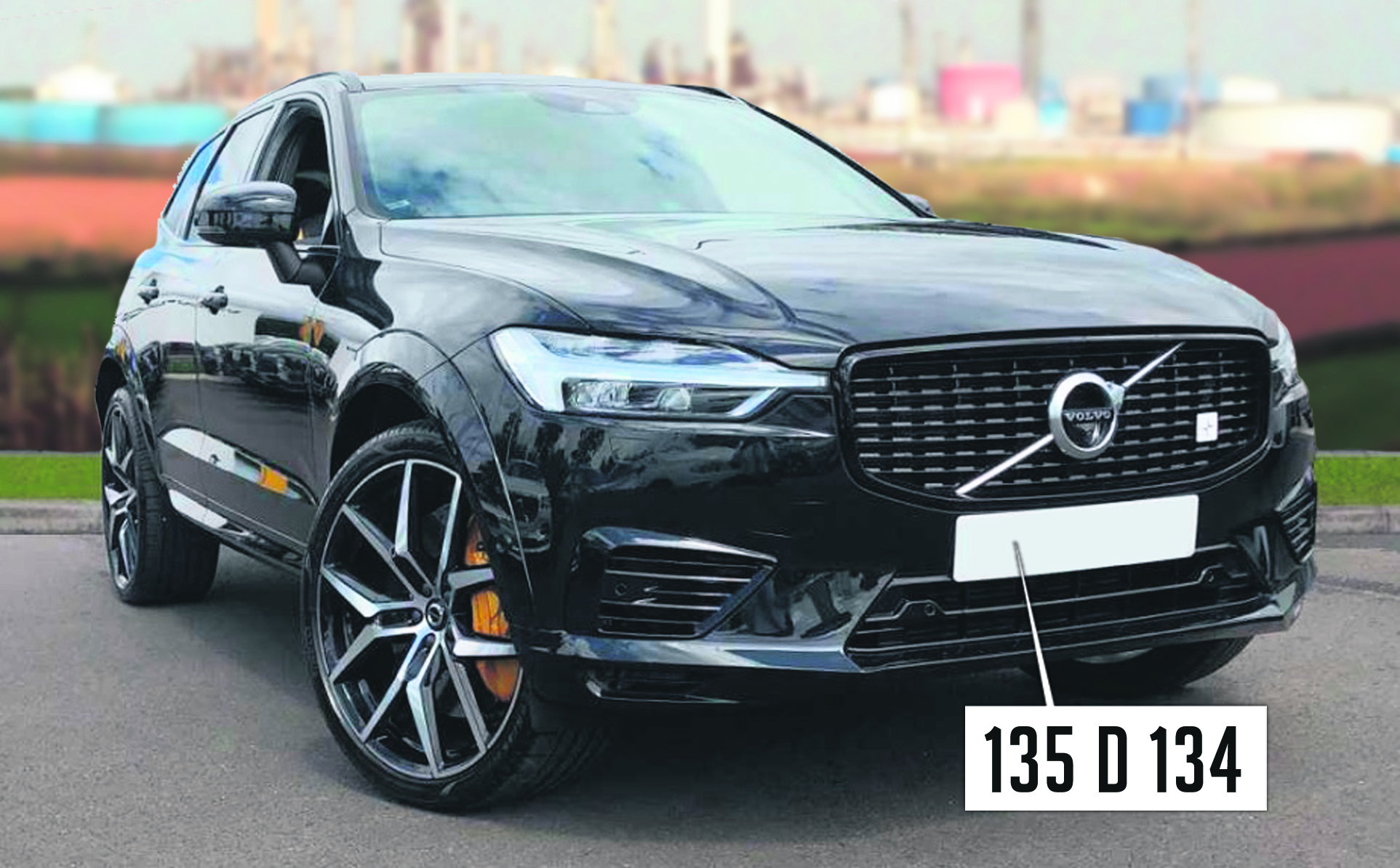
GETTING a new car can be exciting, but it is a significant purchase and being 100% certain about your decision is crucial. If you’re purchasing a brand new vehicle, you can focus entirely on things like comfort, performance, and style. However, if you’re buying a used car, there are a few extra things you need to consider.
You never quite know what you’re getting with an older car, and without diving into the vehicle’s history, you run the risk of overpaying for your vehicle or running into problems further down the line.
It’s important to run a complete licence plate check prior to making a purchase. This will give you all the information you need to make a decision with confidence. So, here are a few key things to look out for and where to find the relevant information.
Purchasing a Used Car: What to Look Out For
MOT History
A car’s MOT history can tell you a lot about the condition of the car. A failure here and there (especially for very minor problems) is fine, but if it regularly fails for major defects, you may want to steer clear.
You can check the MOT history of a car using the GOV website. All you need is the car’s registration number.
Vehicle Detail Verification
Some sellers will manipulate a vehicle’s details to make the car appear more valuable than it actually is. One common trick is to lower the car’s odometer, making you believe the car has done less miles than it really has.
Generally speaking the higher the mileage, the lower the value of the car. By lowering the mileage, the seller can justify charging slightly more. Higher mileage also means more wear and tear, increasing the likelihood that components such as brake pads and suspension parts will require repair.
You can verify a car’s mileage by cross-referencing it with the vehicle’s MOT history on the GOV website.
Hidden Write-Offs
Some cars up for sale have previously been written off and many sellers will do their very best to hide this information. Cars that were once written off may have structural issues and hidden damages, and it may be harder to insure or sell later on, so it’s important to check this out. You can download a VIN report online to find out if a car has hidden damages.
Don’t Rush the Decision Process
Purchasing a car shouldn’t be an impulsive decision. To guarantee you’re making a sensible choice, take the time to research a vehicle’s history so you can be sure you’re getting exactly what you pay for.

Your dream car isn’t complete without the perfect set of alloy wheels. However, if you don’t know much about alloy wheels or you’re just not sure what finish or size is right for you, then keep reading. We’ll run through everything you need to know about alloy wheels so you can choose the right ones for you.
Sizing
Size does indeed matter here, both in terms of appearance and performance. Whichever you choose will depend on your goals regarding comfort and overall looks.
Here’s how the size of your alloy wheels can affect your car:
Larger Alloys
Most people opt for larger alloys because generally, they do look better. They also provide better handling and grip in dry conditions. However, they can reduce ride comfort, acceleration, and fuel efficiency due to a lack of cushioning, more weight, and more energy required to spin wider wheels.
Smaller Alloys
While less sought after, smaller alloys do offer a range of benefits, including:
- Better comfort – the taller tyre sidewalls absorb impact better, offering a smoother ride quality
- Improved fuel efficiency – smaller alloys weigh less, positively contributing the fuel economy of the car
- Faster acceleration – less rotational mass allows the car to accelerate quicker
Finishes
There are numerous types of finishes available, each with their own unique style that can help to bring out your car’s aesthetic, whether that be sleek and modern or sporty and aggressive.
Here are the most popular options:
- Polished – glossy, reflective finish that requires regular cleaning
- Matte – sporty, modern aesthetic and less cleaning required
- Satin – easier to maintain than polish but still provides a subtle sheen
- Chrome – dazzling but susceptible to scratches and requires thorough cleaning
- Painted – versatile with variety of colours and finishes available but prone to chipping and scratches
- Black or gunmetal – a practical, sleek, and modern choice
- Anodised – durable and corrosion resistant with various colours available
- Diamond cut – high-shine, two-tone finish that offers a distinct appearance but requires more maintenance
Alloy Wheel Maintenance
To keep your alloy wheels in tip top shape, you need to maintain them properly. This means:
- Cleaning regularly – preferably every one to two weeks with a soft, non-abrasive brush and non-acidic cleaners (acidic cleaners and harsh bristles can ruin the finish)
- Protecting against dust and grime – apply wax or sealant to prevent build up
- Driving carefully – you don’t want to scrape or damage your alloys as this can lead to further corrosion
Where to Buy Alloy Wheels
You can shop high-quality alloy wheels in various finishes at Wheel Guys or any other reputable wheel dealers in the UK. The higher the quality, the longer they’ll last and the better they’ll look, so always shop around to get the best wheels on the market!

Even if you passed your driving test years ago, getting back behind the wheel can be scary if you haven’t driven for a while. Whether you’ve not driven for a while because you’ve been working from home or recently moved abroad, it’s important to refamiliarise yourself with your car and the road. Transitioning back into driving after a break involves a methodical approach to regain confidence and ensure safety. Begin by reacquainting yourself with your vehicle, checking that it is in good working condition, including tyre pressure, brakes, and fluid levels. Start with short, familiar routes to rebuild your comfort level gradually. Refresh your knowledge of current traffic laws and defensive driving practices to ensure you are up-to-date.
Here’s how you can have a smooth transition back to driving.
- Assess your readiness to drive
Firstly, it’s important to assess your physical and mental readiness before you get behind the wheel. This is to keep you and other road users safe.
Physically, you should check your vision, hearing and mobility. You should also be mindful of any medication that could impair your ability to drive.
You’ll need to be mentally ready to drive, too. Try to assess your stress, focus, decision-making ability and emotional state as well as your confidence.
To gauge your skills and confidence, think about the last time you were driving and how you felt. If you feel like you need more reassurance, you might want to seek feedback from friends and family.
If you need to take this one step further and undertake a refresher course to regain confidence, check if this will be covered by car insurance.
- Refresh your knowledge of road rules
Before you start driving, you should re-familiarise yourself with the highway code and check for any changes in traffic laws, road signs or regulations.
- Make sure your vehicle is road-ready
To give you peace of mind when you’re on the road, it’s a good idea to check your car is roadworthy – especially after a long period of inactivity.
As a minimum, you should check the battery for charge, inspect your tyres for wear and top up fluids like oil, coolant and brake fluid. You should also examine your lights for functionality.
If you’re not sure how to give your car a once-over, book in for a professional inspection at a local garage.
- Practical tips for easing back into driving
To start with, try and only do short trips on roads you know, ideally during off-peak hours. This will help you gain confidence before you start tackling rush-hour mayhem.

As well as driving on A-roads and motorways, you should spend time practicing your parking and maneuvering. It’s no good getting to your destination if you don’t know how to park once you get there!
In conclusion, transitioning back into driving after a break requires a combination of preparation, patience, and practice. Start by familiarising yourself with your vehicle’s controls and ensuring it is in good working condition. Begin with short, familiar routes to rebuild confidence and gradually extend your driving range. Refresh your knowledge of traffic laws and defensive driving techniques to enhance safety. Consider taking a refresher driving course if needed. By taking these steps, you can smoothly and safely return to driving, ensuring a confident and comfortable experience on the road.



News6 hours ago
Pendine cliff fall victim recovering after major emergency response
A 22-YEAR-OLD man who suffered serious injuries after falling from cliffs overlooking Pendine Beach is recovering well following emergency surgery....


News1 day ago
First Minister challenged over jobs for student nurses
REFORM WALES has accused the First Minister of failing to guarantee jobs for student nurses in Wales, despite continuing pressure...


Crime1 day ago
Knife blankets call as school staff face rising violence fears
GMB says protective equipment should be considered where risk assessments show staff could face blades SCHOOL staff should be given...


News1 day ago
Claire Archibald secures review of Milford Haven train times
RURAL TRANSPORT CONCERNS RAISED WITH TFW CLAIRE ARCHIBALD MS has secured a review of train times between Milford Haven and...


Crime1 day ago
PCC review calls for stronger youth crime prevention work
REPORT MAKES 13 RECOMMENDATIONS A REVIEW into crime and anti-social behaviour services for young adults has called for stronger prevention...


Crime1 day ago
Families condemn failed appeal by paddleboard boss jailed over Haverfordwest tragedy
RELATIVES SAY LATEST COURT BID HAS REOPENED PAIN AFTER FOUR DEATHS ON WESTERN CLEDDAU THE FAMILIES of victims of the...

Community2 days ago
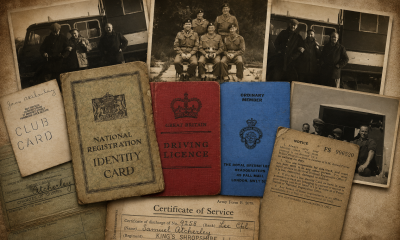
Forgotten wartime archive found in Pembroke Dock attic after 80 years
Remarkable family collection reveals story of father and son who served through two world wars A REMARKABLE untouched family archive...


Crime2 days ago
Milford Haven woman left with facial fractures after drunken attack
A WOMAN in her late fifties suffered facial fractures after being repeatedly punched through the window of her car during...


Crime2 days ago
Sex offender in senior role at Tenby family hotel
CREST HOTEL GROUP says it is investigating safeguarding concerns after staff at the Imperial Hotel in Tenby raised alarm over...


Sport3 days ago
Runners tackle new route in Ras Y Castell 10k
MORE than 90 runners took to the streets and paths around Cardigan on Friday evening (June 5) for the annual...
-
Crime5 days ago
Paddleboard company owner loses bid to cut sentence over Haverfordwest tragedy
-

 Crime4 days ago
Milford Haven man admits harassment and assault
-

 News4 days ago
Community appeal for privacy after serious emergency in Pendine
-
Crime2 days ago
Sex offender in senior role at Tenby family hotel
-
Community2 days ago
Forgotten wartime archive found in Pembroke Dock attic after 80 years
-
 Business4 days ago
Call for gym and Padel courts at Kiln Park Farm unanimously backed
-
Crime1 day ago
Families condemn failed appeal by paddleboard boss jailed over Haverfordwest tragedy
-

 Community4 days ago
Founders Day hailed a success despite rising costs and extra security