


Farming
David Cameron visits the Royal Welsh Show


 ON MONDAY 21 July PM David Cameron flew in to Llanelwedd to visit the Royal Welsh Show for the morning.
The first serving British Prime Minister to visit the show, Mr Cameron was greeted by the Honorary Show Director, Mr Harry Fetherstonhaugh and other dignitaries before being taken on a guided tour of the showground. Mr Cameron first called into the Welsh Government building to meet Rt Hon Carwyn Jones AM, First Minister and was then joined by Stephen Crabb MP, Secretary of State for Wales, where they proceeded to take in the sights of the show and stop for a chat with the personnel on the Armed Forces stand. Mr Cameron was then welcomed into the main ring where he had the chance to watch the some of the classes and meet the judges of the Welsh Cobs and Welsh Ponies. From there the party visited the cattle and sheep rings, stopping to talk to exhibitors along the way. The next stop was the food hall where Mr Cameron was able to meet the producers and sample some of the artisan Welsh produce on offer. Whilst at the show, Mr Cameron announced a potential £400m of new business for the British food industry as part of a Government plan aimed at supporting British businesses. With Environment Secretary Elizabeth Truss, Mr Cameron explained how from 2017, all of central government will commit to buying fresh and locally-sourced seasonal food. This will be made possible by a new food and drink buying standard, called The Plan for Public Procurement, which is targeted at helping thousands of British farmers, small businesses, rural economies and the British public. The morning visit was rounded off with Mr Cameron being presented with a hamper of delicious Welsh foods by Clive Alexander, Assistant Honorary Director “We are honoured and delighted that Mr Cameron has been able to visit what is considered to be the most iconic and prestigious agricultural show in Europe.” said Mr Featherstonhaugh “The first day of the show is always a busy one with visiting dignitaries from far and wide and it has been our pleasure to welcome Mr Cameron to the showground.”


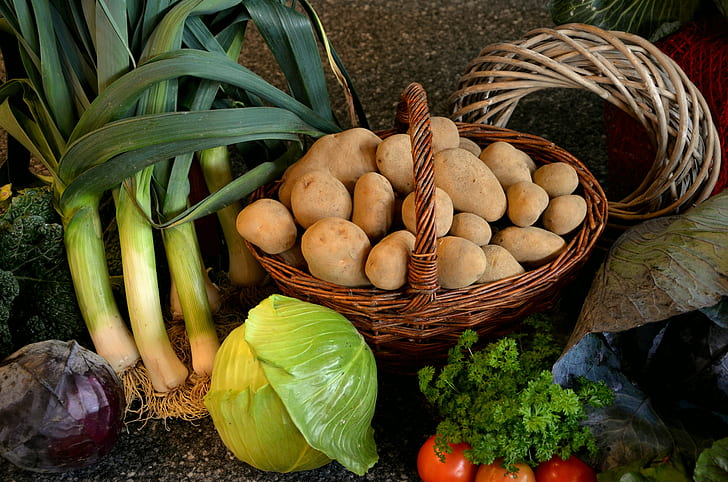
PLANS for a rural enterprise dwelling to support a Pembrokeshire horticultural business are being recommended for approval despite concerns from the local community council.
In an application recommended for approval at the April meeting of Pembrokeshire Coast National Park’s development management committee, Southern Roots Organics/Awen Organics, through agent Preseli Planning Ltd, seeks permission for a rural enterprise dwelling, track extension, and associated works at Eithin Farm, Felindre Farchog, near Nevern.
This application is being presented to the Development Management Committee as local community council Nevern has objected to the application raising material planning matters, contrary to the officer recommendation for approval.
An officer report says Eithin Farm comprises about 25 acres of agricultural land, with an additional seven acres to be rented by the applicants; the applicants running a horticultural business from the site, using multiple polytunnels and employing irrigation systems which require careful management.
The report says the business has been trading for over three years and can support a full-time worker, meeting criteria which addresses planning for sustainable rural communities. The proposal is said to meet these requirements, and the officer’s report confirms a genuine need for the dwelling.

Nevern, in its objection, said: “The living accommodation is supposed to be part of the business, it needs to be closer to the sheds, making the whole enterprise more aesthetically pleasing. The area designated for future seasonal agricultural workers would be an areas that would be more appropriate for a traditional cottage. A restriction on the house, a tied house needs to be considered.”
Objections to the plan have also been received from members of the public raising concerns including foul water disposal and the application “has nothing to do with the new current business”.
However, a number of representations have expressed support for the application. Issues raised include the benefit of applicants living on site, helping to reduce travel and carbon emissions, and confirming support for local, small-scale horticulture, and the contribution the business makes to the community.
The report says there is an identified need for a rural worker’s dwelling, especially due to the need to quickly respond to changes in crop conditions and potential failures in irrigation or ventilation systems.

It concludes: “The evidence submitted with this application, having been assessed by PCNPA’s Agricultural Advisors, is sufficient to demonstrate that an essential need exists for a rural enterprise dwelling, and that the proposal meets the tests set out in [policy].
“The siting and design of the dwelling are considered acceptable with no concerns in relation to landscape impact, amenity or biodiversity. Overall, the proposal is considered to be acceptable and a recommendation to grant permission is made.”
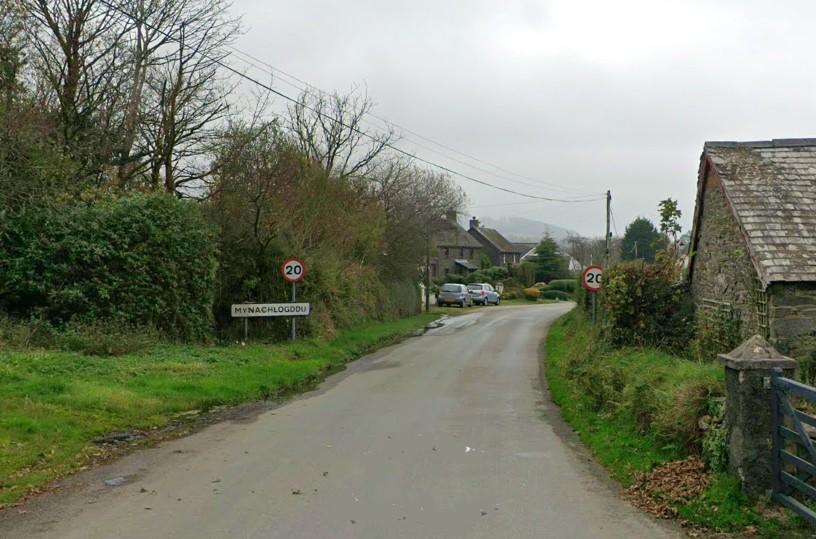
A CONDITION restricting a rural Pembrokeshire home to agricultural workers-only has been removed after its occupants lived in breach of that for some two decades.
In an application to Pembrokeshire Coast National Park, Richard Tadman and Rebecca Brinton, through agent Carver Knowles, sought a certificate of lawfulness for non-compliance of an agricultural/forestry occupancy condition for Brynmelyn, Mynachlogddu.
The condition restricting the occupancy was part of a consent for the farmhouse granted back in 1985.
An application for a certificate of lawfulness allows an applicant to stay at a development if they can provide proof of occupancy without any enforcement challenge over a prolonged period.
A supporting statement accompanying the application said evidence had been gathered to verify that since May 2006 the property has been occupied in breach of that condition, Ms Brinton purchasing the property that year, with Mr Tadman living there until 2022 and Ms Brinton continuing to do so.

When Mr Tadman was living at Brynmelyn he was self-employed as a mechanic, and Ms Brinton has not worked in agriculture or forestry, other than the couple keeping a few animals including chickens, ducks, turkeys, and pigs for a short period from 2008 until 2010 when the pigs had to be culled following a TB outbreak, the poultry succumbing to foxes.
The statement said council tax payment records to Pembrokeshire County Council showed the occupancy from 2006, adding that many of the previous owners apart from the original has not got an agricultural worker connection either,
An officer report recommending approval, which led to the issuing of a certificate of lawfulness, said: “The occupation of Brynmelyn of persons not employed in agriculture or forestry has been continuous for a period in excess of 10 years. It therefore represents a use unauthorised by the Town and Country Planning Act 1990.
“The use of the dwelling exceeds the time limit for the Local Planning Authority to take any enforcement action, in accordance with Town and Country Planning Act 1990 (as amended) and / or the preceding Town and Country Planning Act 1971. This authority considers that a Lawful Development Certificate can be issued.”
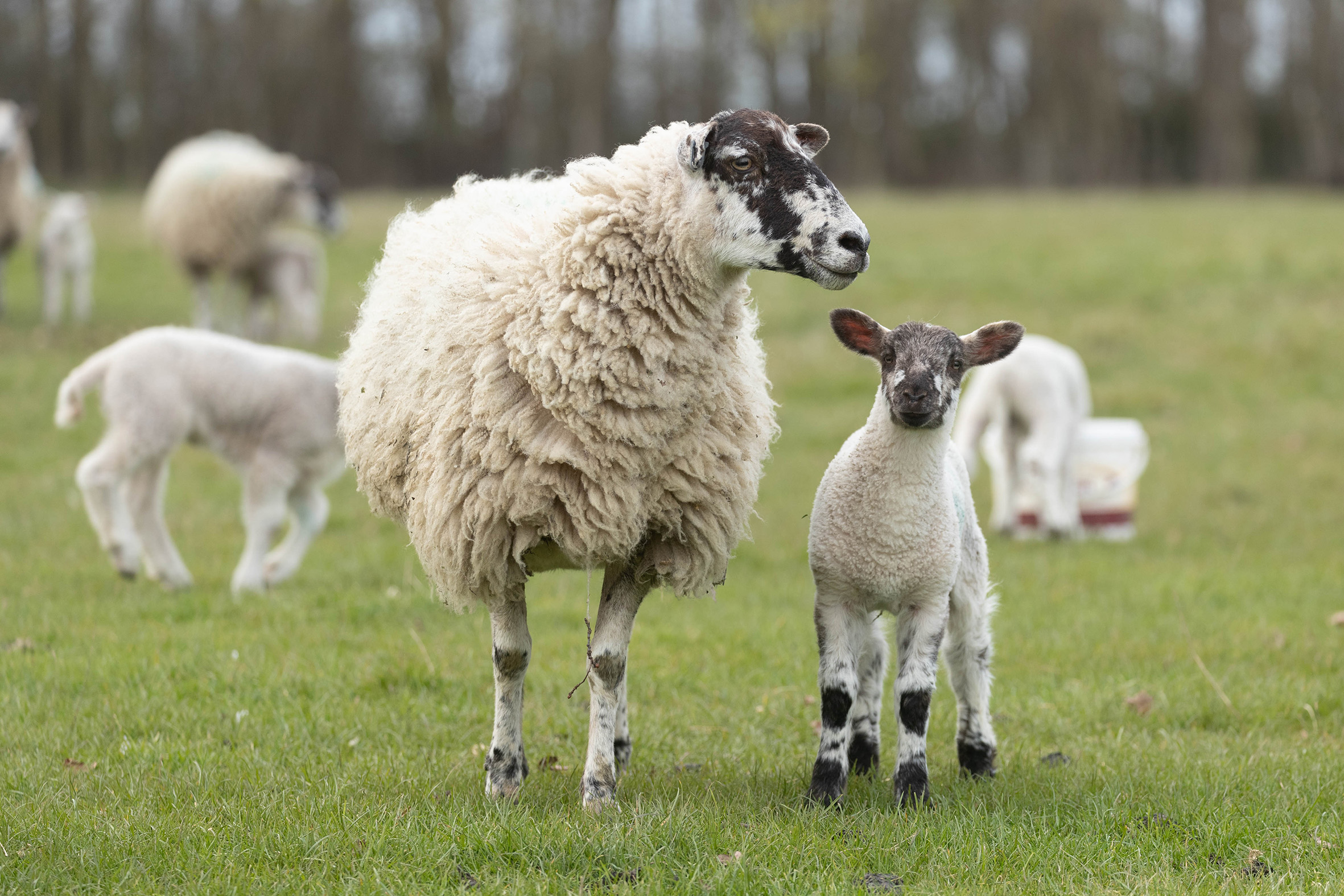
SHEEP farmers in Wales are being urged to pay close attention to the mineral and trace element supplementation of lactating ewes and lambs this spring and summer following what has been described as a “perfect storm” of nutritional challenges over the winter.
The warning comes from Rumenco’s Technical Services Manager, Dr Alison Bond, who said a combination of forage shortages, heavy rainfall and the increased use of brassica forage crops may have left some flocks at risk of underlying deficiencies.
She said that although sheep may not always show obvious outward signs, deficits in minerals and trace elements can still affect key areas of flock performance, including ewe milk production, lamb growth rates and the future condition of breeding ewes.
Dr Bond said: “Many sheep farms will have endured unprecedented conditions over recent months, with forage supplies depleted after a dry summer.
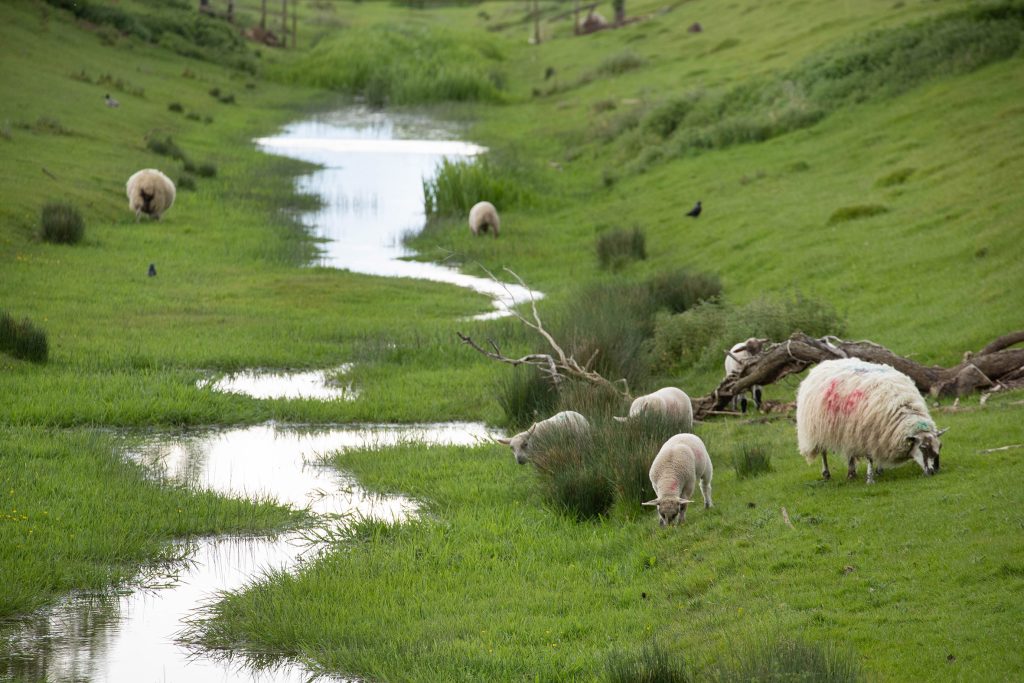
“This may have resulted in lower quality fodder being fed, or greater reliance on grazed fodder crops, for example. In the case of brassicas, which include swedes, turnips and forage rape, there are specific issues around iodine, vitamin B1 and other trace minerals, including copper, selenium and cobalt, that could present risks.”
She added that heavy winter rainfall in many areas is also likely to have increased soil nutrient leaching, particularly on lighter land, raising the risk of mineral deficiencies in early season grazing.
To help address the problem, Dr Bond is recommending that ewes and lambs at grass are supplemented with a high-quality mineral and trace element lick.
She said mineral buckets can provide an efficient method of supplementation and pointed to Rumenco’s Supalyx 4 in 1 bucket as one option designed to cover a broad range of potential deficiencies.
According to Dr Bond, the product includes plant essential oils intended to stimulate appetite and support gut health, alongside trace elements such as zinc and selenium in a bio-available form to help support hoof health, udder health and immune function.

She also highlighted the importance of vitamins, including vitamin B12 to support growth rates where pastures may be low in cobalt, and vitamin B1, or thiamine, which is particularly relevant where sheep have been grazed on brassicas.
Dr Bond explained: “Brassicas can cause shifts in the rumen bacteria environment which may affect the natural production of thiamine by the rumen.
“Furthermore, certain brassica crops can lead to the production of thiaminase which can destroy thiamine, leading to a deficiency. Vitamin B1 deficiency causes a condition called Cerebrocortical Necrosis, with common symptoms including blindness, head pressing and stargazing, something most farmers will have seen at some point.”

She said brassicas can also create problems with iodine absorption.
“Brassicas also contain glucosinolates, which are converted by hydrolysis into goitrogens in the rumen,” she said. “Goitrogens interfere with iodine absorption, which commonly results in the disruption of thyroid function. This is a cause of the condition goitre in sheep, which shows as a swelling of the thyroid gland.”
Dr Bond said adequate supplementation should not be viewed simply as a short-term measure, but as an investment in flock health and future performance.
“With market prices forecast to remain strong for the foreseeable future, ensuring that the flock avoids the effects of mineral and trace element deficiencies should help to prevent in-season health and performance problems,” she said.
“It will also give lambs the best chance of reaching their full potential as quickly as possible. Equally importantly, it will have a positive impact on the condition of ewes, which should ideally not lose more than 0.5 body condition score during lactation.
“Keeping ewes in good condition during lactation is the first step towards a successful tupping later in the year and a healthy lamb crop in 2027.”
Images supplied with the article are copyright Tim Scrivener, Agriphoto, and are for use only in connection with this story.
If you want, I can also turn this into a more natural Herald-style farming piece with a stronger intro and less promotional wording.


Business7 hours ago
Tenby harbour RNLI building takeaway allowed after appeal
A REFUSED scheme for a takeaway food kiosk at a former lifeboat store in Tenby’s seaside harbour, has now been...


Community17 hours ago
Family safe after major house fire in Letterston, community told
Memorial hall opened to help those affected after blaze in Station Road area A FAMILY escaped without injury after a...


News21 hours ago
Haverfordwest County AFC escapes winding-up order but ordered to pay costs
Club avoided liquidation in case remained live until it came before a judge at the High Court in London A...

News21 hours ago
Seal pup’s 120km swim ends in rescue and release
Young grey seal found weak at St Brides Bay after remarkable journey from Cornwall is now back in the wild...


Crime22 hours ago
Woman who called for help spared jail over blade offence
Court hears Haverfordwest defendant was in severe mental distress and carrying razors to harm herself A HAVERFORDWEST woman who contacted...


Community1 day ago
Spitfire latest: Pembrokeshire flypast looks more likely this afternoon
THE LATEST public updates suggest the iconic Spitfire is now expected to leave RAF Valley at around 2:00pm today (Apr...


Crime2 days ago
Romino’s licence revoked after illegal workers found and fire risks exposed
Takeaway in Cardigan ordered to shut by 11:00pm after council hearing backed by immigration officials, police and fire service A...


Crime3 days ago
British Transport Police widens Tenby stabbing inquiry as five arrested
Extra patrols in town as police continue hunt for answers after shocking railway station violence BRITISH TRANSPORT POLICE say their...


News3 days ago
Person taken to hospital after emergency response in Milford Haven
Police say incident began in Hakin before multi-agency search at marina A PERSON was taken to hospital after a major...


Charity3 days ago
Greenacres warns it may have to shut doors to new animals over £24,000 vet bill
Pembrokeshire sanctuary says it is at breaking point and fears devastating consequences if urgent public appeal fails GREENACRES RESCUE has...
-

 Business2 days ago
A proper Pembroke local: Inside the warm welcome of The Old Cross Saws Inn
-

 Community7 days ago
Police intervene after post raises fears of planned Pembroke Dock fight
-
 Crime7 days ago
Man arrested after alleged child sexual assault in Haverfordwest
-

 News7 days ago
Party leaders on the spot in BBC programme live from Pembrokeshire College
-

 Crime4 days ago
Over 500 arrests at latest Palestine Action protest in London
-

 Sport3 days ago
Grand Slam win for Pembrokeshire rugby ace
-

 News7 days ago
BBC brings election debate to Pembrokeshire College
-

 Charity7 days ago
Drive care forward: Help keep end-of-life care moving in Pembrokeshire
KevinSof
March 17, 2026 at 1:58 pm
The method used to isolate CBD [url=https://www.cornbreadhemp.com/pages/where-to-buy-thc-seltzers-near-me ]Where to buy THC seltzers near me?[/url] from hemp substantially impacts the finished product’s potency. CO2 extraction is broadly regarded as the gold standard because it preserves valuable compounds without adding unwanted solvents. Reliable brands openly share their extraction processes alongside third-party lab certificates. Educated shoppers who understand these differences make smarter purchasing calls.